


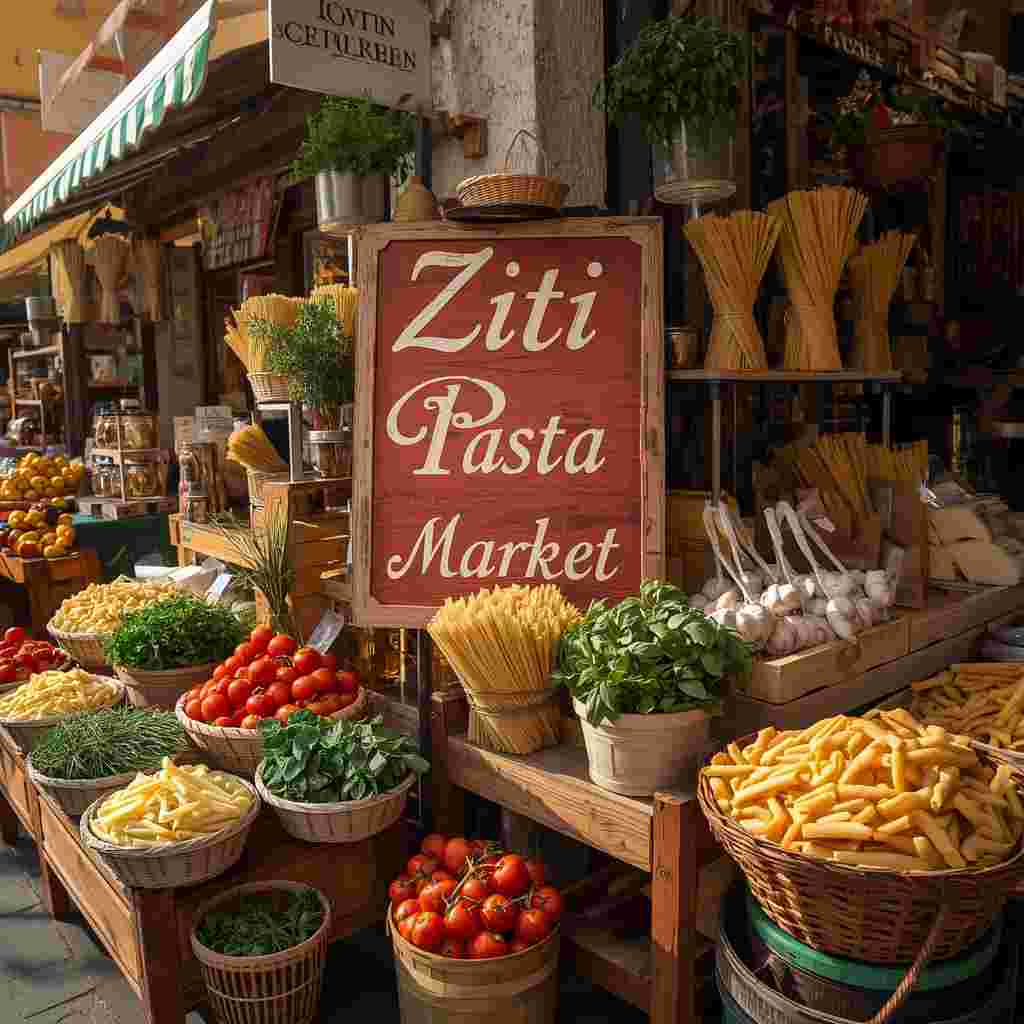
The Ziti Pasta Market represents an important category within the global pasta and packaged food industry. Ziti pasta is recognized for its tubular shape, smooth texture, and ability to complement different sauces and ingredients. It is widely used in traditional Italian-inspired recipes, baked pasta dishes, restaurant meals, and homemade food preparations. Its versatility makes it suitable for household consumption as well as commercial foodservice applications.
The growing interest in tubular pasta market trends reflects changing food preferences and the popularity of convenient pasta products. Consumers appreciate pasta varieties that can be incorporated into different recipes while offering flexibility in preparation. Ziti pasta provides opportunities for manufacturers to serve customers interested in traditional dishes, contemporary recipes, and convenient meal solutions.
Changing Consumer Preferences in the Pasta Industry
Consumer preferences play an important role in shaping the Ziti Pasta Market. Modern households are exploring different pasta varieties to create meals that combine convenience, flavor, and versatility.
Ziti pasta is particularly suitable for baked preparations because its tubular structure works well with sauces, cheese, vegetables, and other ingredients. It can also be used in traditional pasta recipes and customized dishes.
Consumers increasingly appreciate products that simplify everyday cooking. Packaged dry pasta offers convenient storage and can be prepared according to different household preferences.
Taste, texture, cooking consistency, and ingredient quality are important considerations when consumers select pasta products. Manufacturers must understand these expectations to develop products that appeal to different customer groups.
Product Innovation and Pasta Varieties
Product innovation creates opportunities for manufacturers to differentiate their offerings. Although traditional wheat-based ziti remains a familiar option, businesses can explore alternative formulations and specialty varieties.
Whole wheat ziti is an option for consumers interested in different grain ingredients. Mixed-grain formulations provide additional opportunities for product development and diversification.
Manufacturers can also explore organic ingredients, specialty flour combinations, and pasta products designed for particular dietary preferences.
Product development requires attention to texture, cooking performance, appearance, and consistency. New formulations should provide a satisfying cooking experience while maintaining the characteristics consumers expect from pasta.
Offering different varieties can help brands attract new customers and strengthen their position in the competitive packaged food industry.
Importance of Ingredient Quality
Ingredient quality is an important consideration in ziti pasta manufacturing. Wheat flour and other grain ingredients influence the structure, appearance, and cooking characteristics of the finished product.
Manufacturers must carefully manage ingredient selection and processing procedures to maintain consistency.
Consumers may also examine product labels to understand the ingredients used in packaged pasta. Clear product information can help customers compare available options and identify products that match their preferences.
Businesses that prioritize ingredient quality and transparent labeling can develop stronger relationships with retailers and consumers.
Packaging and Product Presentation
Packaging contributes to product protection, storage convenience, and retail presentation.
Ziti pasta is commonly offered in packaged formats that allow consumers to store the product and use it according to their cooking requirements.
Manufacturers can explore packaging designs that improve convenience while communicating product characteristics clearly.
Transparent packaging can help customers recognize pasta shapes, while informative labels can provide cooking instructions, ingredient details, and preparation suggestions.
Sustainable packaging is another consideration for manufacturers seeking to improve their product presentation and environmental practices.
Retail Distribution and Market Accessibility
Supermarkets, grocery stores, specialty food retailers, and online shopping platforms provide important distribution opportunities for ziti pasta manufacturers.
Physical stores allow customers to compare different pasta varieties, brands, packaging, and ingredients.
Product placement is important because shoppers often explore pasta options while purchasing sauces, cheese, vegetables, and other meal ingredients.
Online retail provides additional convenience by allowing consumers to browse packaged pasta products and purchase groceries digitally.
Manufacturers can strengthen their retail presence by developing distributor relationships and maintaining consistent product availability.
Foodservice and Restaurant Applications
Restaurants, cafés, catering businesses, and commercial kitchens represent important customers for ziti pasta suppliers.
Ziti is suitable for baked pasta dishes, tomato-based preparations, creamy sauces, vegetable combinations, and cheese-based recipes.
Restaurants can incorporate it into traditional menu offerings while experimenting with different ingredients and culinary styles.
Foodservice customers generally prioritize consistent cooking quality, convenient packaging, and dependable product availability.
Manufacturers can serve this segment through suitable commercial packaging and reliable distribution arrangements.
Competitive Landscape and Business Opportunities
Competition within the pasta industry encourages manufacturers to focus on product differentiation, quality, and brand recognition.
Businesses can strengthen their market positioning through specialty ingredients, alternative grain formulations, attractive packaging, and effective retail distribution.
Understanding regional food preferences can also help manufacturers develop products that suit different culinary traditions.
Collaboration with distributors, supermarkets, restaurants, and foodservice operators can create additional business opportunities.
Future Outlook
The Ziti Pasta Market offers opportunities across packaged food manufacturing, retail distribution, and foodservice applications.
Product innovation, ingredient quality, packaging development, and changing consumer preferences will remain important considerations for businesses.
Manufacturers that combine traditional pasta appeal with convenient product formats and diversified offerings can strengthen their position in the food industry.
Frequently Asked Questions
Q1. What is ziti pasta commonly used for?
Ziti pasta is commonly used in baked pasta dishes, tomato-based recipes, cheese preparations, creamy sauces, vegetable combinations, and restaurant meals.
Q2. What factors influence the Ziti Pasta Market?
Consumer preferences, ingredient quality, product innovation, packaging, retail distribution, restaurant demand, and changing food habits influence the market.

 Arabic
 French
 Spanish
 Portuguese
 Deutsch
 Turkish
 Dutch
 Italiano
 Russian
 Romaian
 Portuguese (Brazil)
 Greek