


Introduction
Dihydrocodeine 30mg is an opioid pain-relieving medicine prescribed in the UK for the management of moderate to severe pain when other pain-relief options may not provide sufficient benefit. It belongs to the opioid family of medicines and works by changing how the brain and nervous system respond to pain signals. Although it can provide effective short-term relief, it also carries important risks, including drowsiness, constipation, tolerance, physical dependence, and potentially dangerous breathing difficulties.
Understanding how dihydrocodeine works, when it may be prescribed, and what precautions are necessary can help patients make informed decisions about their treatment. This guide explores its medical uses, potential side effects, dependence risks, drug interactions, and the importance of responsible medication management.
What Is Dihydrocodeine 30mg?
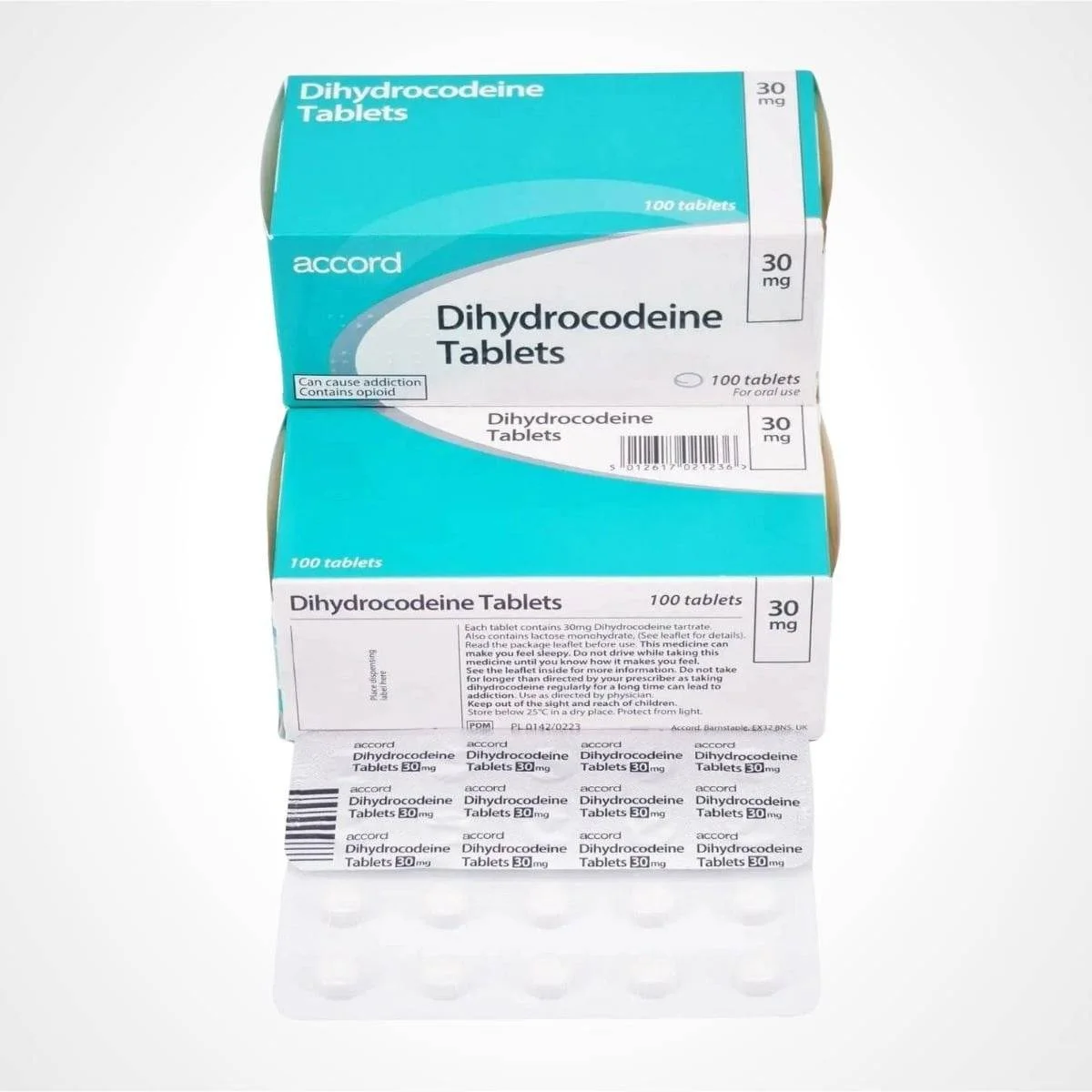
Dihydrocodeine is a prescription opioid analgesic used to relieve pain. The 30mg tablet is one of its available strengths and should only be taken according to the instructions provided by a qualified healthcare professional.
The medicine acts on opioid receptors in the central nervous system, reducing the intensity of pain signals experienced by the body. It may be prescribed for certain injuries, postoperative discomfort, and other painful conditions where an opioid is considered appropriate.
Dihydrocodeine is not suitable for every patient. A healthcare professional must consider an individual's medical history, current medicines, age, and potential risk factors before prescribing it.
Medical Uses and Pain Management
Pain can affect mobility, sleep, concentration, emotional wellbeing, and everyday activities. Effective pain management therefore requires an approach that addresses both the underlying cause and the patient's symptoms.
Dihydrocodeine may be considered when moderate or severe pain cannot be adequately controlled using less potent treatments. Depending on the circumstances, doctors may prescribe it for:
-
Pain following certain surgical procedures.
-
Moderate to severe injury-related pain.
-
Certain musculoskeletal conditions.
-
Pain associated with other medical conditions.
-
Situations where alternative analgesics have not provided adequate relief.
Opioid medicines are generally most appropriate when there is a clear clinical reason for their use. They are not necessarily the best choice for long-term pain, and treatment should be reviewed regularly to determine whether continued use remains beneficial.
How Dihydrocodeine Works
Dihydrocodeine works by interacting with opioid receptors in the brain and spinal cord. These receptors influence how the nervous system processes pain signals.
When the medicine activates these receptors, the perception of pain can decrease. Patients may consequently find certain activities more manageable while receiving treatment.
However, the same action can also affect other important bodily functions. Opioid receptors are involved in breathing, digestion, and alertness. This explains why dihydrocodeine can cause side effects such as constipation, sleepiness, and respiratory depression.
The effects and duration of treatment can vary between individuals. Patients should never increase their dose independently or take additional tablets because they feel that the medicine is not providing sufficient relief.
Recommended Use and Dosage Considerations
Buy Dihydrocodeine 30mg Pills Online should only be used when prescribed by an authorised healthcare professional. The appropriate dose depends on the patient's condition, medical history, response to treatment, and the specific formulation supplied.
Patients should follow the prescription label and the accompanying patient information leaflet. Important precautions include:
-
Never take more than the prescribed amount.
-
Do not take additional tablets to compensate for a missed dose.
-
Avoid changing the frequency of treatment without medical advice.
-
Do not share prescribed medication with another person.
-
Ask a pharmacist before crushing, splitting, or altering tablets.
-
Seek medical advice if pain remains uncontrolled.
Some dihydrocodeine products are immediate-release, while others are prolonged-release formulations. Their instructions are not interchangeable. Patients should check the packaging carefully and ask a pharmacist if anything is unclear.
NHS+1
Understanding Dependence and Addiction Risks
One of the most important considerations associated with dihydrocodeine is its potential to cause dependence and addiction.
Tolerance occurs when the body becomes accustomed to a medicine and its effects may become less noticeable over time. A person may feel that the original treatment is no longer providing the same level of relief.
Physical dependence develops when the body adapts to regular opioid exposure. If treatment is stopped suddenly, withdrawal symptoms may occur.
Addiction involves difficulty controlling medicine use despite harmful consequences. It may include cravings, taking more than prescribed, or continuing treatment for reasons other than its intended medical purpose.
Signs that someone may be developing a problem include:
-
Feeling unable to manage without the medicine.
-
Taking more tablets than prescribed.
-
Frequently requesting early prescriptions.
-
Continuing treatment despite significant side effects.
-
Experiencing withdrawal symptoms when a dose is missed.
These problems can develop even when medication initially began as legitimate medical treatment. Patients who have concerns should speak openly with their doctor rather than attempting to manage the situation alone.
The UK Medicines and Healthcare products Regulatory Agency (MHRA) highlights the increased risks associated with prolonged opioid treatment, particularly for non-cancer pain.
GOV.UK+1
Common Side Effects
Like other opioid medicines, dihydrocodeine can cause unwanted effects. Their severity varies depending on the individual, treatment duration, and other medicines being used.
Common side effects include:
-
Constipation: Opioids can slow bowel movements, making stools harder to pass.
-
Nausea: Some patients experience an unsettled stomach, particularly when beginning treatment.
-
Vomiting: This may occur alongside nausea.
-
Drowsiness: Reduced alertness can affect concentration and daily activities.
-
Dry mouth: Patients may experience an uncomfortable dry sensation.
-
Headaches: Some individuals report headaches during treatment.
-
Dizziness: Light-headedness may occur, especially when standing up.
Patients should discuss persistent or troublesome symptoms with a pharmacist or doctor. Drinking sufficient water, maintaining suitable dietary fibre intake, and following professional advice may help manage certain effects, particularly constipation.
Drowsiness and dizziness require particular attention because they can increase the risk of falls and accidents.
NHS+1
Serious Side Effects and Medical Warnings
Although serious reactions are less common, patients should understand the warning signs.
The most significant danger associated with opioid medicines is respiratory depression, which means breathing becomes unusually slow, weak, or shallow.
Other potentially serious reactions include severe allergic responses, significant confusion, fainting, and unusually low blood pressure.
Emergency warning
Call 999 immediately if someone taking dihydrocodeine develops severe breathing difficulties, becomes unconscious, or cannot be properly woken. These symptoms may indicate a life-threatening opioid reaction.
Do not wait for symptoms to improve without medical assistance.
Drug Interactions and Alcohol Precautions
Dihydrocodeine can interact with other medicines and substances, potentially increasing side effects or creating serious health risks.
Particular care is needed with:
-
Benzodiazepines: Medicines such as diazepam and alprazolam can increase sedation and breathing-related risks.
-
Sleeping tablets: Sedative medicines may intensify drowsiness and respiratory depression.
-
Other opioids: Combining opioid painkillers can increase the risk of overdose.
-
Sedating antihistamines: Certain allergy medicines can increase sleepiness.
-
Some antidepressants: Particular medicines may affect safety or increase adverse effects.
Alcohol should be avoided during treatment because it can intensify the sedative effects of dihydrocodeine.
Patients should provide their healthcare professional with a complete list of prescription medicines, non-prescription products, supplements, and herbal remedies before starting treatment.
NHS+1
Who Should Exercise Extra Caution?
Dihydrocodeine may not be appropriate for everyone. Certain health conditions can increase the likelihood of complications.
Patients should discuss their medical history with a healthcare professional if they have:
-
Asthma or other respiratory conditions.
-
Chronic obstructive pulmonary disease (COPD).
-
Sleep apnoea.
-
Liver or kidney impairment.
-
Thyroid disorders.
-
Previous problems with opioid dependence.
-
A history of alcohol or substance misuse.
-
Head injuries or conditions affecting consciousness.
Older adults may also require additional assessment because they can be more sensitive to sedating medicines and their effects.
Pregnant or breastfeeding patients should seek individual medical advice before using dihydrocodeine. The potential benefits and risks must be considered carefully.
NHS+1
Safe Discontinuation and Withdrawal Symptoms
Patients who have taken dihydrocodeine regularly for an extended period should not stop treatment suddenly without medical guidance.
The body may have become physically dependent on the medicine, and abrupt discontinuation can cause withdrawal symptoms.
Possible symptoms include:
-
Anxiety and restlessness.
-
Sweating and chills.
-
Muscle aches.
-
Difficulty sleeping.
-
Nausea and stomach discomfort.
-
Diarrhoea.
-
Irritability and mood changes.
A healthcare professional may recommend gradually reducing the dose over an appropriate period. The reduction schedule depends on treatment duration, the amount taken, and the patient's individual circumstances.
Patients should seek professional support if they are struggling to reduce their medication or experiencing withdrawal symptoms.
NHS+1
Alternatives and Additional Pain Management Options
Dihydrocodeine is only one possible component of a wider pain-management plan. Depending on the cause and severity of pain, healthcare professionals may recommend alternative treatments.
These can include:
-
Paracetamol for suitable types of pain.
-
Anti-inflammatory medicines when medically appropriate.
-
Physiotherapy for certain musculoskeletal conditions.
-
Gentle physical activity and rehabilitation.
-
Psychological approaches for managing persistent pain.
-
Specialist pain-management services for complex conditions.
Non-opioid treatments may reduce the need for prolonged opioid exposure. However, the most appropriate approach depends on the underlying medical condition and individual circumstances.
Patients should not replace prescribed treatment with another medicine without consulting a healthcare professional.
Storage and Responsible Medication Management
Proper storage is important for preventing accidental exposure, misuse, and medication-related harm.
Dihydrocodeine should be kept in its original packaging, stored according to the manufacturer's instructions, and placed somewhere children and other household members cannot access it.
Patients should also:
-
Keep track of their prescribed medication.
-
Never share tablets with friends or family.
-
Avoid keeping unnecessary supplies.
-
Return unwanted or expired medicines to a pharmacy for safe disposal.
-
Follow the prescription and patient information leaflet.
These precautions help reduce the possibility of accidental ingestion and inappropriate medication use.
Conclusion
Dihydrocodeine 30mg is an opioid painkiller that can have an important role in managing moderate to severe pain when prescribed appropriately. However, its benefits must always be considered alongside potential side effects, drug interactions, respiratory complications, tolerance, and dependence.
Responsible treatment involves following professional instructions, avoiding alcohol and unsafe medicine combinations, attending medication reviews, and recognising warning signs of addiction or overdose. Patients should also understand that long-term opioid use requires careful monitoring and may need a gradual reduction plan.
Dihydrocodeine is a prescription-only medicine in the UK and should only be obtained through legitimate, regulated healthcare channels following an appropriate medical assessment. Buying prescription opioids from unverified online sellers can expose patients to counterfeit or unsafe products.
Ultimately, informed decisions, regular medical supervision, and an individualised pain-management strategy are essential for reducing risks and supporting better treatment outcomes.

 English
 Arabic
 French
 Spanish
 Portuguese
 Deutsch
 Turkish
 Dutch
 Italiano
 Romaian
 Portuguese (Brazil)
 Greek