


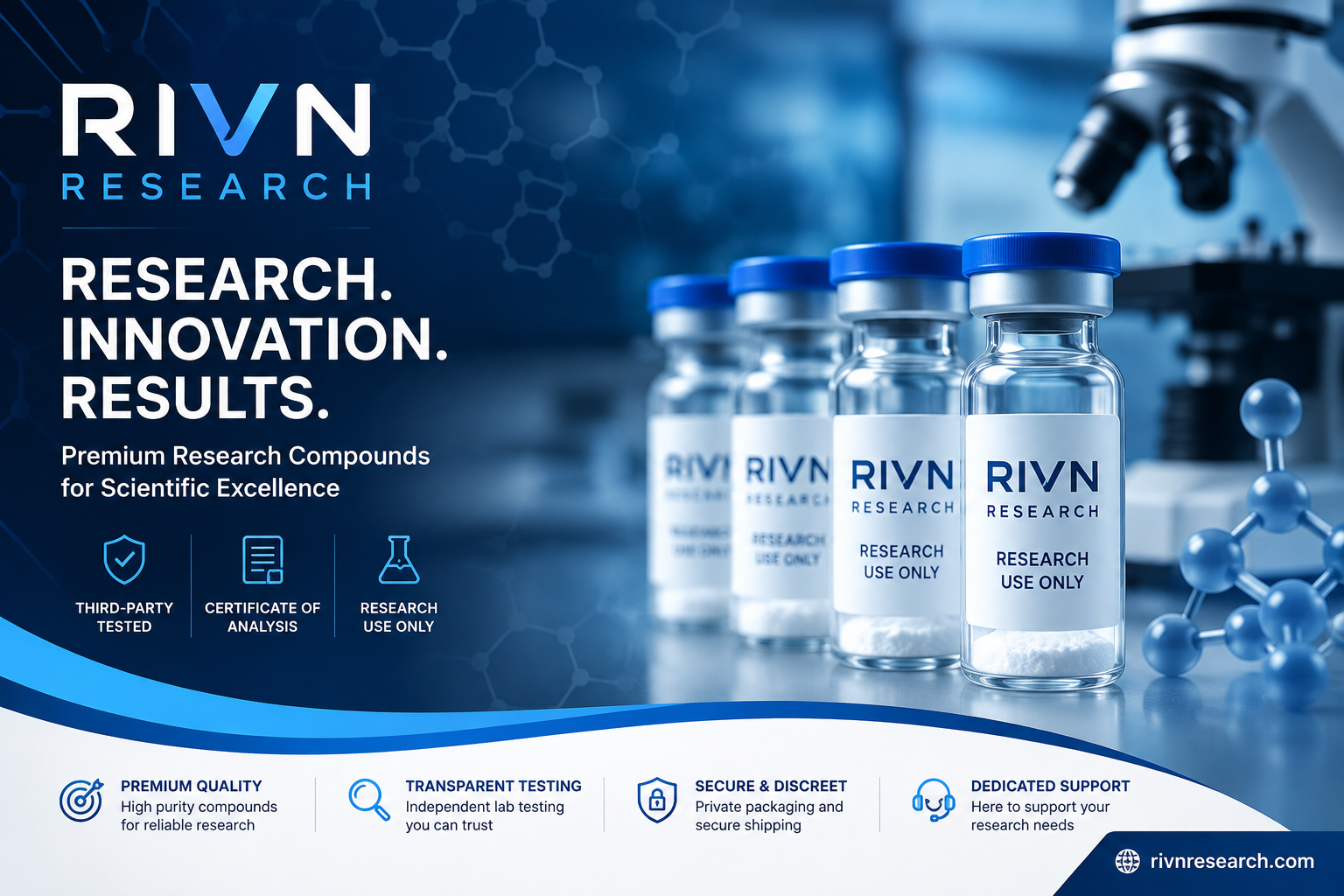
Laboratory research depends on accurate materials, reliable documentation, and consistent quality standards. Whether conducting analytical investigations or studying chemical properties, researchers need a clear understanding of the materials used in their work. This makes the evaluation of Premium Laboratory Chemicals an important part of maintaining organized and reproducible research practices.
Premium quality in a laboratory setting is not simply a marketing description. It should be supported by appropriate testing, transparent specifications, traceability, and documentation.
What Defines Premium Laboratory Chemicals?
Laboratory chemicals are used across a wide range of scientific disciplines, including analytical chemistry, materials science, and academic research. Their suitability depends on the requirements of a particular investigation.
Several factors contribute to a meaningful quality assessment:
-
Purity specifications: Documented information about the composition of a chemical material.
-
Identity verification: Analytical evidence supporting the stated chemical identity.
-
Batch consistency: Records that help researchers compare materials from different production batches.
-
Traceability: Clear identification of batches, manufacturing details, and relevant documentation.
-
Storage information: Appropriate handling and storage instructions based on the material's characteristics.
These factors help establish a more transparent approach to laboratory material evaluation.
The Importance of Analytical Testing
Analytical testing provides scientific information about the identity, composition, and characteristics of laboratory chemicals. Different testing methods are selected according to the substance and the purpose of the analysis.
High-Performance Liquid Chromatography (HPLC)
HPLC is commonly used to separate components within a sample. It can help researchers evaluate chromatographic purity and identify certain impurities under defined analytical conditions.
Mass Spectrometry
Mass spectrometry measures the mass-to-charge ratio of ions. It can support molecular identification and provide information about the molecular characteristics of a sample.
Nuclear Magnetic Resonance (NMR)
NMR spectroscopy provides information about molecular structure and chemical environments. It is widely used in chemical characterization and structural investigations.
Each technique has specific capabilities and limitations. Combining suitable analytical methods can provide a more complete understanding than relying on a single test result.
Why Certificates of Analysis Matter
A Certificate of Analysis (COA) is an important quality-documentation resource. It records analytical information associated with a particular material or batch.
When reviewing a COA, researchers should look for:
-
Chemical or compound identification.
-
Batch or lot number.
-
Testing date.
-
Analytical methods used.
-
Reported test results.
-
Laboratory identification.
-
Relevant specifications and limitations.
A batch-specific COA offers more meaningful information than a generic quality statement. Researchers should also understand that a reported purity value does not independently establish every aspect of material quality.
Consistency and Traceability in Scientific Research
Reproducibility is a central principle of scientific investigation. Variations in material composition can introduce additional variables and affect the interpretation of experimental results.
Traceability helps researchers connect laboratory materials with their associated documentation. Clear batch identification, consistent labeling, and accessible analytical records make it easier to review the materials involved in a research project.
Good documentation practices also support accountability and help laboratories maintain organized records throughout their research activities.
Selecting Laboratory Chemicals Responsibly
Evaluating laboratory chemicals requires more than comparing product descriptions. Researchers should consider the intended research application, documented specifications, analytical evidence, and relevant safety information.
A responsible evaluation process includes:
-
Reviewing available technical documentation.
-
Checking whether analytical claims are supported by appropriate testing.
-
Confirming batch identification and traceability.
-
Reviewing applicable safety data sheets (SDS).
-
Following institutional procedures and relevant regulations.
Laboratory chemicals should only be handled by appropriately trained personnel using suitable facilities and safety procedures. Research-use-only materials are not intended for human or veterinary use.
Exploring Research Resources at RIVN Research
Access to clear product information and quality documentation can help researchers make informed decisions about laboratory materials. RIVN Research provides an online platform featuring research-focused compounds and related product information.
Visit RIVN Research to explore the website and review its available research resources.
Conclusion
Premium laboratory chemicals should be evaluated through documented specifications, appropriate analytical testing, batch traceability, and transparent quality information. Methods such as HPLC, mass spectrometry, and NMR contribute valuable evidence when assessing chemical materials.
By prioritizing documentation and responsible laboratory practices, researchers can establish a stronger foundation for accurate, organized, and reproducible scientific investigations.
For laboratory research purposes only. Not intended for human or veterinary use.

 Arabic
 French
 Spanish
 Portuguese
 Deutsch
 Turkish
 Dutch
 Italiano
 Russian
 Romaian
 Portuguese (Brazil)
 Greek