


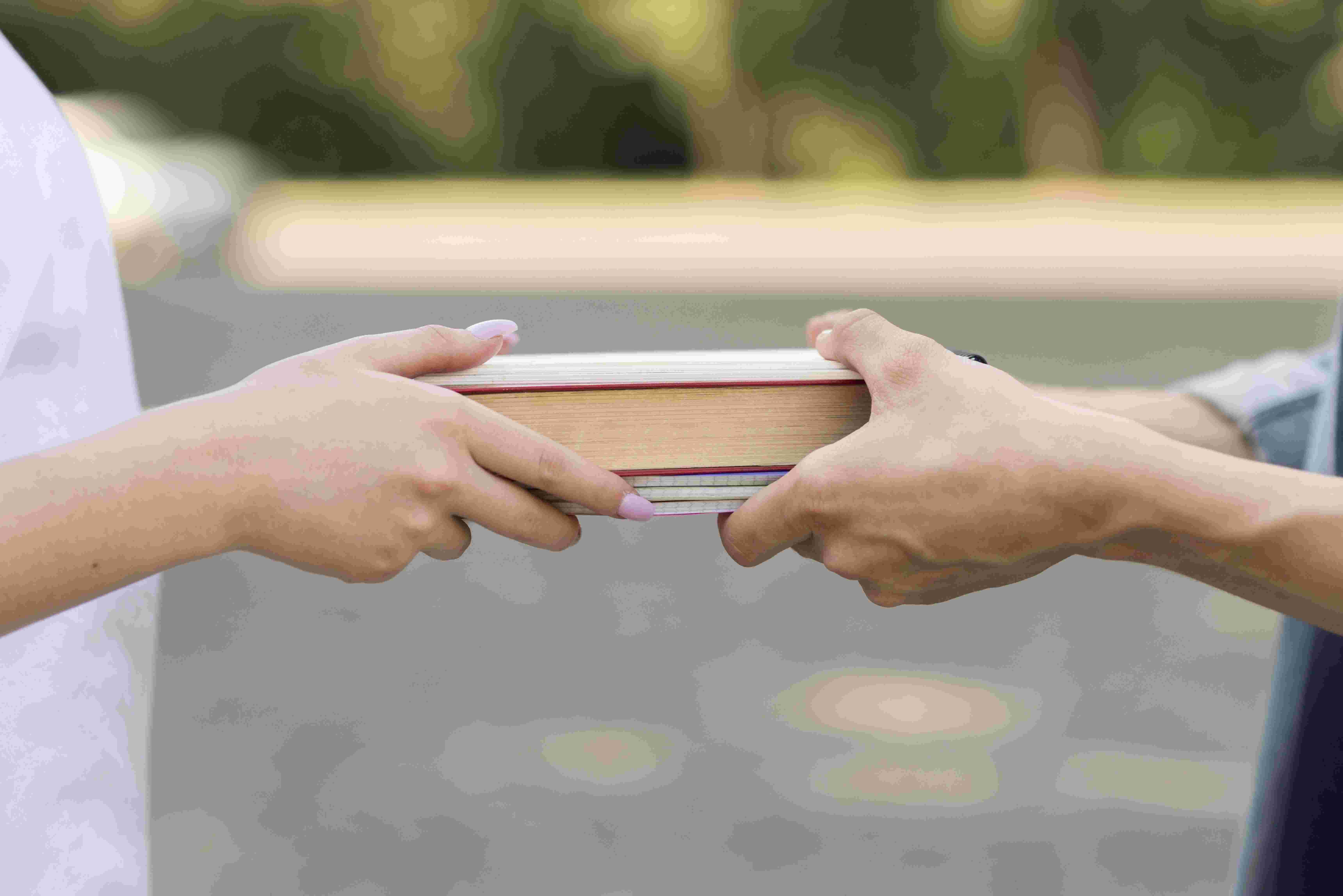
Walk into almost any middle-class home, and a familiar sight greets you. Cardboard boxes sit tucked away in storage closets, overflowing with last year’s school textbooks, children’s storybooks, and classic novels gathering dust. While those pages sit untouched on dark shelves, millions of kids in underfunded districts walk into empty classrooms every morning without a single storybook to hold. The contrast is striking. A simple collection of printed pages that feels like clutter in one house represents a passport to a completely different future in another.
When families decide to donate books to charity, they bridge a massive educational divide without spending an extra dime on new supplies. Literacy starts with access. A child cannot fall in love with reading if they never get the chance to flip through vibrant illustrations or practice sounding out new sentences at home. Communities across the region are realizing that clearing out household bookshelves is one of the fastest, most practical ways to fuel grassroots learning.
Why Access To Physical Books Still Matters Deeply
Digital screens dominate modern city life, making it easy to assume that printed paper is becoming obsolete. Yet, in rural and low-income neighborhoods, reliable internet and personal tablets remain distant luxuries. For a child growing up in a village without stable electricity, a physical book is an unstoppable learning tool. It never runs out of battery. It requires zero Wi-Fi connection.
Educational researchers consistently highlight the cognitive power of physical reading. Recent global literacy assessments show that households with access to even twenty age-appropriate books see children achieve significantly higher reading comprehension scores than peers in bookless homes.
-
Vocabulary Expansion: Exposure to diverse stories introduces kids to complex words and sentence structures they rarely hear in daily conversation.
-
Screen-Free Focus: Holding a paperback builds deep attention spans and patience, helping young minds process big ideas calmly.
-
Family Bonding: Picture books invite older siblings and parents to read aloud together, turning an ordinary evening into a shared learning session.
-
Emotional Empathy: Stepping into the shoes of different characters teaches children compassion, problem-solving, and curiosity about the wider world.
When community centers stock their shelves with engaging reading material, local kids stop viewing school as a boring chore and start treating the library corner like a treasure chest.
How To Sort And Prepare Your Home Collection
Before packing up boxes, taking a quick afternoon to organize your collection ensures that field teams can distribute the materials rapidly. Think about the student sitting on the receiving end. Clean, intact pages show respect and make a child feel genuinely valued.
When people prepare to donate your books, following a simple sorting routine makes all the difference for grassroots educators:
-
Check Condition: Set aside volumes with missing chapters, heavy water damage, or scribbled-over text that makes reading impossible.
-
Group By Age: Separate early picture books, middle-grade chapter stories, and high school reference guides into distinct bundles.
-
Prioritize Core Subjects: Science encyclopedias, math workbooks, dictionaries, and bilingual storybooks remain in constant high demand across rural schools.
-
Include Teacher Guides: Reference manuals and lesson planners help local instructors bring fresh ideas into their daily classroom routines.
Taking twenty minutes to pack sturdy boxes properly protects the spines during long road trips to remote campuses.
Turning Clutter Into Classroom Libraries
Across developing regions, grassroots initiatives work tirelessly to build vibrant reading spaces inside low-cost schools. A great example of this practical effort is how Ghazali Education Foundation integrates library corners and literacy support into underserved rural campuses, ensuring students have direct access to quality reading material alongside standard coursework.
When individuals choose to donate your books, those volumes travel directly from quiet living rooms into bustling school hallways. Instead of sitting in storage, an old atlas helps a fifth-grader trace rivers across continents. A lightly used English dictionary gives a teenage girl the confidence to write her first essay.
| Book Category | Ideal School Level | Classroom Impact |
| Illustrated Storybooks | Early Primary (Grades 1–3) | Builds phonics skills and sparks early reading habits |
| Science & Nature Guides | Middle School (Grades 4–8) | Connects textbook theory with real-world curiosity |
| Dictionaries & Atlases | Secondary Track (Grades 9–10) | Supports exam preparation and independent research |
Combining Book Drives With Digital Giving
Physical book drives work wonders, yet shipping heavy boxes across hundreds of miles comes with real logistics costs. Transport vans need fuel, rural libraries need sturdy wooden shelves, and remote campuses require local librarians to organize inventory. That is where combining material gifts with a donation creates maximum impact.
While some neighbors drop off cardboard boxes at local collection points, others prefer to donate books to charity indirectly by funding local printing and distribution budgets. Modern digital platforms allow supporters to contribute seamlessly from their phones in under two minutes.
When someone makes an online donation toward literacy programs, field teams can purchase brand-new textbooks printed in local languages, repair damaged school roofs, and train teachers in interactive storytelling methods. Pairing physical books with financial backing ensures that no rural school gets left behind due to transport hurdles.
The Lasting Ripple Effect Of A Shared Story
True generosity does not require massive wealth; it simply asks people to share what they already hold. Every single book passed along to a young student plants a seed that grows for decades. A child who learns to read fluently today becomes an informed citizen, a skilled professional, and a parent who will one day read to their own children.
By clearing off dusty shelves and supporting grassroots literacy networks, communities turn forgotten paper into permanent human potential. Pick up a stack of finished stories today, pack them with care, and let another young mind experience the magic of turning page one.
Frequently Asked Questions
What types of books are most helpful for rural school libraries?
Illustrated children's storybooks, junior encyclopedias, bilingual dictionaries, science guides, and clean secondary-level reference books are always top priorities. Age-appropriate fiction that encourages imagination and moral values is also hugely popular among young readers.
Should donors remove personal nameplates or notes inside old books?
Leaving a brief, encouraging note on the inside cover actually delights young students and creates a warm human connection. However, any sensitive personal details like home addresses or phone numbers should be neatly covered before drop-off.
How do grassroots teams distribute books to remote villages safely?
Field coordinators sort incoming collections at central regional warehouses by grade level and subject. They then load organized bundles onto scheduled supply vans that visit rural campuses regularly, ensuring books reach schools without extra shipping fees for local teachers.
Can people living abroad contribute if shipping physical boxes is too expensive?
Yes, international supporters often find that making a financial contribution online is far more cost-effective than paying steep air freight charges. Those funds allow ground teams to buy locally printed books directly from regional publishers at bulk discounts.
How do schools keep donated books in good condition for years?
Teachers set up simple checkout ledgers and teach students basic book care habits, like using paper bookmarks instead of folding corners. Many rural campuses also assign older students as junior library monitors to keep shelves neat and welcoming.

 English
 Arabic
 Spanish
 Portuguese
 Deutsch
 Turkish
 Dutch
 Italiano
 Russian
 Romaian
 Portuguese (Brazil)
 Greek