


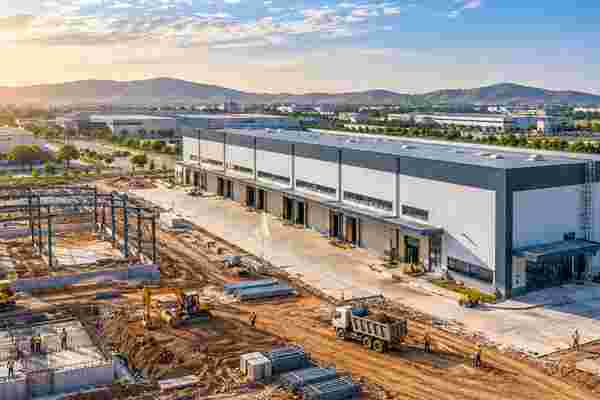
Industrial Turnkey Project Contractors in Chakan: Complete Industrial Solutions from Planning to Final Handover
Developing an industrial facility involves several interconnected activities, including project planning, engineering, material procurement, civil construction, structural fabrication, installation and commissioning. Managing each activity through separate contractors can create coordination challenges, increase project complexity and affect construction schedules. Businesses planning new industrial facilities can benefit from working with experienced Industrial Turnkey Project Contractors in Chakan who coordinate different stages of development under an integrated project execution approach.
Chakan is an important industrial destination for automobile manufacturers, engineering companies, fabrication units, warehouses and manufacturing businesses. As companies establish new production facilities or expand existing operations, the need for organized industrial construction and infrastructure development continues to increase. A turnkey project approach helps bring multiple construction activities together, with responsibilities and deliverables defined according to the project agreement.
1. What Are Industrial Turnkey Projects?
An industrial turnkey project is a project delivery approach in which a contractor manages multiple stages of development and delivers the completed facility according to the agreed scope. The objective is to provide the client with a coordinated solution rather than requiring them to independently manage every construction activity.
Depending on the contract, turnkey services may cover:
-
Initial project consultation and requirement assessment.
-
Architectural planning and facility layout.
-
Engineering and technical coordination.
-
Material and equipment procurement.
-
Industrial civil construction.
-
Structural steel fabrication and installation.
-
Roofing, cladding and industrial shed construction.
-
Mechanical and electrical coordination.
-
Testing, commissioning and project handover.
The exact responsibilities depend on the project specifications, approved drawings and contractual agreement. A clearly defined scope helps both the client and contractor understand the expected deliverables.
2. Major Stages Included in Industrial Turnkey Project Execution
A successful industrial project requires coordination between several technical and construction activities. Each stage contributes to the development of a functional industrial facility.
1. Project Planning and Requirement Assessment
The first stage involves understanding the client's business operations, facility requirements, proposed construction area, production capacity and future expansion plans. The contractor evaluates the project objectives and identifies the major activities required for execution.
2. Architectural Planning and Facility Design
Architectural planning establishes the building layout, internal space arrangement, access points, production areas and supporting facilities. The layout should consider machinery placement, material movement, employee access and operational requirements.
3. Engineering and Technical Coordination
Engineering activities include coordinating structural, civil, mechanical and electrical requirements according to the project scope. Technical drawings and specifications help guide procurement and construction activities.
4. Procurement and Material Management
Materials, equipment and construction resources are identified according to approved specifications. Procurement planning considers material quality, availability, delivery schedules and site requirements.
5. Civil Construction
Civil construction may include excavation, foundations, RCC structures, industrial flooring, drainage, internal roads and other supporting infrastructure.
6. Structural Fabrication and Installation
Industrial projects may require steel structures, factory sheds, PEB buildings, platforms, roofing and cladding. Fabrication and installation are coordinated according to approved engineering drawings.
7. Services and Equipment Coordination
Depending on the agreed scope, mechanical and electrical services, utility connections, equipment installation and other facility-related systems may be coordinated.
8. Testing, Commissioning and Handover
The final stage includes checking completed work, coordinating applicable testing and commissioning activities, addressing pending items and preparing the facility for handover according to contractual requirements.
3. Types of Industrial Facilities Developed Through Turnkey Projects
Different industries require different building configurations and supporting infrastructure. Turnkey project planning helps coordinate these requirements within an overall development plan.
Manufacturing Plants: Manufacturing facilities require production areas, machinery foundations, material storage, utilities and suitable internal movement arrangements.
Industrial Factory Buildings: Factory buildings provide covered working areas for production, assembly, processing and other industrial activities.
Pre-Engineered Buildings: PEB structures use engineered steel components fabricated according to approved designs and assembled at the project site.
Industrial Sheds: Industrial sheds can accommodate workshops, manufacturing operations, fabrication activities and equipment storage.
Warehouses and Logistics Facilities: Warehouse projects require storage areas, loading and unloading facilities, vehicle access, material handling arrangements and supporting infrastructure.
Commercial and Institutional Buildings: Certain turnkey projects may also include commercial facilities, offices and institutional developments according to the client's requirements.
Specialized Industrial Infrastructure: Processing units, cold storage facilities, utility buildings and other specialized structures may require coordinated engineering and construction activities.
4. Importance of Integrated Project Coordination
Industrial construction involves multiple teams, suppliers, consultants and contractors. When different activities are managed independently, coordination gaps can affect project progress.
An integrated turnkey approach helps organize project responsibilities and construction dependencies.
Single-Point Project Coordination: A defined project coordination structure provides the client with a central point of communication for the agreed services.
Better Activity Scheduling: Engineering, procurement and construction activities can be planned in relation to one another to reduce avoidable scheduling conflicts.
Material Availability Planning: Procurement requirements can be coordinated with the construction sequence to support timely material availability.
Reduced Coordination Complexity: Combining several project responsibilities under one agreed delivery structure can reduce the effort required to coordinate multiple vendors.
Quality Monitoring: Inspection activities can be planned across different project stages according to approved specifications and quality requirements.
Clear Project Responsibilities: Defined contractual responsibilities help establish who is responsible for design coordination, procurement, construction, installation and handover.
5. How to Plan a Turnkey Industrial Construction Project
Before beginning construction, businesses should establish a clear understanding of their operational and infrastructure requirements.
Define the Project Objective: Identify whether the project involves a new factory, warehouse, manufacturing plant, industrial shed or expansion of an existing facility.
Evaluate the Site: Review plot dimensions, access roads, ground conditions, drainage and existing infrastructure.
Prepare the Facility Layout: Plan production areas, storage zones, machinery positions, internal roads, loading areas and employee facilities.
Finalize Technical Requirements: Establish structural specifications, civil requirements, utilities and other engineering details with the relevant technical professionals.
Define the Project Scope: Clearly identify the contractor's responsibilities, exclusions, deliverables and handover requirements.
Prepare a Project Schedule: Coordinate design approvals, procurement, fabrication, civil construction and installation activities.
Establish Quality and Safety Requirements: Define applicable inspection procedures, construction standards and site safety responsibilities.
Plan for Future Expansion: Consider potential additional production areas, warehouse extensions and utility requirements during initial planning wherever practical.
A well-defined project scope helps establish realistic expectations before construction activities begin.
6. Industries That Benefit from Turnkey Project Contractors in Chakan
Industrial turnkey solutions can support businesses across multiple sectors that require coordinated facility development.
-
Automobile Industries: Factory buildings, assembly facilities, component manufacturing units and supporting infrastructure.
-
Engineering Industries: Engineering workshops, machinery installation areas, fabrication units and production facilities.
-
Manufacturing Industries: Manufacturing plants, processing facilities, industrial sheds and storage buildings.
-
Warehousing and Logistics: Storage facilities, distribution centres, loading areas and material-handling infrastructure.
-
Packaging Industries: Production buildings, packaging facilities, raw-material storage and finished-goods warehouses.
-
Steel and Fabrication Industries: Fabrication workshops, steel structures, industrial platforms and supporting civil infrastructure.
-
Food Processing Industries: Processing buildings, storage facilities and specialized infrastructure planned according to operational requirements.
-
Commercial Developments: Offices, commercial buildings and other supporting facilities.
The project design and construction scope should be customized according to the industry's technical requirements and intended operations.
7. Factors That Influence Industrial Turnkey Project Cost
The overall cost of an industrial turnkey project depends on the size, design, construction scope and technical complexity of the facility. A detailed project assessment is necessary before preparing a realistic estimate.
Important cost factors include:
-
Project Area: Total construction area, building dimensions and facility configuration.
-
Architectural and Engineering Design: Planning, drawings, structural calculations and technical coordination.
-
Civil Construction: Excavation, foundations, RCC work, industrial flooring and site development.
-
Structural Work: Steel quantity, fabrication, erection, roofing and cladding specifications.
-
Materials and Equipment: Material grades, equipment selection, procurement requirements and delivery arrangements.
-
Mechanical and Electrical Services: Utility systems, electrical infrastructure and other services included in the project.
-
Site Conditions: Ground conditions, accessibility, drainage and existing infrastructure.
-
Project Schedule: Construction sequence, manpower, equipment and resource requirements.
-
Testing and Handover: Inspection, commissioning and completion documentation included in the agreed scope.
Businesses should evaluate quotations based on the complete scope of work, material specifications, technical responsibilities and handover conditions.
8. Why Choose Sahyadri Infra Projects for Industrial Turnkey Projects in Chakan?
Sahyadri Infra Projects provides turnkey solutions for industrial, commercial and infrastructure developments. Its service approach covers project planning, architectural coordination, detailed engineering, procurement, construction and final handover according to the agreed project requirements.
Established in 2010, the company has experience in industrial infrastructure, construction, PEB structures, steel structures and civil construction. Its project capabilities support the development of manufacturing facilities, industrial buildings, warehouses and other infrastructure projects.
The company's published turnkey service information highlights the following project capabilities:
-
Integrated coordination from initial concept to project handover.
-
Architectural planning and detailed engineering coordination.
-
Procurement and construction management.
-
Industrial and manufacturing facility development.
-
Warehouse and logistics infrastructure.
-
Civil and structural construction.
-
Project-specific planning based on operational requirements.
Sahyadri Infra Projects also highlights a team of 72 active industry experts, 80 completed projects and 80 satisfied clients on its Chakan EPC service information. These figures provide an overview of its published project experience and capabilities.
Businesses can visit the official Sahyadri Infra Projects website to explore its industrial construction, PEB, steel structure and turnkey project services.
Conclusion
Industrial turnkey projects require coordination between planning, engineering, procurement, civil construction, structural development, installation and final handover. A well-organized execution approach helps businesses manage these interconnected activities under clearly defined project responsibilities.
Choosing suitable Industrial Turnkey Project Contractors in Chakan involves evaluating technical expertise, construction capabilities, procurement coordination, project management and the ability to deliver the agreed scope. With proper planning and coordinated execution, businesses can develop functional industrial facilities that support manufacturing, warehousing and long-term operational requirements.
Frequently Asked Questions (FAQs)
1. What is included in an industrial turnkey project?
An industrial turnkey project may include project planning, architectural design, engineering, procurement, civil construction, structural work, installation, testing, commissioning and final handover. The exact services depend on the agreed contract.
2. Which industries can benefit from turnkey industrial construction?
Automobile, engineering, manufacturing, packaging, warehousing, logistics, steel fabrication and food processing businesses can benefit from turnkey project solutions, depending on their facility requirements.
3. What information is required to get a turnkey project quotation?
Businesses should provide the project location, plot dimensions, proposed building area, intended industrial activity, required facilities, available drawings and expected construction scope. Equipment and utility requirements should also be shared where applicable.
Discuss Your Industrial Turnkey Project in Chakan
Planning a new manufacturing plant, factory building, industrial shed or warehouse? Connect with Sahyadri Infra Projects to discuss your project requirements, engineering needs and construction scope. Contact Sahyadri Infra Projects Today to discuss your industrial development plans and request a project quotation.
Author Bio
Author: SEO Content Team – Sahyadri Infra Projects
Sahyadri Infra Projects provides industrial infrastructure and construction solutions, including turnkey projects, EPC services, industrial civil construction, PEB structures, steel structures, factory buildings and warehouse development. The company focuses on project-specific planning, technical coordination and organized construction execution.

 English
 Arabic
 French
 Spanish
 Portuguese
 Deutsch
 Turkish
 Dutch
 Italiano
 Russian
 Romaian
 Greek