


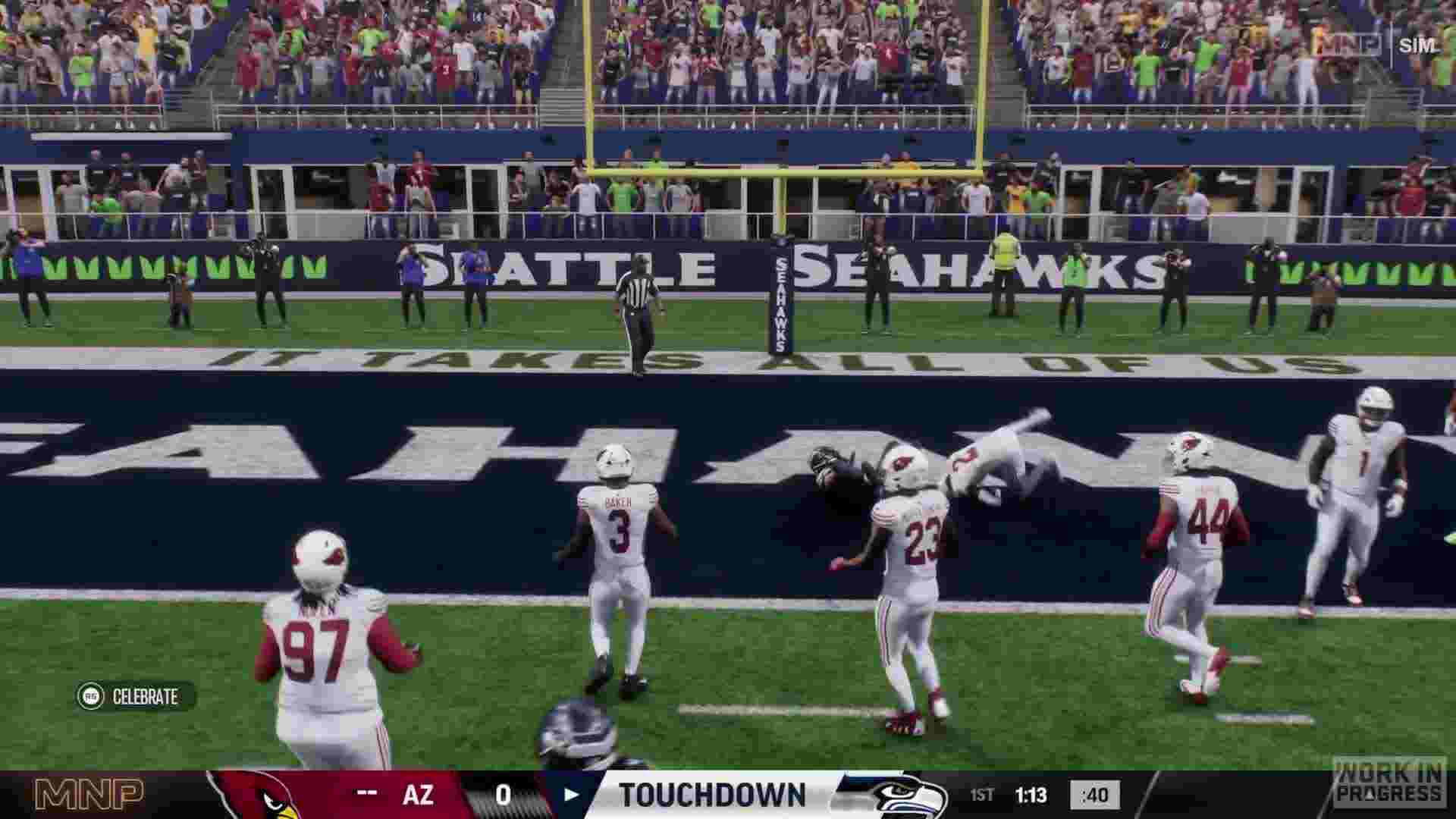
If you are struggling to move the ball against Cover 4 Match defenses in Madden 27, the San Francisco 49ers' Empty Bunch Tight formation offers several reliable ways to create open passing lanes. With the right route combinations and defensive reads, you can attack both Box and Bingo coverage checks. Learning how to recognize these adjustments will help you make quicker decisions, and having enough Mut coins can also give you more flexibility when building an offensive lineup suited to this passing scheme.
Why Empty Bunch Tight Is So Effective
Empty Bunch Tight is available in the San Francisco 49ers playbook. Its alignment resembles the popular Five Wide Receiver Tight formation found in other playbooks, but its slightly tighter spacing provides an additional advantage: the running game.
The compressed alignment creates better blocking angles for the draw play, making it a useful change of pace when opponents focus too heavily on defending the pass. The formation can also handle certain defensive stunts more effectively than its wider alternative. This means the offense does not have to rely exclusively on passing concepts to keep the defense guessing.
A strong starting point is the Clear Deep play. It provides a useful foundation for several hot-route adjustments and includes a bent seam route by the tight end that can create opportunities against other defensive coverages, including Cover 2 Match.
The First Test: Identify Box or Bingo Coverage
Cover 4 Quarters players commonly use two checks against bunch formations: Box and Bingo. The main difference involves how the outside cornerback handles the outside receiver.
A simple route combination can help identify the defensive adjustment. Put the outside receiver on a quick flat route, send the inside receiver vertically with a streak or the stock slot fade, and give the tight end a short corner route.
Against Box coverage, the quick flat is usually an easy completion. The quarter-flat defender initially sinks vertically before moving toward the sideline, leaving him late to cover the outside receiver. This creates a favorable opportunity for a quick throw and catch.
The tight end's short corner route is another reliable option. Because Empty Bunch Tight gives the tight end a sharper corner route than some Five Wide Receiver Tight setups, he can create separation and generate yards after the catch. A well-timed throw can turn a simple completion into a significant gain.
Bingo coverage changes the situation. Its outside cornerback can trap the quick flat when the outside bunch receiver moves toward the sideline. Throwing blindly into this route may result in an interception or a pass breakup. However, this adjustment can create even more space for the tight end.
Beat Bingo With a Stamped Corner Route
When Bingo coverage sends both the outside cornerback and nickel defender toward the flat, the tight end's corner route becomes especially valuable. The key is timing.
If the standard corner route is too short, use a route stem adjustment to push it slightly deeper. This helps the tight end move beyond the quarter-flat defender's reach and creates an isolation matchup against the three-receiver hook defender.
That defender is often a linebacker, which gives a capable tight end a favorable opportunity. Meanwhile, a vertical route can occupy the safety and prevent him from helping underneath. The result is a cleaner passing window toward the sideline.
Players adapting this concept to Five Wide Receiver Tight can use a steeper corner route or a customized deep out route. The route shape may differ, but the objective remains the same: isolate the tight end against the hook defender.
Use Slants and In Routes to Attack the Middle
The offense should not focus exclusively on outside routes. Slants, follow routes, and in breakers can punish Cover 4 Match when defenders struggle to pass assignments between zones.
One effective adjustment combines a tight end slant with an in route from the outside receiver and a vertical push from another target. The three-receiver hook may initially follow the tight end before passing him off later in the play. When that happens, the tight end can become open near the sideline.
Sending the slot receiver on an underneath route from the opposite side can help influence the quarter-flat defender's movement and create an even better passing window. If the tight end remains covered, the backside in route provides another option.
The follow route is another important concept. Against quarters coverage, a single hook defender may have to account for multiple underneath threats. By combining a tight end follow route with an in breaker, the offense can force that defender to choose which receiver to cover.
Read the tight end first, then check the in route. If the defense drops the hook defender away from the tight end, deliver the ball quickly. If the underneath route opens first, take the immediate completion instead of waiting for a deeper option.
Attack the Seams and Exploit Safety Leverage
Another useful strategy is to challenge the defense vertically. Cover 4 defenders generally maintain inside leverage with their safeties, but that does not mean the middle of the field is completely protected.
Use a streak to occupy the safety while another receiver attacks the outside cornerback. This can create room for a post route or seam throw against the defender responsible for the middle area.
You can also send two receivers vertically on one side while using a quick flat route on the opposite side. The vertical routes stretch the coverage, while the flat route helps identify whether the defense is using Box or Bingo rules. Against the three-receiver hook, a well-timed lob over the defender can produce an easy completion.
Build a More Complete Offensive Scheme
The biggest advantage of Empty Bunch Tight is its flexibility. The same formation can threaten the flat, sideline, middle of the field, and deep seams without requiring a completely different offensive setup. Start with Clear Deep, use the quick flat and tight end corner route to identify the coverage, and then adjust with slants, in routes, follow routes, and vertical combinations.
Mixing these concepts with the draw play will make your offense less predictable and force opponents to defend multiple areas of the field. Practice recognizing Box and Bingo adjustments before the snap, but always confirm the defensive reaction after the ball is snapped. With better reads, precise timing, and a roster built around versatile receivers and tight ends, you can consistently challenge quarters-based defenses. If you are also improving your lineup and preparing for tougher matchups, knowing when to Mut 27 coins can help you work toward the players needed to execute this offense effectively.

 English
 Arabic
 Spanish
 Portuguese
 Deutsch
 Turkish
 Dutch
 Italiano
 Russian
 Romaian
 Portuguese (Brazil)
 Greek