


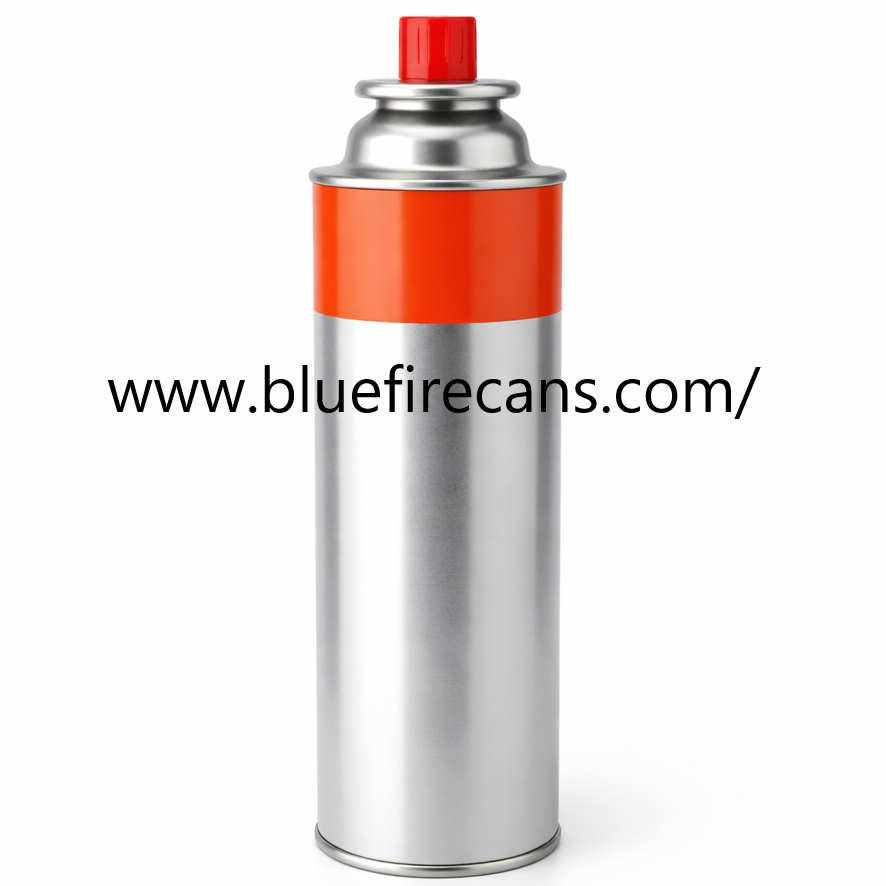
Butane Gas Canister Manufacturer evaluation involves more than comparing quotations or browsing product photographs. For importers, wholesalers, and outdoor equipment brands, the purchasing process begins with a clear understanding of the intended market and the products customers will use. Capacity, connection design, packaging, production arrangements, and private-label requirements all deserve attention. Preparing these details before requesting a quotation can help buyers communicate their expectations and assess whether a production partner can support the project.
Start With the Customer Application
Before discussing quantities or prices, buyers should identify how the product will be used. Camping stoves, portable burners, and other fuel-powered appliances may have different requirements for capacity, dimensions, and connection structure.
Consider the type of equipment sold in the target market. Does it use a threaded connection? What size and filling capacity does the appliance require? Are customers looking for compact products for short outdoor trips or larger options for extended use?
These questions help purchasing teams narrow down suitable models. Buyers should also review the appliance instructions and relevant technical information rather than assuming that products with similar appearances are interchangeable.
A clear application description gives the production team useful context when discussing available models and technical details.
Compare Capacity, Dimensions, and Physical Design
Capacity is an important purchasing consideration, but it should be assessed alongside physical dimensions and product design. A larger container may suit one application but may not fit the storage space or equipment requirements of another.
Buyers can request a specification sheet covering net filling weight, external dimensions, volume, body structure, and other relevant measurements. They should also confirm whether the quoted information refers to the exact model under discussion.
For example, Bluefire lists camping models in 100g, 230g, and 450g sizes. Its published 230g model information gives a diameter of 106mm and a height of 85mm. These figures provide a useful reference for buyers comparing product formats, but the specifications of each model should be checked individually.
A comparison table can help purchasing teams record the details of each option and share approved requirements with their sales, warehouse, and technical departments.
Examine Valve and Connection Requirements
The valve is closely related to appliance compatibility. Buyers should confirm the connection type, thread dimensions, installation requirements, and any relevant technical standards before approving a model.
For products intended for threaded camping stoves, the exact thread specification should be checked against the equipment documentation. A connection that looks similar may still differ in dimensions or design.
It is also useful to ask for technical drawings or physical samples when a project involves a specific appliance range. Sample evaluation can help buyers identify possible fitting issues before a larger order is arranged.
Keep the approved connection details in the purchasing record. This gives both parties a reference when discussing repeat orders or changes to an existing product specification.
Ask How Production Quality Is Checked
Production discussions should cover the manufacturing process as well as the finished appearance. Buyers can ask how materials are checked, how body dimensions are monitored, and how valve installation and sealing are assessed.
For pressurized fuel containers, inspection arrangements need particular attention. Depending on the product design and applicable requirements, relevant procedures may include dimensional checks, air-tightness testing, drop testing, and other specified evaluations.
Ask which tests apply to the selected model, how frequently inspections are performed, and what records can be shared for the ordered batch. It is also helpful to clarify how products that do not meet agreed requirements are identified and managed.
Written inspection criteria make expectations easier to communicate. Buyers should agree on the relevant product characteristics and acceptance requirements before production begins.
Plan OEM Printing and Packaging Early
Private-label projects involve several details beyond adding a company logo. Buyers may need to prepare artwork, label text, language versions, color requirements, carton designs, and product identification information.
Before approving printing, check the available surface area and confirm that the proposed design fits the selected model. Ask whether a digital proof or printed sample can be reviewed before the full order moves forward.
Packaging also affects storage, distribution, and shipping arrangements. Buyers should confirm carton quantity, dimensions, protective materials, pallet requirements, and outer markings. These details can influence warehouse planning and transportation costs.
For international orders, destination-market labeling and transport requirements should be checked with qualified logistics providers and relevant authorities. Requirements may differ between markets, so buyers should not assume that one packaging arrangement applies everywhere.
Clarify Order Planning and Commercial Terms
A clear purchasing arrangement should identify the order quantity, minimum order requirements, sample approval process, production schedule, payment terms, and expected delivery arrangements.
Buyers should also ask how changes are handled after specifications or artwork have been approved. For example, a change to the filling weight, valve configuration, or printed design may affect production preparation and delivery timing.
For repeat purchasing, keep copies of approved drawings, product specifications, artwork, inspection criteria, and previous order records. These documents can help the purchasing team communicate consistently when arranging replenishment.
When comparing quotations, review the full scope of each offer. Check whether printing, packaging, inspection, and shipping preparation are included or quoted separately. A clear cost breakdown makes commercial discussions easier to manage.
Build a Practical Purchasing Plan
A productive inquiry should include the intended application, target market, required capacity, connection details, estimated quantity, and customization preferences. Buyers can attach reference photographs or technical documents when available. This gives the production team a clearer basis for responding to questions.Bluefire Industries Limited offers portable camping fuel products in several capacity options, along with threaded valve configurations and OEM printing services. Buyers planning a new product range or wholesale order can discuss specifications, samples, packaging, and project requirements with bluefirecans. Visit https://www.bluefirecans.com/ to review the available product information and contact the company about your purchasing plans.

 English
 French
 Spanish
 Portuguese
 Deutsch
 Turkish
 Dutch
 Italiano
 Russian
 Romaian
 Portuguese (Brazil)
 Greek