


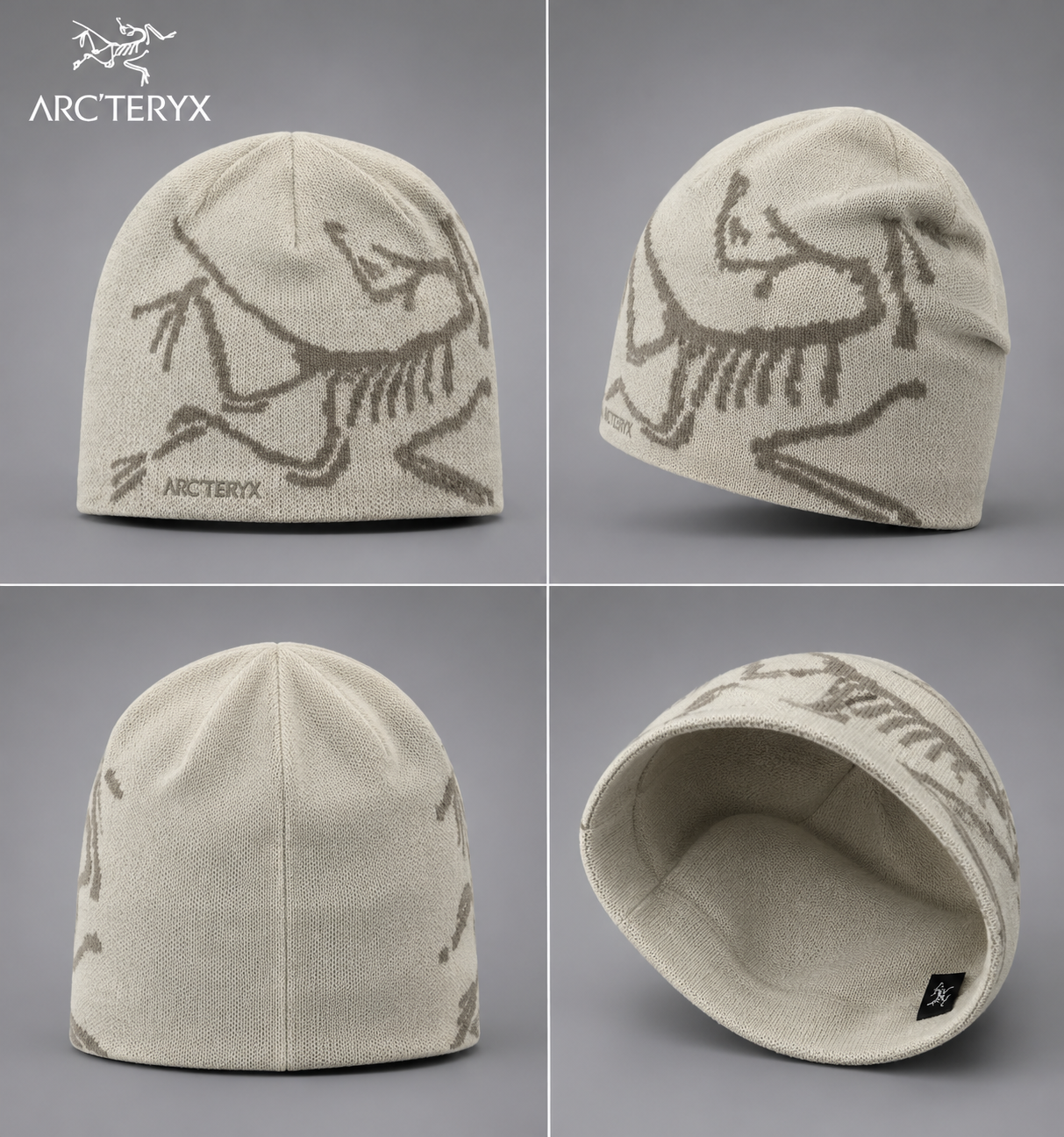
An Arcteryx beanie is a knit hat from a Canadian outdoor brand that grew up making gear for climbers and skiers. A winter kit is the small set of clothes and extras you pack or wear to stay warm when the weather turns cold. Most people build that kit from the body outward, with a jacket, boots, and gloves, and forget the hat until their ears start to ache. This article shows you why a beanie belongs in your kit, which style suits your days outside, and how to make it work with the rest of your gear.
Why a Hat Deserves a Spot in Your Kit
Your head is always exposed, even when the rest of you is covered. Cold air reaches your scalp and ears first, and you notice it long before your https://arcteryxs.uk/ hands or feet complain. A good beanie fixes that problem with very little weight.It also costs you almost no space. A beanie folds into a jacket pocket or the lid of a backpack, so you can carry a spare without thinking about it. That small habit has saved many cold summit breaks.
What Sets an Arcteryx Beanie Apart
Arcteryx started in Canada, and its hats borrow ideas from its technical jackets. Many use merino wool, which holds warmth and resists odor on long days. Some styles add a soft lining or a closer knit for more protection from wind.You will find thin knits for active days and thicker ones for slow walking and deep cold. Many people call them toques, the Canadian word for a knit winter hat. Colors and styles change from season to season, so check the product details for the model you like.
Picking the Weight That Matches Your Day
The right weight depends on how you move. If you climb fast or run in the cold, you heat up quickly, and a thin merino knit keeps you warm without trapping sweat. If you stand around, walk slowly, or start before sunrise, a thicker knit gives you the extra warmth you need.Think about wind as well. A thin hat lets some air through on exposed ground, while a lined style holds up better. When in doubt, choose the lighter hat and pull a hood over it on gusty days. That combination covers most situations.
Where the Beanie Fits Among Your Other Layers
A winter kit works as a system, and each piece should support the others. The beanie handles the head and ears, gloves handle the hands, and a neck gaiter closes the gap between your hat and jacket. When those three work together, cold air has fewer ways in.Your hood and helmet matter too. A slim, low-profile beanie slides under both without bunching, which keeps the setup tidy. A bulky hat can push a helmet out of position, so test the combination at home before you head out.
A Quick Guide to Matching Beanie to Activity
This table pairs common winter activities with the type of beanie that tends to work best.
| Activity | Heat You Produce | Beanie Type That Works |
| Fast hiking or running | High | Thin merino wool knit |
| Ski touring | Moderate to high | Slim knit that sits under a helmet |
| Steady winter walking | Moderate | Medium wool blend |
| Standing, camping, or photography | Low | Thicker or lined knit |
| Daily commute in the cold | Low to moderate | Medium knit with a fold-over cuff |
Use it as a starting point, then adjust for your own body heat and the weather you usually face.
Getting the Size Right the First Time
A beanie only works if it sits well. Measure your head with a soft tape, about one finger above your eyebrows and over the middle of your ears. Then compare the number with the size chart for the exact model.Many Arcteryx beanies come in one stretchy size, and some offer two. Thicker and lined styles stretch less, so choose the larger size if you fall between two. A snug hat that covers your ears and stays put when you shake your head is the one you want.
Looking After the Hat Through the Season
A little care keeps a beanie warm and in shape. Wash it gently in cool water, press out the extra moisture, and dry it flat on a towel. Hot water and direct heat can shrink wool and change the fit.Let it dry fully between trips, since a damp hat feels cold and can pick up odor. Keep a thin spare in your bag, so you can swap if the first one gets wet. Always follow the care label on your hat for the exact steps.
Ready to Pack Yours? Key Points to Remember
An Arcteryx beanie earns its place in your winter kit by protecting the part of you that stays exposed longest. Choose a weight that matches how hard you move, measure your head before you order, and make sure the hat sits well under your hood or helmet.Before the next cold snap, check what you already own, then add a beanie that fills the gap.Pack a spare, care for it gently, and you will start every cold day with a warm head.

 English
 Arabic
 Spanish
 Portuguese
 Deutsch
 Turkish
 Dutch
 Italiano
 Russian
 Romaian
 Portuguese (Brazil)
 Greek