


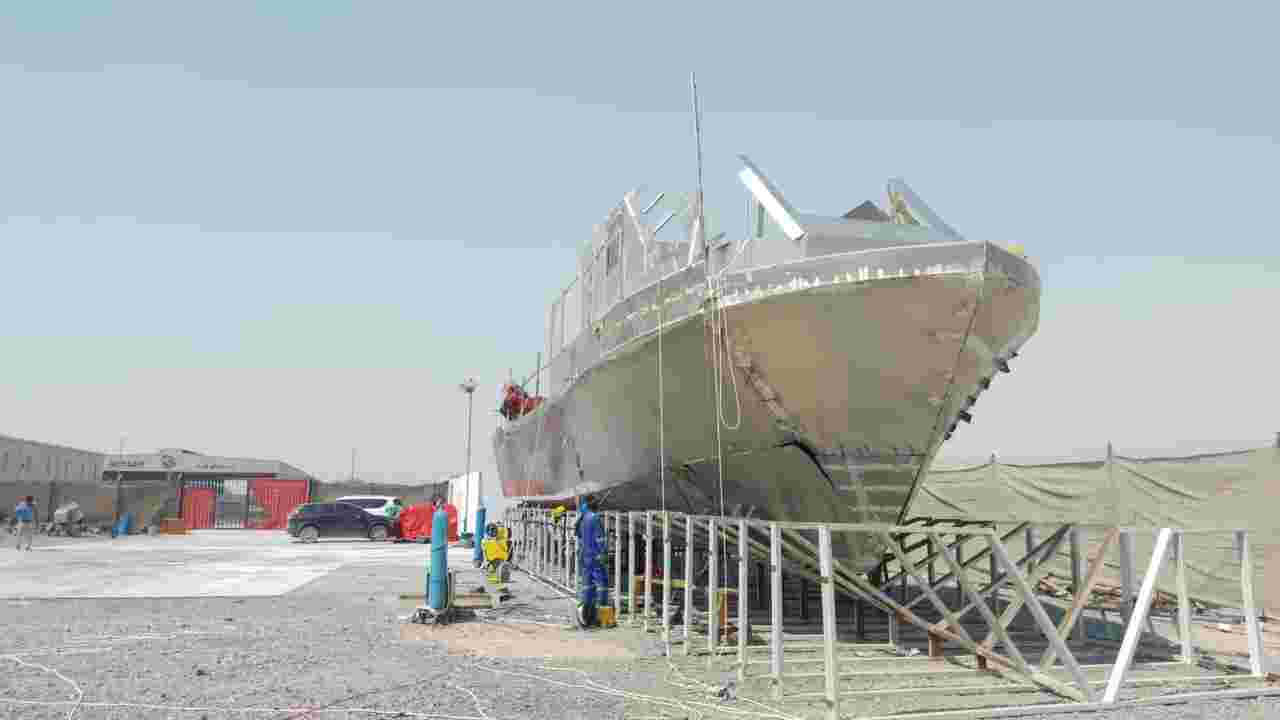
The marine industry is continuously evolving as the demand for efficient, durable, and environmentally responsible vessels increases. Modern vessel construction focuses on materials that improve performance while reducing environmental impact. Aluminium boat building has become an important part of this transformation because aluminium offers a combination of lightweight construction, strength, corrosion resistance, and recyclability. These properties make it suitable for commercial boating, passenger transportation, fishing operations, and specialised marine activities.
As environmental concerns become more important, manufacturers are exploring sustainable materials that support long-term marine operations. Aluminium provides several advantages that make it a practical choice for modern vessels, particularly when combined with energy-efficient designs and advanced manufacturing technologies.
Why Aluminium Is Important for Modern Marine Transportation
Material selection plays a major role in determining a boat's performance, durability, and operating costs. Traditional construction materials have their own advantages, but aluminium provides a useful balance between strength and weight. Its relatively low density allows manufacturers to construct lighter vessels without compromising essential structural requirements.
A lighter vessel generally requires less energy to move through water, depending on hull design, speed, loading conditions, and propulsion systems. Reduced vessel weight can also improve acceleration, manoeuvrability, and payload capacity.
In regions with growing commercial and industrial marine activities, the demand for lightweight vessels continues to increase. The development of modern boats requires careful material selection and engineering to meet different operational requirements.
Lightweight Construction and Improved Fuel Efficiency
One of the most significant advantages of aluminium is its lightweight nature. Compared with steel, aluminium weighs approximately one-third as much by volume. This difference creates opportunities to reduce the overall structural weight of a vessel.
A lighter boat may require less propulsion power to achieve its intended operating speed. It can also provide greater flexibility in designing fuel-efficient propulsion systems. For commercial operators, these improvements can contribute to lower fuel consumption and reduced operating expenses over the vessel's service life.
An International Aluminium Institute study examined a high-speed passenger ferry design. In its example, the aluminium version weighed approximately 1,425 tonnes, compared with 2,030 tonnes for the steel version. This represented a weight reduction of around 605 tonnes, or nearly 30%.
Although the results depend on the particular vessel design and operating conditions, this example demonstrates how material selection can influence marine transportation efficiency.
Corrosion Resistance for Long-Term Marine Performance
Marine vessels are regularly exposed to saltwater, moisture, changing temperatures, and other environmental conditions. These factors can gradually affect structural materials and increase maintenance requirements.
Aluminium naturally develops a thin oxide layer when exposed to oxygen. This protective surface helps reduce further oxidation and contributes to its corrosion resistance. Marine-grade aluminium alloys are therefore widely considered for boat hulls, decks, and structural components.
However, aluminium is not completely immune to corrosion. Incorrect material selection, poor welding practices, damaged coatings, and contact with incompatible metals can create corrosion problems. Proper surface protection, drainage arrangements, insulation between dissimilar metals, and regular inspections are important for maintaining vessel condition.
With suitable engineering and maintenance, aluminium structures can provide dependable performance in demanding marine environments.
Growing Demand for Modern Boat Manufacturing in the UAE
The UAE has developed an important maritime sector supported by commercial ports, offshore activities, coastal transportation, and industrial marine operations. These activities create demand for vessels that can operate efficiently under different environmental and working conditions.
The market for boats manufacturer in UAE services is influenced by the need for passenger boats, fishing vessels, patrol boats, workboats, and specialised commercial craft. Modern construction methods and suitable marine-grade materials help manufacturers meet these requirements.
The UAE's coastal environment also makes durability and corrosion protection important considerations. Selecting appropriate aluminium alloys, applying suitable protective systems, and following proper fabrication standards can help improve vessel reliability and service life.
Recycling and Sustainable Material Selection
Sustainability involves more than reducing fuel consumption during vessel operation. It also includes responsible material sourcing, manufacturing processes, maintenance, and end-of-life recycling.
Aluminium has a major advantage because it can be recycled repeatedly without losing its fundamental material properties. Recycling aluminium also requires substantially less energy than producing primary aluminium from raw materials.
This makes recycled aluminium an important option for manufacturers seeking to reduce the environmental footprint of marine construction. However, the overall sustainability benefit depends on material sourcing, production energy, transportation, fabrication waste, and recycling practices.
The European Commission highlights the growing importance of ship recycling and the recovery of valuable materials, including aluminium, steel, and copper. Such practices support resource efficiency and encourage a more circular approach to marine manufacturing.
By considering recyclability during the design stage, manufacturers can make vessels easier to maintain, repair, dismantle, and recycle at the end of their working lives.
Advanced Manufacturing Techniques in Boat Construction
Modern vessel construction requires accurate engineering, skilled fabrication, and quality control. Aluminium structures must be designed carefully to ensure that different sections work together under changing loads and operating conditions.
Advanced cutting, bending, forming, and welding technologies help manufacturers achieve accurate dimensions and consistent structural quality. Computer-aided design also supports better planning by allowing engineers to assess hull shapes, structural arrangements, weight distribution, and equipment positioning before construction begins.
Professional aluminium boat builders use suitable marine-grade materials and specialised fabrication methods to develop vessels for different applications. Proper welding procedures and quality inspections are particularly important because aluminium requires specific handling and fabrication expertise.
Modern inspection methods can also help evaluate welds, material quality, and structural integrity. These techniques contribute to safer vessels and more reliable long-term performance.
Applications Across Different Marine Transportation Sectors
Aluminium vessels are used across several marine sectors because their properties suit different operational requirements.
Commercial Transportation: Lightweight passenger boats and ferries can benefit from improved efficiency, suitable passenger capacity, and dependable operating performance.
Fishing Operations: Aluminium fishing boats offer practical construction, durability, and easier handling for coastal and inland fishing activities.
Offshore Support: Specialised aluminium vessels can support certain offshore operations where speed, manoeuvrability, and structural performance are important.
Rescue and Patrol Services: Lightweight construction can support rapid response and efficient movement in emergency and security operations.
Industrial Marine Activities: Aluminium workboats can be designed for inspection, maintenance, transportation, and other specialised marine tasks.
The suitability of aluminium depends on the vessel's size, operating environment, load requirements, and engineering specifications.
The Role of Energy Efficiency in Sustainable Marine Transportation
The environmental impact of marine transportation has become an important global concern. According to the International Council on Clean Transportation, global shipping produced approximately 911 million tonnes of tank-to-wake greenhouse gas emissions in 2023. Its research also found that emissions increased by 12% between 2016 and 2023.
These figures demonstrate the importance of improving vessel efficiency and adopting more sustainable technologies.
Aluminium construction can contribute to this transition through weight reduction. However, material selection alone cannot eliminate marine emissions. Hull optimisation, efficient propellers, modern engines, alternative fuels, and improved operational planning are also necessary.
Combining lightweight construction with these technologies can help create vessels that consume less energy and deliver better operational performance.
Challenges and Considerations in Aluminium Boat Construction
Despite its advantages, aluminium construction requires careful planning. The initial material cost can be higher than some conventional alternatives, and specialised fabrication skills are necessary.
Another important consideration is galvanic corrosion, which can occur when aluminium comes into electrical contact with certain dissimilar metals in the presence of an electrolyte such as seawater. Appropriate insulation, protective coatings, and material compatibility checks help reduce this risk.
Thermal expansion, structural fatigue, welding quality, and hull design must also be considered during construction. Engineers need to select suitable marine-grade alloys according to the vessel's intended use.
A professional boat building company must pay attention to material quality, engineering accuracy, fabrication standards, and maintenance requirements. These factors help ensure that vessels meet their intended operational needs and provide dependable service over time.
VU Marine and the Future of Sustainable Boat Construction
The growing demand for efficient and durable vessels is encouraging continued development in marine engineering. VU Marine focuses on providing high-quality marine solutions, including aluminium boat construction, specialised vessel development, ship repair, retrofitting, and maintenance services.
Modern marine construction requires a combination of suitable materials, technical knowledge, and careful attention to operational requirements. By focusing on practical engineering solutions and quality construction, VU Marine supports the development of vessels designed for different commercial and industrial marine applications.
As the industry moves towards more sustainable transportation, the use of lightweight materials and energy-efficient technologies will remain an important part of future vessel development.
Conclusion
Aluminium is playing an increasingly important role in the future of marine transportation. Its lightweight structure, corrosion resistance, strength, and recycling potential make it a valuable material for modern boat construction. When combined with advanced manufacturing, efficient propulsion systems, and responsible maintenance practices, aluminium vessels can deliver long-term operational and environmental benefits.
Although challenges such as material costs, specialised fabrication, and corrosion management require attention, careful engineering can help address these issues. The future of sustainable marine transportation will depend on selecting better materials and adopting technologies that improve vessel performance throughout its working life. Aluminium construction is well positioned to contribute to this ongoing transformation.

 English
 Arabic
 Spanish
 Portuguese
 Deutsch
 Turkish
 Dutch
 Italiano
 Russian
 Romaian
 Portuguese (Brazil)
 Greek