There’s a very specific lie gamers tell themselves. It usually sounds harmless. Reasonable, even.
“Just one more run.”
I told myself that sentence more times than I can count while playing Eggy Car, and somehow, every time, I believed it. Not because I lacked self-control (okay, maybe a little), but because this game has a strange way of making you feel like the next attempt will be different. Better. Calmer. Smarter.
This blog post isn’t a review filled with stats or rankings. It’s a personal reflection—the kind you write after closing a game and realizing it stayed with you longer than expected.
I Wanted Something Simple and Forgettable
That day, I wasn’t in the mood for commitment.
No story arcs. No progression trees. No pressure to “optimize.” I wanted something small. Something I could play while half-tired, half-distracted, and put down without thinking twice.
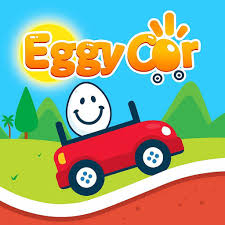
That’s why this game caught my attention. It didn’t ask for much. It didn’t promise much either. Just a tiny car, a fragile egg on top, and a road that looked innocent enough.
I hit play with low expectations and an even lower emotional investment.
Early Runs: Laughing at My Own Clumsiness
The first few minutes were pure comedy.
The egg bounced wildly with every uneven surface. I pressed the accelerator like I was playing a racing game, and the egg immediately flew off in the most dramatic way possible. Sometimes it launched so far that I couldn’t help laughing.
Failures were quick and almost charming. There was no loud punishment, no dramatic screen telling me I messed up. Just a quiet reset and another chance.
At that point, the game felt light and silly. I was relaxed. I was entertained. I was sure I’d be done soon.
When My Brain Quietly Switched Gears
Without realizing it, something changed.
I stopped accelerating aggressively. I started tapping gently. I paid attention to the egg instead of the distance. My posture changed. I leaned forward slightly, eyes locked on the screen.
I wasn’t chasing fun anymore—I was chasing control.
That’s when the game stopped feeling silly and started feeling personal. Each hill became a small test. Each bounce felt like feedback. The egg wasn’t just an object; it was a reflection of my focus.
The Run That Made Me Feel “In Sync”
There was one run that felt different from the rest.
Everything was smooth. The car moved steadily. The egg barely wobbled. I passed hills that used to end my runs, and for the first time, I wasn’t tense—I was calm.
I remember thinking, “This feels balanced.”
That thought should have scared me.
The Mistake That Ended It All
Near the end of that run, I approached a hill that looked familiar. I’d passed it before. I relaxed just a little—barely enough to notice.
The car bounced more than expected. The egg lifted, hovered for a brief second, and then rolled off slowly, almost gracefully.
I didn’t react immediately.
I just stared at the screen, replaying the moment in my head. No anger. No disbelief. Just a quiet understanding of exactly where I went wrong.
Why Losing Feels Honest Here
What makes Eggy Car special is how fair it feels.
There’s no randomness to blame. No upgrade system to hide behind. No excuses. When you fail, you know why. And because you know why, failure doesn’t feel like punishment—it feels like information.
That honesty changes everything.
Instead of feeling discouraged, I felt curious. What if I slowed down there? What if I anticipated earlier? The game doesn’t tell you how to improve. It trusts you to figure it out.
The Dangerous Power of Being “Close”
The most addictive part of this game isn’t difficulty—it’s proximity.
You’re rarely far from success. You’re usually just one small adjustment away. One gentler tap. One moment of patience. One decision not to rush.
That sense of being almost there is incredibly powerful. It keeps you engaged without overwhelming you. It doesn’t shout. It whispers.
And somehow, that whisper is harder to ignore.
Things I Learned by Failing Repeatedly
I wouldn’t call these tips—more like quiet realizations that came from repetition:
Smooth Control Beats Speed
Fast acceleration feels exciting, but smooth movement keeps everything stable.
Watch the Egg Like a Signal
The egg tells you when you’re doing too much. The moment it starts bouncing aggressively, danger isn’t coming—it’s already there.
Prepare Early
Reacting at the top of a hill is usually too late. Anticipation matters more than reaction.
Stop When You Lose Focus
Once frustration creeps in, your timing suffers. Ending a session early often leads to better runs later.
These habits didn’t make me perfect—but they made me better.
Unexpected Lessons Beyond the Game
I didn’t expect a casual game to reflect anything back at me, but it did.
It reminded me how often impatience creates problems. How easily confidence turns into carelessness. How progress disappears the moment attention fades.
It also reminded me that improvement doesn’t have to be dramatic to be satisfying. Sometimes, going a little farther than last time is enough.
The Emotional Shape of Each Session
Every session followed a familiar pattern.
Curiosity at the start.
Focus during solid runs.
Tension as I pushed further.
Acceptance when it ended.
What surprised me most was that acceptance. I didn’t feel cheated or punished. I felt responsible—and oddly okay with that.
That emotional balance is rare.
Why This Game Stayed With Me
Long after I stopped playing, I kept thinking about small moments.
That run where everything felt effortless.
That hill where I got impatient.
That split second where the egg hovered before falling.
Eggy Car doesn’t overwhelm you with content. It gives you a simple system and lets your mindset shape the experience. That’s why it lingers.
Who This Game Is Perfect For
If you want instant rewards and constant excitement, this might feel slow.
But if you enjoy skill-based casual games that feel fair, thoughtful, and quietly challenging, it’s absolutely worth your time. It’s perfect for short breaks—and surprisingly easy to lose yourself in if you’re not careful.
It doesn’t beg for attention. It earns it.
Final Thoughts
I went into this game looking for a distraction. I came out with a small but memorable experience—one built on patience, focus, and learning from tiny mistakes.

 English
 Arabic
 French
 Spanish
 Portuguese
 Deutsch
 Turkish
 Dutch
Dutch
 Italiano
 Russian
 Portuguese (Brazil)
 Greek
Greek