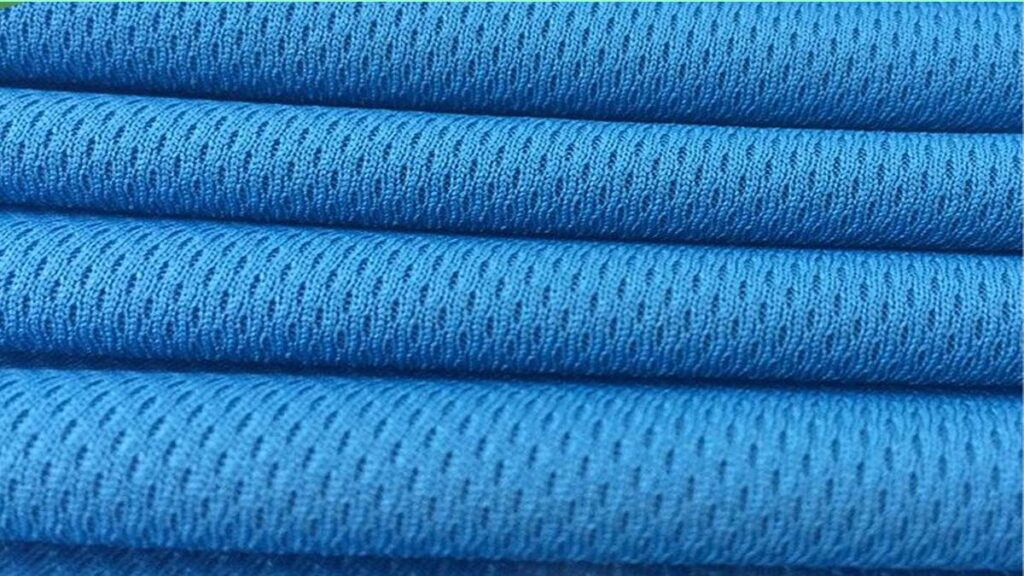
Introduction to Knitted Fabric
Knitted fabric stands at the forefront of modern textile innovation, offering unmatched flexibility, durability, and comfort. We recognize knitted textiles as a cornerstone of the apparel, sportswear, and industrial fabric sectors due to their elastic structure, breathability, and versatility. Unlike woven fabrics, knitted materials are constructed through interlocking loops of yarn, creating a structure that adapts seamlessly to movement and shape.
This comprehensive guide explores everything essential about knitted fabric material, from its types and production methods to its advantages and widespread applications.
What is Knitted Fabric?
Knitted fabric is produced by forming a series of interconnected loops using needles. This looped structure enables the fabric to stretch in multiple directions, making it highly suitable for garments that require flexibility and comfort.
We distinguish knitted fabrics based on their loop formation techniques, which directly influence their texture, strength, and usage.
Types of Knitted Fabric
1. Weft Knitted Fabric
Weft knitting is the most common knitting method, where yarn runs horizontally across the fabric. It is widely used in mass production due to its efficiency.
Key Characteristics:
- High elasticity
- Soft texture
- Easy to manufacture
Popular Weft Knits:
- Jersey Knit – Lightweight and smooth, commonly used in t-shirts
- Rib Knit – Stretchable with vertical ribs, ideal for cuffs and collars
- Interlock Knit – Thicker and more stable than jersey, used in premium garments
2. Warp Knitted Fabric
In warp knitting, yarn runs vertically, producing a more structured and less stretchable fabric compared to weft knitting.
Key Characteristics:
- Strong and durable
- Less prone to runs
- Smooth surface finish
Popular Warp Knits:
- Tricot Knit – Fine texture, used in lingerie and linings
- Raschel Knit – Coarser and decorative, often used in lace and nets
Knitted Fabric Manufacturing Process
1. Yarn Selection
We begin with selecting the right fiber type, which determines the fabric's final characteristics. Common yarns include:
- Cotton – Soft and breathable
- Polyester – Durable and wrinkle-resistant
- Wool – Warm and insulating
- Blends – Combining properties for enhanced performance
2. Knitting Process
Using advanced knitting machines, yarn is converted into fabric through:
- Circular knitting machines – For seamless tubular fabrics
- Flat knitting machines – For shaped garments and panels
The choice of machine affects fabric density, stretch, and pattern complexity.
3. Dyeing and Finishing
After knitting, fabrics undergo dyeing, washing, and finishing treatments such as:
- Anti-pilling finishes
- Moisture-wicking treatments
- Shrink resistance
These processes enhance both appearance and performance.
Advantages of Knitted Fabric
1. Superior Stretch and Flexibility
The looped structure provides natural elasticity, allowing garments to move with the body without restriction.
2. Enhanced Comfort
Knitted fabrics offer softness and breathability, making them ideal for everyday wear and activewear.
3. Wrinkle Resistance
Due to their flexible structure, knitted fabrics resist wrinkles, reducing the need for ironing.
4. Lightweight and Breathable
Air can easily pass through knitted loops, ensuring temperature regulation and comfort in various climates.
5. Versatility in Design
Knitted fabrics can be engineered into countless patterns, textures, and thicknesses, making them suitable for diverse applications.
Disadvantages of Knitted Fabric
1. Lower Structural Stability
Compared to woven fabrics, knitted materials may lose shape if not properly handled.
2. Snagging and Pilling
The loop structure can be prone to snagging and pilling, especially with lower-quality yarns.
3. Limited Formal Use
Knitted fabrics are less commonly used in formal wear due to their relaxed appearance. You can order from Vel Clothing.
Applications of Knitted Fabric
1. Apparel Industry
Knitted fabrics dominate modern clothing due to their comfort and adaptability.
Common Uses:
- T-shirts and tops
- Activewear and sportswear
- Sweaters and cardigans
- Underwear and loungewear
2. Sports and Performance Wear
The stretchability and moisture-wicking capabilities make knitted fabrics ideal for:
- Gym wear
- Running apparel
- Compression garments
3. Home Textiles
Knitted fabrics are increasingly used in home furnishings such as:
- Upholstery
- Blankets
- Cushion covers
4. Industrial and Technical Textiles
Advanced knitting techniques produce fabrics for:
- Automotive interiors
- Medical textiles
- Geotextiles
Knitted Fabric vs Woven Fabric
| Feature | Knitted Fabric | Woven Fabric |
|---|---|---|
| Structure | Interlocking loops | Interlaced yarns |
| Stretch | High | Low |
| Comfort | Soft and flexible | Firm and structured |
| Wrinkle Resistance | High | Moderate |
| Durability | Moderate | High |
We observe that knitted fabrics excel in comfort and flexibility, while woven fabrics provide strength and structure.
Care and Maintenance of Knitted Fabric
1. Washing Guidelines
- Use cold water to prevent shrinkage
- Select gentle cycles for delicate knits
2. Drying Tips
- Avoid high heat
- Prefer air drying to maintain shape
3. Storage
- Fold instead of hanging to prevent stretching
- Store in a cool, dry place
Sustainability in Knitted Fabric Production
The textile industry is shifting toward eco-friendly knitting practices. We emphasize:
- Use of organic fibers
- Adoption of recycled yarns
- Reduction in water and energy consumption
Modern knitting technologies also minimize waste by producing seamless garments, reducing fabric offcuts.
Future Trends in Knitted Fabric
1. Smart Textiles
Integration of technology into knitted fabrics enables features like:
- Temperature regulation
- Biometric monitoring
2. 3D Knitting
Advanced 3D knitting machines produce garments directly from digital designs, eliminating cutting and sewing.
3. Sustainable Innovations
Growing demand for biodegradable and recyclable fabrics is shaping the future of knitted textiles.
Conclusion
Knitted fabric continues to revolutionize the textile industry with its flexibility, comfort, and adaptability. From everyday clothing to high-performance gear and industrial applications, its significance remains unmatched. By leveraging advanced knitting techniques and sustainable practices, we ensure that knitted fabrics will remain a dominant force in modern manufacturing.

 English
 Arabic
 French
 Spanish
 Portuguese
 Deutsch
 Turkish
 Dutch
Dutch
 Russian
 Romaian
 Portuguese (Brazil)
 Greek
Greek