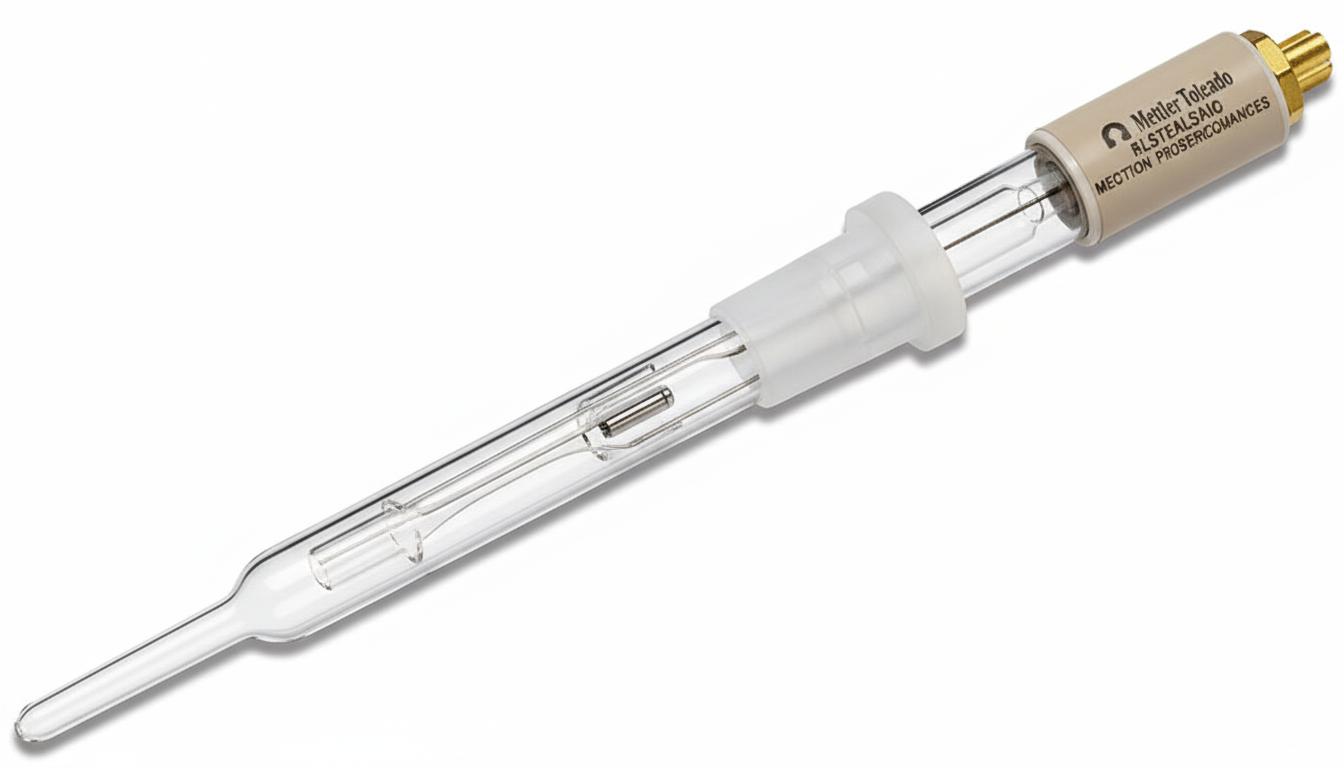
The R501 reference electrode is an essential component in electrochemical measurements, widely used in laboratories, industrial processes, and research environments. It provides a stable and constant potential against which other electrode potentials can be measured. This stability makes it a critical tool for ensuring accuracy and reliability in experiments involving pH measurement, corrosion studies, and electrochemical analysis. Understanding the function and importance of the R501 reference electrode is key for scientists, engineers, and students working in chemistry and related fields.
What is an R501 Reference Electrode
An R501 reference electrode is a type of electrode designed to maintain a fixed and known electrical potential. Unlike working electrodes, which respond to changes in the environment, the reference electrode remains stable regardless of the solution composition. This allows it to serve as a baseline for measuring the potential of other electrodes in a system. The R501 model is known for its durability, precision, and consistent performance, making it a preferred choice in many applications.
Working Principle
The working principle of the R501 reference electrode is based on electrochemical equilibrium. It typically contains an internal electrolyte solution and a metal element that establishes a stable potential. When placed in a solution, it forms a half-cell that does not significantly react with the test environment. The potential difference between the reference electrode and the working electrode is measured, allowing accurate determination of electrochemical properties. The stability of the R501 ensures that fluctuations in readings are minimized.
Construction and Design
The R501 reference electrode is carefully constructed to maintain its reliability over time. It usually consists of a glass or plastic body that houses the internal electrolyte. A porous junction allows ionic contact between the internal solution and the external test solution while preventing contamination. The electrode also includes a metallic element, often silver or another stable material, which helps maintain a consistent potential. This design ensures long-term stability and reduces the need for frequent maintenance.
Types of Reference Electrodes
While the R501 is a specific model, reference electrodes come in various types depending on their internal composition and application. Common types include silver/silver chloride electrodes, calomel electrodes, and hydrogen electrodes. The R501 is often associated with silver/silver chloride systems due to their stability and ease of use. Each type has its advantages, but the R501 stands out for its balance between performance and practicality.
Applications in Laboratories
In laboratory settings, the R501 reference electrode is widely used for pH measurements, titrations, and electrochemical experiments. It plays a crucial role in ensuring accurate results by providing a stable reference point. Researchers rely on it for experiments involving redox reactions, ion-selective electrodes, and conductivity measurements. Its precision makes it indispensable in analytical chemistry.
Industrial Applications
The R501 reference electrode is also used extensively in industrial processes. It is commonly found in corrosion monitoring systems, where it helps assess the degradation of metals in pipelines and structures. In water treatment plants, it assists in monitoring chemical reactions and maintaining water quality. Its robustness allows it to function effectively even in harsh industrial environments.
Advantages of R501 Reference Electrode
One of the main advantages of the R501 reference electrode is its stability. It provides consistent and reliable readings over extended periods. Additionally, it is easy to use and requires minimal maintenance compared to other electrode types. Its durable construction ensures long service life, making it cost-effective for both laboratory and industrial use. The electrode also offers high accuracy, which is essential for precise measurements.
Limitations and Challenges
Despite its many advantages, the R501 reference electrode has some limitations. It may require periodic calibration to maintain accuracy. The porous junction can become clogged over time, affecting performance. Additionally, it must be stored properly to prevent drying out or contamination. Understanding these challenges helps users maintain the electrode effectively and extend its lifespan.
Maintenance and Care
Proper maintenance is essential for ensuring the longevity of the R501 reference electrode. It should be stored in an appropriate solution when not in use to prevent drying. Regular cleaning of the junction helps maintain proper ionic flow. Calibration should be performed periodically to ensure accurate readings. By following these practices, users can maximize the performance and lifespan of the electrode.
Importance in Electrochemistry
The R501 reference electrode plays a vital role in electrochemistry by providing a stable reference point for measurements. Without it, accurate determination of electrode potentials would be difficult. It enables scientists to study chemical reactions, analyze substances, and develop new technologies. Its importance extends across various fields, including environmental science, medicine, and engineering.
Future Developments
Advancements in technology are expected to improve the design and performance of reference electrodes, including the R501. Researchers are working on developing electrodes with longer lifespans, better مقاومت to contamination, and enhanced accuracy. Innovations may also lead to more compact and user-friendly designs, making them accessible for a wider range of applications.
Conclusion
The R501 reference electrode is a fundamental tool in electrochemical analysis, known for its stability, accuracy, and versatility. It is widely used in laboratories and industries for a variety of applications, from pH measurement to corrosion monitoring. While it requires proper maintenance, its benefits far outweigh its limitations. Understanding its working principle, applications, and care methods allows users to utilize it effectively and achieve reliable results in their work.

 English
 Arabic
 French
 Portuguese
 Deutsch
 Turkish
 Dutch
Dutch
 Italiano
 Russian
 Romaian
 Portuguese (Brazil)
 Greek
Greek