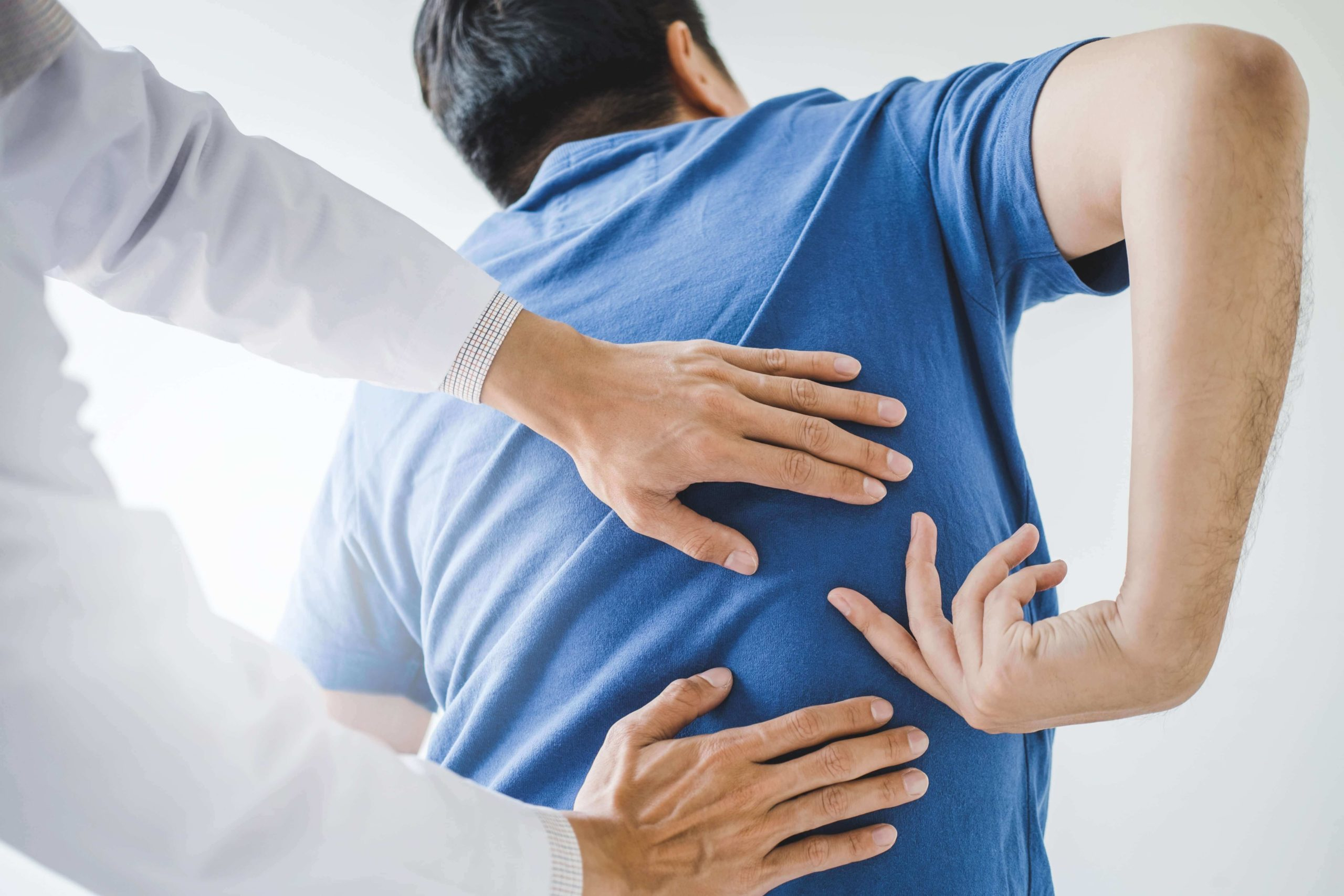
Managing everyday aches and injuries doesn’t always require complex treatments or frequent hospital visits. With the growing popularity of Pain Management At Home, many individuals are relying on simple yet effective methods like heat and cold therapy to ease discomfort. These approaches are easy to use, affordable, and highly effective when applied correctly. Whether you’re dealing with muscle soreness, joint pain, or minor injuries, combining these techniques with guidance from a Doctor at Home can help you achieve faster relief and better recovery without leaving your home.
Understanding Heat Therapy:
Heat therapy works by increasing blood flow to a specific area, which helps relax muscles and reduce stiffness. It is particularly useful for chronic pain and tension caused by tight muscles or poor posture. Applying heat encourages healing by delivering oxygen and nutrients to affected tissues. Common ways to use heat therapy include:
- Heating pads for targeted relief
- Warm baths to relax the entire body
- Hot water bottles for soothing aches
Heat therapy is best suited for ongoing discomfort rather than sudden injuries.
Understanding Cold Therapy:
Cold therapy, also known as cryotherapy, reduces inflammation by constricting blood vessels and numbing the affected area. This makes it ideal for acute injuries or swelling. It helps minimize tissue damage and provides immediate pain relief. You can apply cold therapy using:
- Ice packs wrapped in a cloth
- Cold compresses for sensitive areas
- Frozen gel packs for convenience
Cold therapy is especially effective within the first 24–48 hours after an injury.
Key Differences Between Heat and Cold Therapy:
While both methods aim to relieve pain, they serve different purposes depending on the condition. Understanding their differences can help you choose the most effective option. Key distinctions include:
- Heat increases circulation, while cold reduces it
- Heat relaxes muscles; cold numbs pain and swelling
- Heat is ideal for chronic pain; cold is better for acute injuries
Using the wrong method may delay recovery, so it’s important to match the therapy to your specific needs.
When to Use Heat Therapy:
Heat therapy is most effective when dealing with long-term or recurring pain conditions. It helps loosen tight muscles and improves flexibility, making daily activities more comfortable. Situations where heat therapy works best include:
- Muscle stiffness or tension
- Chronic back or neck pain
- Joint discomfort without swelling
Applying heat regularly can improve mobility and reduce persistent discomfort over time.
When to Use Cold Therapy:
Cold therapy is the go-to solution for sudden injuries or inflammation. It helps control swelling and provides immediate numbing relief, making it highly effective in the early stages of pain. Use cold therapy in cases such as:
- Sprains or strains
- Swelling or inflammation
- Minor injuries or bruises
Prompt application can prevent the condition from worsening and speed up recovery.
Combining Heat and Cold Therapy:
In some cases, alternating between heat and cold therapy can provide enhanced results. This method, often referred to as contrast therapy, helps stimulate blood flow while reducing inflammation. It can be particularly beneficial for certain types of pain. Benefits of combining both include:
- Improved circulation
- Reduced swelling and stiffness
- Faster recovery from muscle fatigue
For best results, alternate between heat and cold at regular intervals based on your comfort level.
Safety Tips for Using Thermal Therapy:
While heat and cold therapy are generally safe, improper use can lead to skin irritation or injury. Following basic safety guidelines ensures effective and risk-free treatment. Important precautions include:
- Avoid applying extreme temperatures directly to the skin
- Limit sessions to 15–20 minutes
- Use protective layers like towels or cloth
If you experience unusual discomfort, it’s advisable to consult a Doctor at Home for proper guidance.
Common Mistakes to Avoid:
Many people misuse heat and cold therapy, which can reduce effectiveness or worsen the condition. Being aware of common mistakes can help you achieve better results. Avoid:
- Using heat on fresh injuries with swelling
- Applying ice for too long without breaks
- Ignoring persistent or worsening pain
Correct usage is essential for maximizing the benefits of these therapies.
Supporting Pain Relief with Lifestyle Habits:
Thermal therapy works best when combined with healthy lifestyle practices. Simple daily habits can enhance the effectiveness of your pain management routine. Consider:
- Staying active with gentle exercise
- Maintaining proper posture
- Eating a balanced, anti-inflammatory diet
These habits support overall well-being and make Pain Management At Home more effective.
When to Seek Professional Help:
Although heat and cold therapy are highly effective for mild to moderate pain, some conditions require professional attention. Ignoring serious symptoms can lead to complications. Seek help if you notice:
- Severe or persistent pain
- Swelling that doesn’t improve
- Limited mobility or worsening symptoms
In such cases, consulting a healthcare professional or a Doctor at Home ensures accurate diagnosis and proper treatment.
Final Thoughts:
Choosing between heat and cold therapy depends on the type and timing of your pain. Both methods offer unique benefits and can be powerful tools for relieving discomfort when used correctly. By understanding when and how to apply each technique, you can take full advantage of Pain Management At Home and improve your daily comfort. With consistent care, mindful habits, and the right approach, managing pain at home becomes simple, effective, and empowering.

 English
 Arabic
 French
 Spanish
 Portuguese
 Deutsch
 Turkish
 Dutch
Dutch
 Italiano
 Russian
 Portuguese (Brazil)
 Greek
Greek