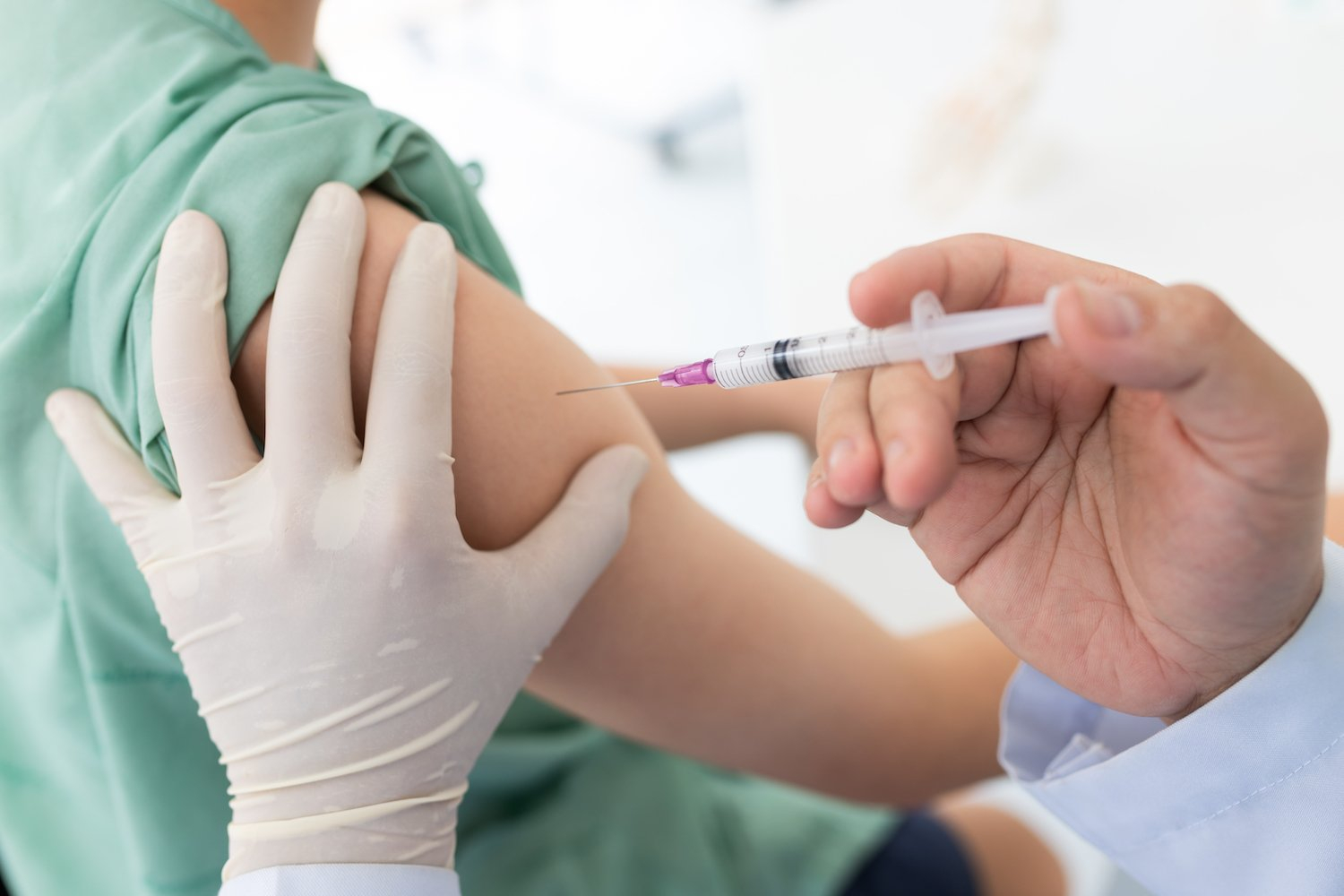
The growing demand for convenient healthcare has led to an increase in services like Injection at Home in Dubai, allowing patients to receive essential treatments without visiting a clinic. When paired with the support of a Doctor at Home, this approach ensures that medical care remains accessible, efficient, and patient-centered. However, while home-based injections offer comfort and flexibility, it is crucial to follow proper safety practices to ensure effective treatment and avoid complications.
Understanding the Basics of Home Injection Administration:
Administering injections at home requires a clear understanding of the procedure, including the type of injection, dosage, and proper technique. Patients or caregivers must be well-informed about whether the injection is intramuscular, subcutaneous, or intravenous, as each requires a different method. Proper training from a healthcare professional is essential before attempting any at-home administration. This knowledge helps reduce errors, ensures accurate medication delivery, and promotes confidence in handling medical tasks outside a clinical environment.
Maintaining Hygiene and Sterility:
Hygiene is one of the most critical aspects of safe injection practices at home. A clean environment minimizes the risk of infections and ensures patient safety during the procedure. Before administering an injection, hands should be thoroughly washed, and all equipment must be sterilized or pre-packaged. Important hygiene practices include:
- Using alcohol swabs to disinfect the injection site
- Ensuring needles and syringes are sterile and single-use
- Avoiding contact with non-sterile surfaces
- Disposing of used materials in proper medical waste containers
Maintaining these standards is essential for preventing contamination and safeguarding overall health.
Proper Storage and Handling of Medications:
Medications used for injections often have specific storage requirements that must be strictly followed. Some need refrigeration, while others should be kept at room temperature away from direct sunlight. Incorrect storage can reduce the effectiveness of the medication or even make it unsafe. Patients should always check expiration dates and follow guidelines provided by healthcare professionals or pharmacists. Proper handling also includes avoiding shaking medications that require gentle mixing and ensuring vials are securely closed after use.
Correct Injection Techniques:
Using the right technique is vital to ensure the medication is delivered effectively and without causing harm. Each type of injection has its own method, including the angle of insertion, depth, and site selection. Common best practices include choosing appropriate injection sites, rotating those sites to avoid tissue damage, and inserting the needle smoothly to minimize discomfort. Patients should also be aware of how to handle minor issues such as slight bleeding or swelling after the injection.
Monitoring for Side Effects and Reactions:
After administering an injection, it is important to monitor the patient for any immediate or delayed reactions. While many injections are routine, some individuals may experience side effects ranging from mild irritation to more serious allergic responses. Being observant helps in taking timely action if needed. Warning signs to watch for include:
- Redness, swelling, or pain at the injection site
- Fever or unusual fatigue
- Difficulty breathing or allergic reactions
- Persistent discomfort or unusual symptoms
If any concerning symptoms arise, seeking medical advice promptly is essential to prevent complications.
Safe Disposal of Medical Waste:
Proper disposal of used needles and syringes is a key component of safe home injection practices. Improper disposal can pose risks to others and the environment. Patients should use designated sharps containers to store used items and ensure they are disposed of according to local medical waste guidelines. Never reuse needles or throw them in regular trash bins, as this can lead to injuries or contamination.
Importance of Professional Guidance:
Even though home injection services provide convenience, professional supervision remains crucial. Healthcare providers offer training, guidance, and support to ensure procedures are carried out safely. Regular consultations help patients stay informed about their treatment plans and address any concerns. This professional involvement enhances confidence and ensures that home-based care maintains the same standards as clinical settings.
Creating a Comfortable and Organized Setup:
A well-prepared environment contributes significantly to the success of at-home injections. Patients should choose a clean, well-lit area with all necessary supplies readily available. Organizing equipment beforehand reduces stress and minimizes the chances of mistakes. Comfort also plays a role, as a relaxed patient is less likely to experience anxiety or discomfort during the procedure. Taking time to prepare both physically and mentally can improve the overall experience.
Final Thoughts:
Safe injection practices at home are essential for ensuring effective treatment and protecting patient health. With services like Injection at Home in Dubai becoming increasingly popular, following proper guidelines for hygiene, technique, and monitoring is more important than ever. By combining convenience with responsibility and professional support, patients can confidently manage their healthcare needs in the comfort of their own homes.

 Arabic
 French
 Spanish
 Portuguese
 Deutsch
 Turkish
 Dutch
Dutch
 Italiano
 Russian
 Romaian
 Portuguese (Brazil)
 Greek
Greek