


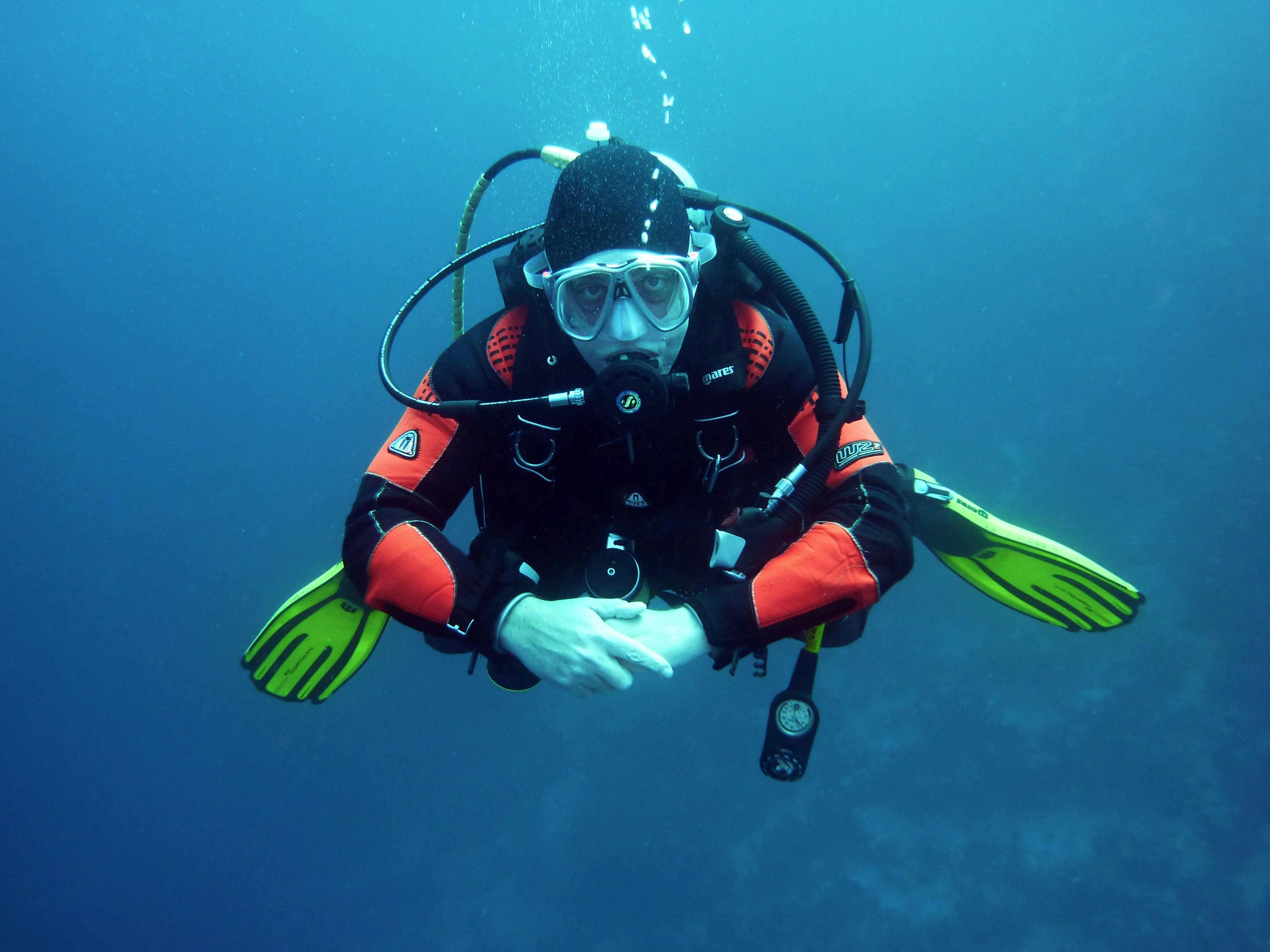
Picture this: a diver flies in from Atlanta, books a hotel in Ventura for four nights, and shows up at the dock on day one only to hear the words no diver ever wants. "Trip cancelled. Seas too rough." No backup plan. No flexibility. Just four nights in a hotel scrolling weather apps and hoping.
Now picture a different diver. Same destination, same unpredictable California weather. But she built a five-day window, knew which mainland shore sites to hit as backups, packed her prescription lenses in scuba mask, and spent her "bad weather" day doing a checkout dive at a local site. By day three, she was hovering inside a cathedral of giant kelp with a California sea lion doing barrel rolls around her fin tips.
Channel Islands scuba diving offers some of North America's most spectacular temperate water diving. NOAA has called the sanctuary the "Galapagos of North America", and that comparison holds up underwater. Poor planning, though, turns this world-class destination into a frustrating, expensive disappointment. This guide covers the exact planning framework experienced Channel Islands divers use to maximise dive days, choose the right sites, and prepare for California's unique underwater environment.
1. Ignoring Seasonal Conditions
Getting the timing right is the single biggest variable in whether your trip succeeds or fails.
Fall (September through November) is widely considered the sweet spot. Plankton blooms settle, visibility regularly pushes 60 to 100 feet, kelp forests are at their densest, and sea lion pups from the summer breeding season have grown into playful juveniles who are endlessly curious about divers. If you have one trip window to choose, aim for October.
Summer (June through September) brings the calmest seas and most reliable boat departures, but warmer surface temperatures trigger plankton blooms that can drop visibility to 15 to 30 feet. It is the most beginner-friendly season from a sea conditions standpoint, but divers who prioritise visibility often leave underwhelmed.
Winter (December through February) brings the most challenging conditions, with northerly swells running 8 to 12 feet and cancellation rates climbing significantly. Divers who hit a good weather window can experience extraordinary visibility, sometimes exceeding 100 feet, and blue whale sightings become possible along the migration corridor.
Spring (March through May) is transitional. Gray whales pass through during migration, the kelp begins its seasonal growth surge, and boat traffic is lighter than summer.
Seasonal species worth planning around include blue sharks in summer and fall, ocean sunfish in late summer, and migrating gray and blue whales from December through April. Garibaldi, California's state marine fish, are visible year-round throughout the kelp zones.
2. Choosing the Wrong Island for Your Skill Level
The five Channel Islands each offer a distinct experience. Mismatching your abilities to the site is one of the most consistent planning mistakes.
Anacapa Island sits roughly 14 miles from the mainland, about 1 to 1.5 hours from Channel Islands Harbour by boat. Protected coves on the eastern end buffer surge and current, making it the logical entry point for newer Channel Islands divers. Cathedral Cove offers dense kelp canopy with abundant rockfish and garibaldi at depths of 20 to 60 feet. The Arch is a natural swim-through at 30 to 40 feet and one of the most photographed dive sites in Southern California.
Santa Cruz Island is the most diverse diving in the chain. The south shore is accessible to intermediate divers; the north shore rewards advanced divers with dramatic rocky terrain, caves, and consistent pelagic encounters. One important note: Painted Cave, one of the world's largest sea caves, is a kayak and surface exploration site only. Many divers arrive expecting to dive it and are disappointed.
Santa Rosa and San Miguel are advanced expeditions. San Miguel can require 4 to 5 hours of boat travel each way and is primarily accessible through multi-day liveaboard trips. The payoff is extraordinary. Point Bennett on San Miguel hosts one of the largest concentrations of pinnipeds in the world, with six species using the site, including elephant seals and Steller sea lions. Water temperatures at San Miguel can drop below 50°F, and Advanced Open Water certification is the practical minimum.
3. Underestimating Cold Water Demands
The Channel Islands are not tropical diving. First-time visitors from warm-water destinations consistently underestimate how cold 55°F water feels at depth, particularly during multi-dive days.
Approximate water temperatures by season:
● Summer: 60 to 65°F at the surface, cooler with depth
● Fall: 57 to 62°F
● Winter: 50 to 57°F
● Spring: 52 to 58°F
Minimum recommended thermal protection:
● 7mm wetsuit with hood and gloves for summer and fall
● Drysuit strongly recommended for winter diving and outer island expeditions
● Thermal undergarment for multi-dive days, even in a wetsuit
If you're flying in and renting gear, confirm in advance that rental 7mm suits are available in your size. Bringing your own hood and gloves is always the safer call.
Vision correction is another cold water consideration that divers often overlook. Contacts in cold, surgy water carry real risk of water intrusion, and standard stock lens masks won't cut it if your prescription is anything beyond basic. A custom prescription dive mask gives you reliable clarity when you're reading gauges at a safety stop or navigating kelp with limited ambient light. A properly bonded single lens prescription mask also resists fogging during cold water entries far better than cheap insert options.
4. Skipping Operator Research
Not all operators run the same experience. Ask specific questions before booking:
● What is the diver-to-guide ratio? Look for 8:1 or better on guided dives.
● Do you offer nitrox fills onboard?
● What is your cancellation and rebooking policy for weather?
● What experience prerequisites apply to specific sites?
● How old is your vessel, and when was it last inspected?
Reputable operators answer these questions without hesitation. Operators who ask about your logbook before taking you to advanced sites are the ones worth trusting.
Day boats depart from Channel Islands Harbour in Oxnard or Santa Barbara, typically offering 2 to 3 dives per day. Pricing generally ranges from $150 to $220 per person, including tanks and weights.
Liveaboards allow 4 to 5 dives per day, including night dives, and are essential for outer island access. Multi-day trips to Santa Rosa and San Miguel typically run $400 to $700 per person per day, all-inclusive. Night diving at anchor in the Channel Islands is an experience genuinely difficult to replicate elsewhere.
For a first Channel Islands trip, a day boat to Anacapa followed by a day to Santa Cruz is a logical progression. For experienced divers chasing outer island encounters or exceptional visibility, a liveaboard is the only practical option.
5. Building No Schedule Flexibility
The golden rule for Channel Islands diving: never book exactly as many days as you intend to dive. A four-dive trip needs a five or six day window, minimum.
Weather forecasting resources worth bookmarking:
● NOAA Marine Forecasts (weather.gov) for wind and swell data specific to the Channel Islands
● Windfinder.com for visualised swell, wind direction, and period data
● Surfline for swell modelling, particularly useful for assessing northwest swell impact on departure feasibility
Trip insurance is strongly recommended for out-of-state visitors. Look specifically for dive travel policies that cover weather cancellations and non-refundable hotel costs, not just medical evacuation.
6. Arriving Without a Skills Refresher
Open Water certification is the technical minimum for most Channel Islands sites, but the practical reality is more nuanced. Boat diving requires comfort with entries from a rolling deck, managing gear on a moving platform, and surface swims in open water with swell. Many divers with fewer than 20 logged dives struggle with these demands even when they meet the certification threshold.
Specific skills to practice before your trip:
● Buoyancy control in a 7mm wetsuit (thick neoprene changes your weighting significantly)
● Kelp navigation, which means moving through the canopy rather than fighting it
● Surface signalling and SMB deployment
● Shore or pool checkout dives if it has been more than six months since your last dive
If you're coming from warm water diving, plan at least one local cold-water dive before your Channel Islands trip. The thermal adjustment to 55°F water is jarring, and your first exposure to it should not be on a multi-dive liveaboard 40 miles offshore.
7. Planning Zero Contingency
When island trips cancel, the Ventura and Santa Barbara coastlines offer legitimate backup diving. Leo Carrillo State Beach, Refugio State Beach, and the Ventura Pier area all have accessible shore diving with kelp forest environments. These are not Channel Islands quality, but they beat sitting in a hotel room, and they work well as skills refreshers before heading offshore.
Non-diving alternatives in the region include the Channel Islands National Park Visitor Center in Ventura, kayaking tours when surface conditions allow, and California seafood dining in Santa Barbara for a different kind of decompression.
Build one mainland backup plan before you travel. A weather day becomes a different dive day instead of a wasted one.
Your Pre-Trip Checklist
Here are the seven mistakes this guide is designed to prevent: booking without seasonal awareness, choosing the wrong island for your skill level, underestimating cold water thermal demands, skipping operator research, building no schedule flexibility, arriving with unresolved vision or skills gaps, and planning with zero contingency.
Every one of these is fixable before you book.
Action items:
1. Match your travel dates to the seasonal visibility and marine life calendar
2. Honestly assess your certification level and recent cold-water experience
3. Call at least two operators with specific questions from this guide
4. Book with a buffer day built in at each end
5. Source your 7mm wetsuit, hood, and gloves before you travel
6. If you need vision correction, sort your prescription dive mask before you leave home
7. Build one mainland backup dive plan so a weather cancellation becomes a different kind of dive day
Channel Islands National Park diving rewards preparation with experiences that stay with divers for decades. Do the work upfront, and the sea lions will take care of the rest.

 English
 Arabic
 French
 Portuguese
 Deutsch
 Turkish
 Dutch
Dutch
 Italiano
 Russian
 Romaian
 Portuguese (Brazil)
 Greek
Greek