


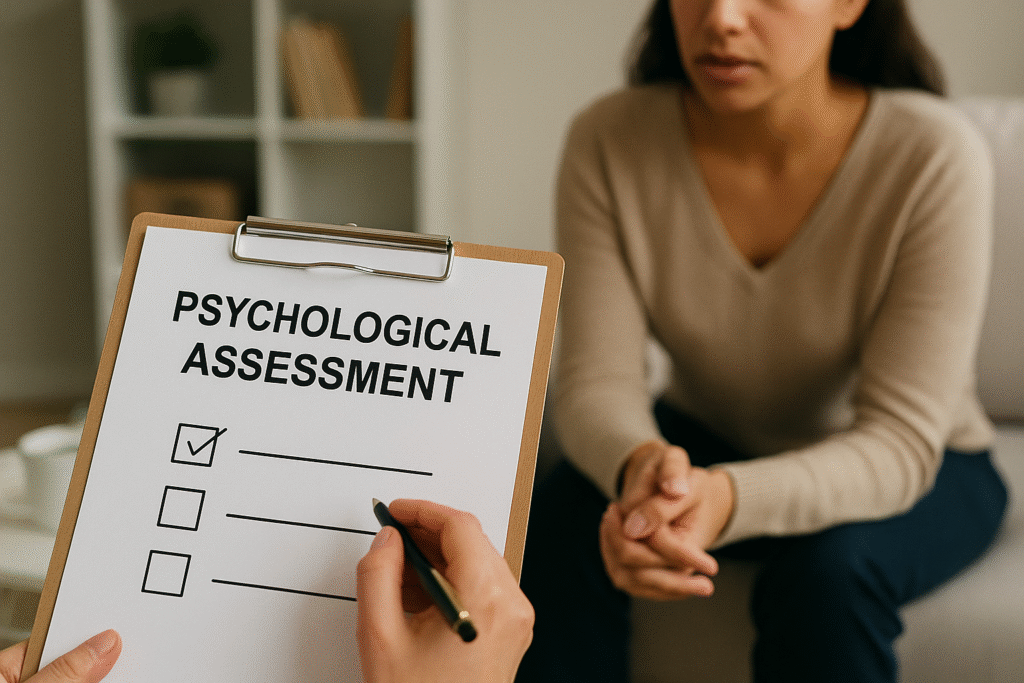
Psychological assessments play an essential role in understanding emotional, behavioral, cognitive, and developmental challenges in both children and adults. A specialized psychological assessment provides a detailed evaluation designed to identify underlying concerns, clarify diagnoses, and create effective support strategies tailored to an individual’s needs.
At Rocky Mountain Psychological Services, specialized assessments are designed to provide families, students, and individuals with a deeper understanding of how emotional, cognitive, and behavioral factors affect daily functioning, learning, and relationships. Their experienced team focuses on evidence-based evaluations that offer practical recommendations and long-term guidance.
What Is a Specialized Psychological Assessment?
A specialized psychological assessment is a comprehensive evaluation used to better understand how a person thinks, learns, behaves, and processes emotions. Unlike brief screening tools or online questionnaires, these assessments involve in-depth clinical interviews, standardized testing, behavioral observations, and professional interpretation by qualified psychologists.
These assessments can help identify:
- ADHD and attention difficulties
- Learning disabilities
- Autism spectrum disorders
- Anxiety and depression
- Emotional regulation challenges
- Behavioral concerns
- Giftedness
- Trauma-related difficulties
- Cognitive and developmental delays
The goal of the assessment is not simply to provide a diagnosis, but to understand the full picture of an individual’s strengths, challenges, and support needs.
Why Specialized Assessments Matter
Many emotional or academic struggles can appear similar on the surface. For example, difficulties with concentration could be related to ADHD, anxiety, learning disorders, trauma, or emotional stress. Without a proper evaluation, it may be difficult to understand the true cause of the problem.
A specialized psychological assessment helps uncover these underlying factors and explains how different challenges may interact with each other. This allows families, educators, and healthcare providers to create more effective treatment plans and support systems.
At RMPS, assessments are designed to go beyond test scores. Their professionals examine cognitive functioning, emotional well-being, academic performance, behavioral patterns, and developmental history to provide a more complete understanding of each individual.
Who Can Benefit From a Psychological Assessment?
Psychological assessments can benefit children, teenagers, and adults who may be experiencing ongoing emotional, academic, social, or behavioral difficulties.
Some common signs that an assessment may be helpful include:
- Persistent struggles in school or learning difficulties
- Difficulty focusing or staying organized
- Emotional outbursts or mood swings
- Social challenges and relationship difficulties
- Anxiety, stress, or depression
- Behavioral concerns at home or school
- Delayed developmental milestones
- Problems with memory, attention, or executive functioning
- Previous interventions that have not been successful
Parents often seek assessments when they notice their child struggling despite academic support or therapy. Early identification can lead to more targeted interventions and improved long-term outcomes.
The Assessment Process
A specialized psychological assessment typically includes several important steps to ensure accurate and meaningful results.
Clinical Interview
The psychologist gathers detailed information about medical history, emotional functioning, developmental milestones, academic performance, and behavioral concerns.
Standardized Testing
Various evidence-based tools are used to evaluate cognitive abilities, academic skills, attention, memory, emotional functioning, and behavioral patterns.
Behavioral Observation
Psychologists observe how the individual responds during testing, communicates emotions, and handles problem-solving tasks.
Comprehensive Report
After analyzing the results, the psychologist provides a detailed report explaining the findings, diagnoses if applicable, and personalized recommendations for support at home, school, or work.
Follow-Up Guidance
Many clinics, including Rocky Mountain Psychological Services, also help families understand the results and implement practical strategies to improve functioning and emotional well-being.
Benefits of Specialized Psychological Assessments
A professional assessment provides clarity and direction during difficult situations. Understanding the root causes behind challenges can reduce frustration for both individuals and families while helping create effective solutions.
Key benefits include:
- Accurate diagnosis and understanding
- Personalized treatment recommendations
- Improved academic and workplace support
- Better emotional and behavioral management
- Stronger communication between families and professionals
- Increased self-awareness and confidence
- Access to accommodations and support services
These assessments can also help individuals recognize their strengths and build strategies that improve daily functioning and overall quality of life.
Choosing the Right Assessment Provider
Choosing an experienced and qualified psychological services provider is extremely important. Assessments should be conducted by trained professionals who understand developmental psychology, emotional health, and evidence-based testing methods.
At Rocky Mountain Psychological Services, families receive compassionate, individualized care focused on providing meaningful insights and practical solutions. Their team works collaboratively with parents, schools, and healthcare providers to ensure individuals receive the support they need for long-term success.

 English
 Arabic
 French
 Spanish
 Deutsch
 Turkish
 Dutch
Dutch
 Italiano
 Russian
 Romaian
 Portuguese (Brazil)
 Greek
Greek