


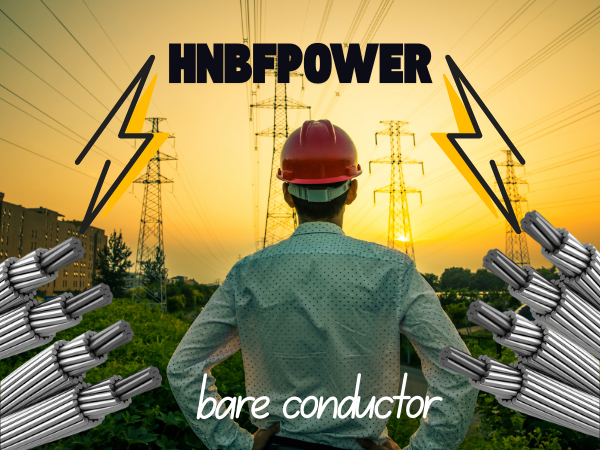
In modern power transmission and distribution networks, choosing the right bare conductor is not just a technical decision it directly impacts system efficiency, long-term reliability, and overall project cost. Engineers, EPC contractors, and procurement teams often face challenges such as conductor losses, mechanical failure risks, and environmental constraints.
In this guide, we will explain how to select the right bare conductor, explore key conductor types, and provide practical insights to help you optimize performance while minimizing operational risks.
What Is a Bare Conductor?
A bare conductor is an electrical conductor without insulation, primarily used in overhead transmission and distribution systems. These conductors are designed to carry electrical current efficiently while withstanding mechanical stress and environmental exposure.
Bare conductors are widely used in:
- High-voltage transmission lines
- Medium- and low-voltage distribution networks
- Substation busbars
- Rural and urban electrification projects
Their performance depends heavily on material composition, strand design, and installation conditions.
Types of Bare Conductors and Their Applications
1. AAC (All Aluminum Conductor)
AAC conductors are made entirely of aluminum strands and are known for their high conductivity.
Key Advantages:
- Excellent electrical conductivity
- Lightweight structure
- Cost-effective for short spans
Best Applications:
- Urban distribution networks
- Areas with low mechanical stress requirements
2. AAAC (All Aluminum Alloy Conductor)
AAAC conductors use aluminum alloy instead of pure aluminum, offering better strength.
Key Advantages:
- Higher strength-to-weight ratio
- Better corrosion resistance
- Longer lifespan in coastal or industrial areas
Best Applications:
- Medium and long-span distribution lines
- Corrosive environments
3. ACSR (Aluminum Conductor Steel Reinforced)
ACSR combines aluminum strands with a steel core to enhance mechanical strength.
Key Advantages:
- High tensile strength
- Suitable for long spans
- Reliable under heavy load conditions
Best Applications:
- High-voltage transmission lines
- Mountainous and windy regions
4. Bare Copper Conductors
Although less common due to cost, copper conductors offer superior conductivity.
Key Advantages:
- Low electrical resistance
- High durability
Best Applications:
- Specialized industrial applications
- Grounding systems
Key Factors to Consider When Selecting a Bare Conductor
Electrical Performance
The conductor must efficiently carry the required current with minimal losses. Factors such as resistivity and current-carrying capacity are critical.
Mechanical Strength
For overhead installations, conductors must withstand:
- Wind loads
- Ice loads
- Tension over long spans
ACSR is often preferred where mechanical strength is a priority.
Environmental Conditions
Environmental exposure significantly impacts conductor lifespan. Consider:
- Corrosion resistance in coastal areas
- Temperature variations
- Pollution levels
AAAC is ideal for harsh environments due to its superior corrosion resistance.
Cost vs. Lifecycle Value
Initial cost should not be the only deciding factor. Evaluate:
- Installation cost
- Maintenance requirements
- Expected service life
A slightly higher upfront investment can result in lower long-term costs.
Common Challenges in Bare Conductor Projects
1. Energy Loss and Efficiency Issues
Poor conductor selection can lead to high transmission losses, affecting overall grid efficiency.
Solution:
Select conductors with optimal conductivity and appropriate cross-sectional area.
2. Mechanical Failure Risks
Inadequate tensile strength may result in sagging or breakage under stress.
Solution:
Use reinforced conductors like ACSR for high-load applications.
3. Corrosion and Environmental Damage
Exposure to moisture, chemicals, and pollutants can degrade conductors over time.
Solution:
Choose corrosion-resistant materials such as AAAC.
4. Installation and Maintenance Complexity
Improper installation can reduce conductor performance and lifespan.
Solution:
Work with experienced manufacturers and follow standardized installation practices.
How HNBF Power Supports Your Bare Conductor Needs
HNBF Power is a global manufacturer specializing in overhead conductors and power cable solutions, including AAC, AAAC, ACSR, ABC cables, and more.
For utilities, EPC contractors, and procurement teams, HNBF Power offers:
- Customized conductor solutions tailored to project specifications
- Strict quality control ensuring compliance with international standards
- Advanced manufacturing processes for consistent performance
- Technical support for conductor selection and project planning
By aligning product design with real-world grid challenges, HNBF Power helps clients achieve higher efficiency and reliability in power transmission systems.
Best Practices for Bare Conductor Installation
Proper Sag and Tension Control
Maintaining correct sag ensures safe clearance and prevents mechanical stress.
Use of High-Quality Accessories
Clamps, spacers, and fittings must match conductor specifications to avoid damage.
Regular Inspection and Maintenance
Routine inspections help detect early signs of wear, corrosion, or damage.
Compliance with Standards
Always follow international standards such as IEC or ASTM to ensure safety and performance.
Future Trends in Bare Conductor Technology
The power industry is evolving, and bare conductor technology is advancing to meet increasing energy demands.
High-Temperature Low-Sag (HTLS) Conductors
These conductors allow higher current capacity without increasing sag.
Advanced Alloy Materials
New materials improve conductivity while maintaining strength and corrosion resistance.
Smart Grid Integration
Modern conductors are being designed to support smart monitoring systems for real-time performance tracking.
FAQs
1. What is the difference between AAC, AAAC, and ACSR conductors?
AAC offers high conductivity but low strength, AAAC provides better corrosion resistance and strength, while ACSR delivers superior mechanical strength for long-span applications.
2. How do I choose the right bare conductor for my project?
Consider electrical load, span length, environmental conditions, and budget. A technical evaluation is essential for optimal selection.
3. Why is ACSR commonly used in transmission lines?
ACSR combines aluminum conductivity with steel strength, making it ideal for high-tension, long-distance transmission.
4. What factors affect the lifespan of a bare conductor?
Environmental conditions, material quality, installation practices, and maintenance frequency all play a role.
5. Can bare conductors be used in harsh environments?
Yes, but selecting corrosion-resistant options like AAAC is critical for durability.
Conclusion
Selecting the right bare conductor is essential for achieving efficient, reliable, and cost-effective power transmission. From material selection to installation practices, every decision impacts system performance and long-term success.
HNBF Power understands the technical and commercial challenges faced by utilities and EPC contractors and delivers high-quality conductor solutions tailored to diverse project needs.
Call to Action
Looking for reliable and high-performance bare conductor solutions for your next project? Contact HNBF Power today to get customized recommendations, technical support, and competitive manufacturing solutions designed for modern power infrastructure.

 English
 Arabic
 French
 Spanish
 Portuguese
 Deutsch
 Dutch
Dutch
 Italiano
 Russian
 Romaian
 Portuguese (Brazil)
 Greek
Greek