


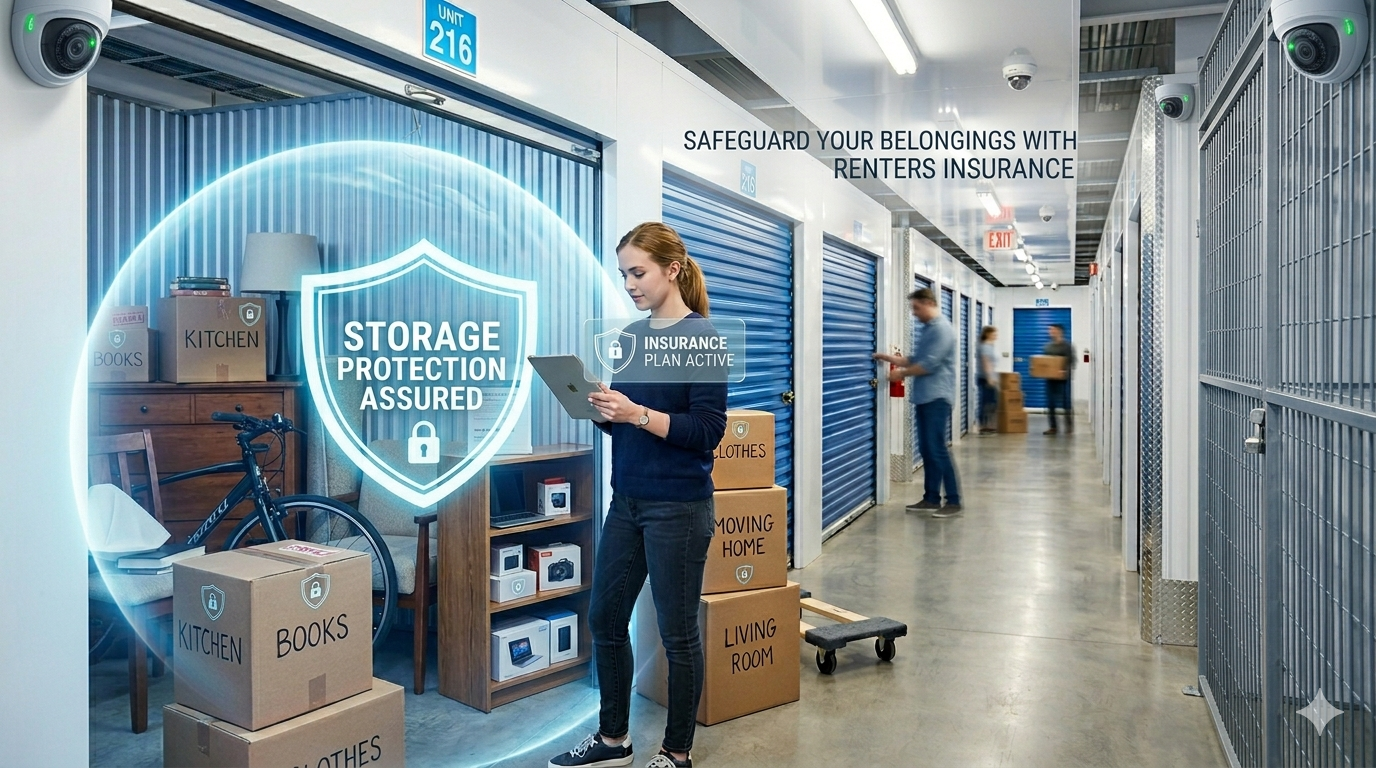
Moving Creates More Storage Risks Than Most Families Expect
Moving into a new home is exciting, but it can also become stressful very quickly. Between packing, organizing, transporting furniture, and managing timelines, many families rent storage units to keep belongings safe during the transition. However, while storage units offer convenience, they also introduce unexpected risks that many people overlook.
This is why renters insurance for storage units has become increasingly popular among families preparing for a move. A storage unit may appear secure from the outside, but accidents and emergencies can happen without warning. Theft, fire, storms, leaks, and vandalism can damage valuable belongings and create major financial losses.
Families who invest in storage protection early often avoid expensive problems later.
Why Families Use Storage Units During Relocation
Temporary storage solves many moving-related challenges.
Delayed Closing Dates
Sometimes families must leave their current property before their new home is ready. Storage units provide temporary space during this gap.
Downsizing to Smaller Homes
Many families moving into apartments or smaller houses use storage units for extra furniture and seasonal items.
Home Renovations Before Moving In
New properties may require repairs or remodeling before furniture can be moved inside safely.
Long-Distance Relocation
Cross-country or international moves often require temporary storage while transportation arrangements are finalized.
The Most Common Risks Inside Storage Facilities
Many renters believe a strong lock is enough protection. Unfortunately, several threats still exist inside modern storage facilities.
Theft and Break-Ins
Storage facilities may contain valuable electronics, furniture, and appliances that attract criminals.
Frequently Stolen Items Include:
- Televisions
- Laptops
- Gaming consoles
- Power tools
- Designer clothing
- Jewelry
Even facilities with cameras and gated access can experience break-ins.
Fire and Smoke Damage
Fires spread quickly because many storage units contain cardboard boxes, furniture, and fabrics.
Fire Damage Can Affect:
- Upholstered furniture
- Mattresses
- Clothing
- Electronics
- Family keepsakes
Smoke damage alone may permanently ruin stored belongings.
Water and Moisture Damage
Water-related damage is more common than most renters realize.
Causes of Water Damage:
- Roof leaks
- Flooding
- Broken pipes
- Heavy storms
- Condensation buildup
Moisture can destroy documents, wooden furniture, and electronics very quickly.
How Renters Insurance for Storage Units Helps Families
Storage insurance provides financial protection when unexpected incidents occur.
Coverage Often Includes:
- Theft protection
- Fire damage coverage
- Smoke damage protection
- Vandalism coverage
- Windstorm protection
- Certain water-related incidents
Coverage varies depending on the provider and policy type.
Financial Protection Matters
Replacing furniture and appliances after a disaster can become extremely expensive.
Example Replacement Costs:
| Item | Estimated Cost |
|---|---|
| Sofa set | $2,000 |
| Bedroom furniture | $3,500 |
| Electronics | $2,500 |
| Appliances | $2,000 |
Many families underestimate how valuable their stored belongings actually are.
Why Standard Renters Insurance May Not Be Enough
Some renters already have insurance and assume it fully protects stored items.
Off-Premises Coverage Limits
Standard renters insurance policies often limit coverage for belongings stored away from home.
Example:
- Total renters coverage: $40,000
- Off-site storage limit: 10%
- Actual storage protection: $4,000
That amount may not fully cover valuable belongings inside larger storage units.
Dedicated Storage Insurance Offers More Flexibility
Specialized storage insurance may provide:
- Higher coverage limits
- Faster claims
- Storage-specific protection
- More customizable plans
Smart Packing Habits Families Should Follow
Insurance is important, but prevention also matters.
Use Waterproof Containers
Plastic bins protect better than cardboard boxes in humid conditions.
Keep Items Off the Floor
Pallets and shelving help reduce water damage risks.
Label Fragile Belongings Clearly
This reduces accidental breakage while moving items.
Avoid Overcrowding the Unit
Overpacked units increase the risk of crushing and damage.
Climate-Controlled Storage Is Worth Considering
Temperature-sensitive belongings need extra care during long-term storage.
Climate-Controlled Units Help Protect:
- Electronics
- Artwork
- Leather furniture
- Antiques
- Musical instruments
- Important documents
Stable temperature and humidity levels reduce long-term deterioration.
Why Inventory Documentation Is So Important
Families should always document stored belongings before moving them into storage.
Helpful Documentation Includes:
- Photos of every room
- Receipts for expensive items
- Serial numbers
- Video walkthroughs
Digital backups stored online make future insurance claims much easier.
Questions Families Should Ask Before Buying Storage Insurance
Not every policy provides the same level of protection.
Important Questions Include:
- Is theft fully covered?
- What water damage is included?
- Are electronics protected?
- What are the payout limits?
- Is there a deductible?
- How quickly are claims processed?
Understanding policy details helps families avoid future surprises.
Long-Term Storage Creates Additional Risks
Some families store belongings for months or even years.
Long-Term Risks Include:
- Mold growth
- Pest infestations
- Humidity damage
- Corrosion
- Fabric deterioration
The longer items remain stored, the more valuable insurance protection becomes.
Why More Families Are Buying Storage Insurance Today
Modern lifestyles continue increasing the demand for self-storage.
Common Reasons Include:
- Remote work relocation
- Apartment living
- Temporary housing
- Renovations
- Growing families
- Business inventory storage
As storage usage increases, awareness about financial protection continues growing as well.
Choosing the Right Storage Facility Matters Too
Insurance works best when combined with strong facility security.
Families Should Look For:
- Gated access
- Security cameras
- Bright lighting
- On-site management
- Alarm systems
- Clean surroundings
Secure facilities reduce risk while insurance protects against financial loss.
Final Thoughts
Moving already creates enough stress without worrying about damaged or stolen belongings. Storage units provide flexibility during relocation, but they also expose valuable possessions to risks many families do not anticipate.
Choosing renters insurance for storage units helps protect furniture, electronics, clothing, and sentimental belongings from theft, fire, storms, and water damage. Combined with secure facilities, smart packing habits, and proper documentation, insurance provides important peace of mind during one of life’s busiest transitions.
Families who prepare early are far more likely to avoid expensive problems and protect the belongings that matter most.

 English
 French
 Spanish
 Portuguese
 Deutsch
 Turkish
 Dutch
Dutch
 Italiano
 Russian
 Romaian
 Portuguese (Brazil)
 Greek
Greek