


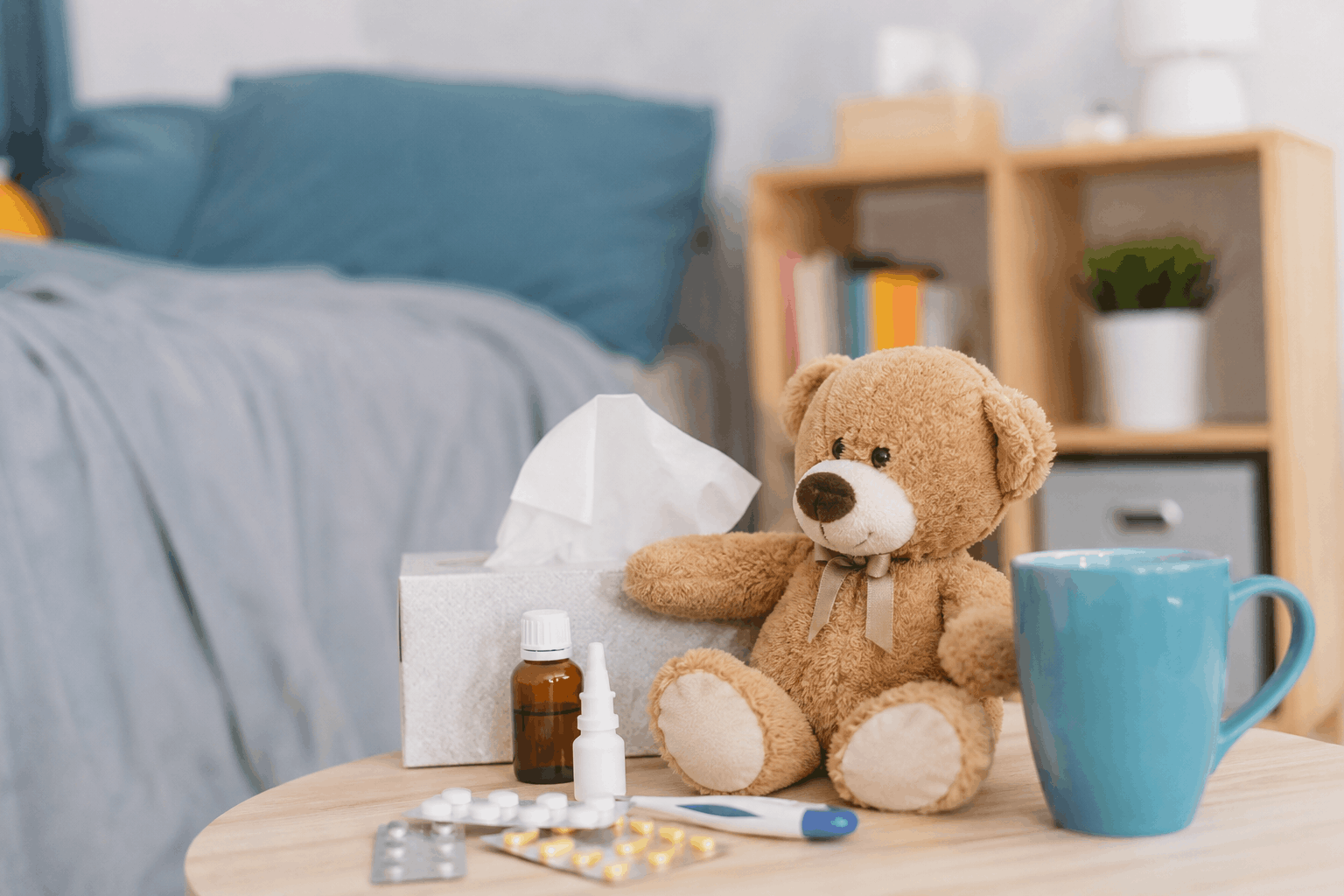
Children get sick more often than adults, especially during the early years when their immune systems are still developing. Exposure to schools, daycare centers, playgrounds, and group activities increases the chances of picking up infections throughout the year. While most childhood illnesses are mild and manageable, understanding the symptoms and knowing when to seek medical care can help parents respond with more confidence.
Learning about common childhood illnesses also helps families recognize patterns early and support healthier routines at home.
Why Children Frequently Get Sick
Children naturally encounter more germs as they grow and interact with other children. Their immune systems are still learning how to respond to viruses and bacteria, which is why frequent colds and infections are common during infancy and elementary school years.
In areas like Woodside, where many families encourage outdoor activities, sports, and social interaction, children are often exposed to a variety of seasonal illnesses throughout the year. While this exposure helps strengthen the immune system over time, parents should still monitor symptoms carefully and maintain regular pediatric checkups.
Common Cold
The common cold is one of the most frequent illnesses children experience. It is caused by viruses that affect the upper respiratory system and usually spreads easily in schools and daycare settings.
Children with a cold may develop symptoms such as a runny nose, sneezing, mild coughing, sore throat, congestion, or low fever. In most cases, symptoms improve within several days with rest, fluids, and supportive care at home.
Parents should contact a healthcare provider if cold symptoms become severe, last longer than expected, or interfere with breathing or hydration.
Ear Infections
Ear infections are especially common in infants and younger children because their ear structures are still developing. These infections often occur after a cold or sinus congestion.
A child with an ear infection may pull at their ears, become unusually irritable, develop a fever, or have difficulty sleeping. Some children may also experience temporary hearing difficulties or reduced appetite.
While some ear infections improve on their own, others require medical treatment. Pediatric doctor guidance is important to determine whether antibiotics or further evaluation may be needed.
Stomach Viruses
Stomach viruses are another common childhood illness and can spread quickly among children in shared environments. These infections typically affect the digestive system and may lead to dehydration if symptoms become severe.
Children with a stomach virus may experience vomiting, diarrhea, stomach cramps, fatigue, or fever. During recovery, keeping children hydrated becomes one of the most important priorities.
Parents should watch for signs of dehydration such as dry lips, reduced urination, unusual sleepiness, or difficulty keeping fluids down.
Flu
The flu tends to be more intense than the common cold and can affect children quite suddenly. Symptoms often appear quickly and may include high fever, body aches, chills, fatigue, congestion, and persistent coughing.
Because flu symptoms can sometimes lead to complications, especially in younger children, preventive care plays an important role. Annual flu vaccinations, healthy sleep routines, and proper hygiene habits can help reduce the risk of severe illness.
Strep Throat
Strep throat is a bacterial infection that commonly affects school age children. Unlike viral sore throats, strep throat often develops without common cold symptoms.
Children with strep throat may complain of severe throat pain, difficulty swallowing, fever, swollen glands, or stomach discomfort. White patches in the throat may also appear in some cases.
Since strep throat is caused by bacteria, medical testing and proper treatment are important to prevent complications and reduce the spread to others.
Hand, Foot, and Mouth Disease
Hand, foot, and mouth disease is a viral illness that spreads easily among younger children, especially in daycare and preschool environments.
Children with this condition may develop fever, painful mouth sores, reduced appetite, and a rash that appears on the hands and feet. Although symptoms can be uncomfortable, most children recover fully within a week.
Supportive care, hydration, and rest are usually enough during recovery.
Allergies
Not every recurring symptom is related to an infection. Seasonal and environmental allergies are becoming increasingly common among children.
Children with allergies may experience ongoing sneezing, itchy eyes, nasal congestion, coughing, or skin irritation. These symptoms often appear during certain seasons or after exposure to environmental triggers like pollen or dust.
Identifying allergy triggers early can help improve a child’s comfort and reduce long-term irritation.
Asthma and Breathing Concerns
Some children experience ongoing breathing issues related to asthma or other respiratory conditions. Symptoms may include wheezing, frequent coughing, chest tightness, or shortness of breath.
These symptoms may become worse during exercise, allergy seasons, or respiratory infections. Early diagnosis and regular monitoring help children manage symptoms more effectively and stay active safely.
Skin Conditions in Children
Skin conditions such as eczema, rashes, and minor infections are also common during childhood. These issues may appear due to allergies, irritation, dry skin, or infections.
Parents should pay attention to persistent itching, inflamed skin, unusual rashes, or signs of infection that do not improve over time. Pediatric healthcare tips often include maintaining proper skin hydration and identifying environmental triggers that may worsen symptoms.
The Importance of Preventive Pediatric Care
Routine pediatric visits are about more than treating illnesses. Preventive care helps monitor growth, development, behavior, nutrition, and overall health.
During pediatric checkups, healthcare providers may discuss sleep patterns, eating habits, physical activity, emotional well-being, and developmental milestones. These visits also allow parents to ask questions and address concerns before they become more serious.
In more personalized pediatric care settings, families often benefit from longer discussions and more individualized guidance for managing childhood health concerns.
Knowing When to Seek Medical Attention
While many common childhood illnesses improve with home care, some symptoms should never be ignored.
Parents should seek medical guidance if a child develops difficulty breathing, persistent high fever, severe dehydration, unusual fatigue, worsening symptoms, or ongoing vomiting and diarrhea.
Trusting parental instincts is important. If something feels unusual or concerning, it is always reasonable to contact a healthcare provider.
Building Healthy Habits Early
Healthy daily habits help strengthen children’s immune systems and reduce the spread of illness.
Encouraging regular handwashing, balanced nutrition, physical activity, proper sleep, and routine preventive care can support healthier childhood development over time.
In communities like Woodside, where many families focus on active lifestyles and preventive wellness, these habits often become part of a child’s everyday routine from an early age.
The Bottom Line
Childhood illnesses are a normal part of growing up, but understanding symptoms and knowing how to respond can help parents feel more prepared.
With regular pediatric care, healthy routines, and reliable medical guidance, families can manage common childhood illnesses more confidently while supporting their child’s overall health and development.

 English
 Arabic
 French
 Spanish
 Portuguese
 Deutsch
 Turkish
 Dutch
Dutch
 Russian
 Romaian
 Portuguese (Brazil)
 Greek
Greek