


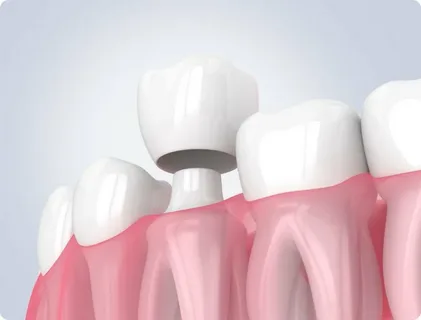
Smile restoration has become increasingly important to patients of all ages. A beautiful, functional smile profoundly affects confidence and quality of life. Dental crowns have emerged as one of the most versatile smile restoration tools. They address both structural and aesthetic dental problems comprehensively. Their ability to transform a smile while restoring full function is unmatched. This article explains why dental crowns are so widely used in modern restorative dentistry.
The Versatility of Dental Crowns in Smile Restoration
Few dental restorations offer the versatility that a dental crown provides. A crown can restore a severely damaged tooth to full function. It can also dramatically transform the appearance of a discolored or misshapen tooth. Crowns anchor dental bridges that replace missing teeth in the arch. They complete dental implant restorations by providing the visible tooth portion. This remarkable versatility makes crowns indispensable in comprehensive smile restoration planning.
Crowns are customized for each patient's specific situation and anatomy. The shade, shape, and size are carefully designed to complement surrounding teeth. Modern ceramic materials mimic the natural translucency of healthy tooth enamel. A well-crafted crown is virtually impossible to distinguish from a natural tooth. This level of aesthetic achievement was not possible with older dental materials. The combination of function and aesthetics is what makes crowns so widely preferred.
How Crowns Contribute to a Comprehensive Smile Makeover
Full smile makeovers often involve combinations of multiple dental treatments. Crowns typically play a central and prominent role in these comprehensive plans. They address structural damage that veneers and bonding cannot adequately resolve. Severely broken, decayed, or discolored teeth become beautiful with crown placement. Veneers may be used alongside crowns for a more comprehensive transformation. The overall result of a crown-inclusive smile makeover is dramatically transformative.
Crowns Restore Function That Damaged Teeth Have Lost
Function is the primary requirement of any successful dental restoration. Damaged teeth cannot perform their chewing and speaking roles effectively. A severely broken tooth cannot generate adequate chewing force safely. Patients often compensate by chewing only on the unaffected side. This compensation creates uneven jaw muscle use and joint problems over time. A crown restores the tooth to full functional capacity and eliminates this compensation.
The biting surface of a crown is designed to match the opposing tooth. This creates balanced, harmonious contact across the entire dental arch. Proper occlusion, or bite alignment, is essential for joint and muscle health. An improperly designed crown can disrupt the entire bite significantly. Skilled dentists design crowns that restore both the individual tooth and the entire bite. The functional restoration a good crown provides improves overall masticatory system health.
Restoring Speech After Significant Tooth Loss or Damage
Missing or severely damaged front teeth significantly affect speech clarity. Several sounds require precise tongue contact with upper front teeth. Consonants like "th," "f," and "v" depend on tooth position for clear production. Front teeth damaged or lost alter the patient's ability to produce these sounds. Crowns restore the correct tooth form and position for proper speech production. Patients who receive front tooth crowns often experience immediate speech improvement.
The Aesthetic Impact of Modern Dental Crown Materials
The evolution of dental crown materials has been remarkable in recent decades. Early metal crowns were functional but aesthetically limiting in visible areas. The development of tooth-colored ceramic materials transformed cosmetic possibilities. Today's porcelain and zirconia crowns achieve extraordinary aesthetic results for patients. They can match the exact shade and translucency of surrounding natural teeth. The improvement in crown aesthetics has driven their widespread adoption in smile restoration.
All-ceramic crowns offer the most natural-looking result currently available. Light passes through them similarly to the way it passes through natural enamel. This optical quality creates a lifelike appearance that photographs beautifully. Zirconia crowns offer exceptional strength along with impressive aesthetic quality. They are suitable for both front and back teeth in most patients. Porcelain-fused-to-metal crowns provide strength with good but slightly less translucent aesthetics.
Shade Matching: The Art and Science of Natural-Looking Crowns
Achieving a perfect shade match requires both technical skill and artistic eye. Dentists and laboratory technicians collaborate closely on shade selection. Multiple shade dimensions must be matched, including hue, value, and chroma. The lighting conditions in which the crown will be seen also matter. Modern digital shade-matching technology has improved consistency significantly. The result is crowns that integrate seamlessly into the patient's existing smile.
Crowns as Anchors for Dental Bridges
Missing teeth create functional and aesthetic challenges for patients. A dental bridge is one option for replacing one or more missing teeth. The bridge consists of a false tooth suspended between two supporting crowns. The supporting crowns, called abutments, are placed on the adjacent natural teeth. These abutment crowns must be exceptionally strong and precisely fitted. The quality of the supporting crowns determines the entire bridge's longevity and stability.
Bridge restorations dramatically improve smile appearance and chewing function simultaneously. Patients with missing teeth often feel self-conscious about gaps in their smile. A bridge eliminates the gap and restores the natural appearance of a complete smile. The abutment crowns are indistinguishable from natural teeth aesthetically. The false tooth, or pontic, is also crafted to match surrounding teeth precisely. The overall bridge restoration creates a seamlessly natural-looking result for patients.
Crowns Completing Dental Implant Restorations
Dental implants represent the gold standard for single tooth replacement. The implant system consists of three components working together in sequence. The titanium post is surgically placed into the jawbone as an artificial root. An abutment connector attaches to the post above the gum line. The crown is then attached to the abutment to complete the visible restoration. The crown is the component patients see and use every single day.
The crown on a dental implant must be both beautiful and extraordinarily durable. It faces all the same chewing forces a natural tooth would experience. High-quality materials and precise design are essential for implant crown longevity. Implant crowns are custom-designed to perfectly complement surrounding natural teeth. When properly placed and crafted, an implant crown is indistinguishable from a real tooth. This is why implant-plus-crown restorations are widely considered the best tooth replacement option.
Transforming Damaged or Discolored Teeth With Crowns
Some teeth are structurally sound but aesthetically problematic for patients. Severe intrinsic discoloration that resists all whitening treatments is one example. Fluorosis, tetracycline staining, and trauma discoloration are common causes. Teeth with these permanent discolorations can be completely transformed with crowns. The crown replaces the entire visible surface with a perfectly shaded material. Patients often experience profound emotional impact from this dramatic aesthetic transformation.
Misshapen or undersized teeth also benefit tremendously from crown placement. Some patients have teeth that are naturally too small or poorly shaped. These teeth create gaps or asymmetry that disrupts overall smile aesthetics. Crowns can be designed to any shape or size within anatomic limits. Coordinating crown shapes across multiple teeth creates a harmonious, balanced smile. The transformative potential of aesthetic crown placement genuinely changes patients' lives.
Long-Term Value of Choosing Crowns for Smile Restoration
Crowns represent a significant financial investment in your dental future. However, their longevity makes them one of the highest-value dental restorations available. Well-crafted and properly maintained crowns last between 10 and 15 years. Some patients maintain their crowns comfortably for 20 years or longer. The functional and aesthetic benefits over this extended period provide exceptional value. Few dental restorations offer this combination of beauty, strength, and longevity.
Dental crown services delivers exceptional crown results for patients. Their expertise in crown design and placement maximizes both function and aesthetics. Choosing an experienced provider is the most important factor in crown success. A beautifully designed and precisely placed crown enhances your smile and your life. The investment in quality crown treatment pays dividends in confidence and comfort for years.
Conclusion
Dental crowns are popular for smile restoration because they work exceptionally well. They restore function, transform aesthetics, and support complex restorations simultaneously. Modern materials achieve natural-looking results that previous generations could not access. Crowns anchor bridges, complete implants, and transform discolored or damaged teeth. Their longevity and versatility make them the preferred choice for comprehensive smile restoration. For patients seeking real and lasting smile transformation, dental crowns deliver consistently excellent results.

 English
 Arabic
 French
 Portuguese
 Deutsch
 Turkish
 Dutch
Dutch
 Italiano
 Russian
 Romaian
 Portuguese (Brazil)
 Greek
Greek