


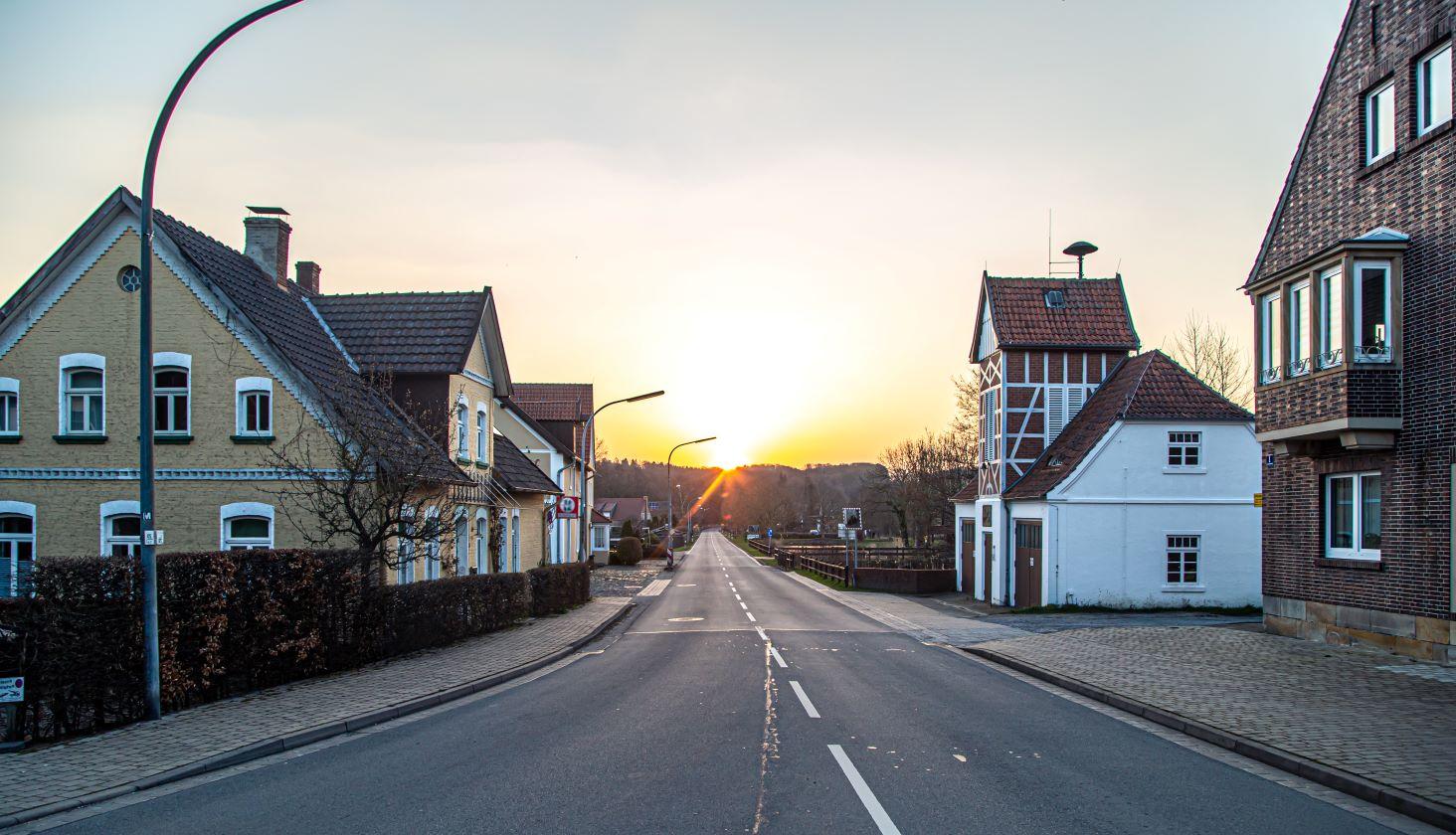
The market for Rochester MN homes has become one of the most talked-about real estate topics in Minnesota. People from across the Midwest are paying close attention to Rochester because it combines affordability, strong job opportunities, excellent healthcare, and a welcoming community atmosphere. It is not just another growing city. Rochester has evolved into a destination where families, professionals, retirees, and investors all see long-term value.
What makes Rochester stand out is balance. Some cities offer affordable housing but lack economic opportunity. Others provide booming job markets but come with sky-high home prices. Rochester sits comfortably in the middle. Buyers can still find homes at prices lower than many major metro areas while enjoying access to high-quality amenities and stable employment opportunities. That combination is becoming increasingly rare in the United States housing market.
The local housing market also remains competitive. According to recent market data, the median home sale price in Rochester reached approximately $330,000 in early 2026, representing steady year-over-year growth. Homes are selling quickly, often within about 20 days, showing continued buyer demand in the area. Buyers entering the market today are discovering that Rochester offers more than just houses. It offers a lifestyle that feels both modern and comfortable.
Whether you are searching for your first home, planning to relocate for work, or looking for an investment property, understanding the Rochester market is essential. This guide explores everything you need to know about Rochester MN homes, from pricing trends and neighborhood comparisons to lifestyle advantages and smart buying strategies.
Why Rochester MN Homes Are Gaining Attention in 2026
Current Housing Market Trends
The Rochester housing market continues to demonstrate impressive resilience in 2026. While some regions across the country have experienced uncertainty due to mortgage rate fluctuations and affordability concerns, Rochester has maintained relatively stable growth. Real estate experts often describe this kind of market as “healthy growth,” where prices increase steadily without the extreme volatility seen in overheated housing markets.
Recent housing reports show Rochester’s median sale price rising more than 6% year-over-year, with many properties receiving multiple offers shortly after listing. That statistic alone tells an important story. Buyers are actively competing for homes because inventory remains somewhat limited, especially for move-in-ready properties in desirable neighborhoods. In practical terms, this means serious buyers need to act quickly when they find the right property.
Mortgage rates are also shaping buyer behavior. Average 30-year fixed mortgage rates in Rochester have remained around the mid-6% range during 2026. While those rates are higher than the ultra-low levels buyers enjoyed several years ago, they have not stopped demand entirely. Instead, buyers have become more strategic, focusing on long-term affordability and overall value rather than rushing into bidding wars without preparation.
One fascinating trend is the increasing popularity of mid-sized Midwest cities like Rochester. National housing analysts point out that buyers are shifting attention toward communities offering better affordability, shorter commutes, and strong employment opportunities. Rochester fits that profile perfectly. It is no longer viewed simply as a smaller Minnesota city. It is now recognized as a stable and attractive real estate market with long-term growth potential.
Rising Demand From Families and Professionals
The demand for Rochester MN homes is fueled largely by families and working professionals seeking a higher quality of life. One of the city’s biggest economic drivers is Mayo Clinic, which attracts medical professionals, researchers, and healthcare workers from around the world. This constant flow of skilled professionals creates steady housing demand throughout the city.
Families are also drawn to Rochester because of its excellent schools, low crime rates, and family-oriented atmosphere. Parents often describe Rochester as a place where children can safely grow up while still having access to modern amenities and opportunities. It feels large enough to offer entertainment and career growth but small enough to maintain a strong sense of community.
Remote work has added another layer to Rochester’s popularity. Many people who previously lived in expensive metro areas are now relocating to smaller cities that offer more affordable homes and a calmer lifestyle. Rochester checks both boxes. Buyers can often purchase larger homes with bigger yards compared to what they could afford in cities like Minneapolis or Chicago.
The city’s infrastructure improvements and ongoing development projects have also increased buyer confidence. New neighborhoods, shopping centers, schools, and healthcare expansions continue to enhance the city’s appeal. People buying homes in Rochester today often view their purchase as a lifestyle upgrade rather than just a real estate transaction.
Understanding Rochester MN Neighborhoods
Downtown Rochester Living
Downtown Rochester has experienced a remarkable transformation over the last decade. Once primarily known as a medical and business district, it has evolved into a vibrant urban community filled with modern condos, renovated lofts, restaurants, entertainment venues, and walkable streets. Buyers seeking a more urban lifestyle are increasingly attracted to this area.
One major advantage of downtown living is convenience. Residents can walk to restaurants, coffee shops, parks, medical facilities, and entertainment venues without relying heavily on a car. Professionals working at nearby healthcare facilities especially appreciate the reduced commute times and easy accessibility.
The downtown market also includes a growing number of luxury condominiums and modern apartments. These properties appeal to young professionals, retirees, and even investors seeking rental opportunities. Market data shows downtown property values have continued climbing steadily, reflecting increasing demand.
Living downtown feels different from suburban life in Rochester. It carries more energy, activity, and social interaction. Residents often describe it as having the perfect blend of small-city friendliness and modern urban convenience. For buyers wanting walkability and convenience, downtown Rochester remains one of the city’s most exciting areas.
Family-Friendly Suburban Communities
Suburban neighborhoods remain the backbone of the Rochester housing market. Areas like Northwest Rochester, Willow Creek, and Northern Heights are especially popular among families looking for spacious homes, quiet streets, and strong school districts.
These neighborhoods often feature larger single-family homes with attached garages, private yards, and nearby parks. Many subdivisions are carefully designed with walking paths, playgrounds, and community spaces that encourage outdoor activity and neighborhood interaction. Families appreciate having room to grow without sacrificing convenience.
One interesting aspect of Rochester’s suburban communities is the balance between affordability and quality. Compared to many larger metro areas, buyers can still find relatively spacious homes at reasonable prices. This affordability is one reason why Rochester continues attracting out-of-state buyers who want more value for their money.
Suburban Rochester also offers a quieter pace of life. Traffic congestion is generally manageable, schools are accessible, and shopping centers are spread conveniently throughout the city. Buyers who prioritize stability, comfort, and family-oriented living often find these communities especially appealing.
Luxury Home Areas
Luxury real estate in Rochester has quietly expanded in recent years. High-end buyers are increasingly exploring upscale neighborhoods featuring custom-built homes, expansive lots, premium finishes, and scenic surroundings. Areas with larger estates and golf-course-adjacent properties have become particularly desirable among executives and medical professionals.
Luxury buyers in Rochester often prioritize privacy, architectural quality, and proximity to healthcare institutions. Some properties include advanced smart-home technology, home theaters, gourmet kitchens, and resort-style outdoor spaces. Unlike luxury markets in coastal cities, Rochester’s high-end homes can still offer impressive value relative to price.
The luxury segment has benefited from the city’s economic stability. High-income professionals relocating to Rochester frequently prefer purchasing luxury homes rather than renting long-term accommodations. This steady demand supports property values and creates ongoing opportunities for sellers in the upscale market.
Another advantage is lifestyle flexibility. Luxury homeowners in Rochester can enjoy quiet residential settings while still remaining close to restaurants, medical facilities, shopping centers, and recreational areas. That balance between privacy and accessibility is one reason affluent buyers continue investing in Rochester real estate.
Average Home Prices in Rochester MN
Price Trends Across Different Neighborhoods
Home prices in Rochester vary significantly depending on location, property type, and neighborhood amenities. Current market reports show median listing prices around $415,000 citywide, though actual sale prices often differ depending on property condition and competition.
Here is a quick look at some neighborhood price trends:
| Neighborhood | Median Listing Price |
|---|---|
| Willow Creek | $554,900 |
| Downtown Rochester | $211,000 |
| Northwest Rochester | $475,000 |
| Elton Hills | $239,900 |
| Silver Creek | $570,000 |
These variations illustrate how diverse the Rochester housing market has become. Buyers seeking affordability may focus on neighborhoods with older homes or smaller properties, while luxury buyers can explore high-end communities offering larger custom residences.
Price appreciation has also remained relatively steady compared to many volatile national markets. Rather than dramatic spikes followed by corrections, Rochester has shown gradual and sustainable growth. That stability appeals strongly to buyers who view homeownership as a long-term investment rather than a short-term gamble.
Comparing Rochester With Other Minnesota Cities
When compared with larger Minnesota cities, Rochester often provides better overall value for buyers. Minneapolis and surrounding suburbs typically feature higher housing costs, more traffic congestion, and greater competition for desirable homes. Rochester offers many urban conveniences without the same level of pricing pressure.
For example, buyers relocating from Minneapolis are often surprised by how much more home they can afford in Rochester. Larger lots, newer homes, and upgraded features are frequently available at lower price points. This affordability advantage has become increasingly important as mortgage rates remain elevated nationwide.
Rochester also benefits from strong economic stability. Unlike smaller rural communities that may struggle with population decline or limited job opportunities, Rochester continues attracting new residents thanks to healthcare, education, and business growth. That steady demand supports property values and reduces market uncertainty.
Another advantage is quality of life. Rochester consistently ranks highly for healthcare access, education, safety, and community satisfaction. Buyers are not just purchasing homes here. They are investing in a city known for stability and livability.
Types of Rochester MN Homes Available
Single-Family Homes
Single-family homes remain the most popular property type in Rochester. Buyers love the privacy, space, and flexibility these homes provide. Whether it is a starter home with three bedrooms or a luxury custom property with extensive upgrades, the city offers options across multiple price ranges.
Most Rochester single-family homes include practical features designed for Midwest living. Large garages, finished basements, energy-efficient insulation, and spacious yards are common. Many homes also feature open floor plans that appeal to modern buyers seeking comfortable family living.
The demand for single-family homes remains especially strong among families relocating for employment opportunities. Buyers often prioritize proximity to schools, parks, and workplaces when selecting neighborhoods. Homes that are move-in ready and updated tend to attract the most competition.
One important consideration for buyers is inventory. Well-maintained single-family homes in desirable neighborhoods can sell quickly. That means preparation matters. Buyers who secure financing early and work with knowledgeable local agents often gain a competitive advantage.
Condos and Townhomes
Condos and townhomes have become increasingly popular in Rochester, especially among young professionals, retirees, and first-time buyers. These properties typically require less maintenance than traditional single-family homes, making them attractive for people with busy lifestyles.
Townhomes often provide an appealing middle ground between apartments and detached homes. Buyers can enjoy additional space and privacy without the responsibility of maintaining large yards or extensive exterior repairs. Many townhome communities also include amenities such as fitness centers, walking paths, and shared recreational spaces.
Downtown condos appeal strongly to professionals working near medical campuses and business districts. Residents appreciate being able to walk to restaurants, entertainment venues, and work locations. Urban-style living continues growing in popularity as Rochester’s downtown development expands.
For investors, condos and townhomes may also offer strong rental potential. Healthcare workers, traveling professionals, and students often seek flexible housing options close to central Rochester. This consistent demand helps support occupancy rates for rental properties.
Best Areas for First-Time Homebuyers
Affordable Neighborhoods
First-time buyers entering the Rochester market often focus on affordability without sacrificing safety or convenience. Neighborhoods such as Elton Hills, Valley High, and parts of Southeast Rochester continue attracting younger buyers looking for manageable entry points into homeownership.
These communities typically offer smaller single-family homes, older properties with renovation potential, and more moderate pricing compared to luxury areas. For many buyers, purchasing an affordable starter home becomes the foundation for building long-term wealth and equity.
One advantage first-time buyers have in Rochester is market diversity. Unlike extremely expensive metro areas where entry-level homes are nearly impossible to find, Rochester still offers opportunities for buyers with realistic budgets. While competition exists, the market remains more accessible than many national housing hotspots.
Local lenders and assistance programs may also help first-time buyers navigate financing challenges. Buyers who research mortgage options carefully can sometimes reduce upfront costs and improve affordability. Preparation and financial planning remain essential in today’s market environment.
Financing and Mortgage Insights
Mortgage affordability continues influencing buyer decisions nationwide, and Rochester is no exception. Current mortgage rates in the mid-6% range have encouraged buyers to become more strategic about budgeting and financing choices.
Many buyers are exploring adjustable-rate mortgages, buydown programs, and state-level assistance opportunities to reduce monthly payments. Working with experienced lenders can help buyers identify financing structures that align with their long-term financial goals.
A common mistake among first-time buyers is focusing only on purchase price while ignoring overall ownership costs. Property taxes, insurance, utilities, and maintenance all contribute to monthly expenses. Smart buyers evaluate total affordability rather than stretching budgets too aggressively.
Pre-approval also plays a critical role in competitive markets. Sellers often prioritize buyers who already have financing secured because it reduces transaction uncertainty. In fast-moving neighborhoods, strong financial preparation can make the difference between winning and losing a home offer.
Rochester MN Real Estate Investment Opportunities
Rental Property Potential
Rochester’s rental market remains attractive due to the city’s consistent population growth and healthcare-driven economy. Investors often target properties near medical campuses, universities, and downtown districts where rental demand stays relatively strong throughout the year.
Traveling medical professionals represent a unique rental demographic in Rochester. Many seek short-term furnished housing during temporary assignments, creating opportunities for investors willing to provide flexible rental arrangements. This niche market can sometimes generate higher rental income compared to traditional long-term leasing.
Townhomes, condos, and duplexes are especially popular investment choices because they appeal to a wide range of renters. Investors who carefully analyze neighborhood trends and maintenance costs can build strong long-term portfolios in Rochester.
The city’s economic stability also reduces some investment risk. Unlike tourism-dependent cities or boom-and-bust markets, Rochester benefits from year-round healthcare and educational employment. That stability helps support occupancy rates and rental demand even during broader economic slowdowns.
Long-Term Appreciation Trends
Long-term appreciation remains one of the strongest arguments for investing in Rochester real estate. Historical data shows gradual but consistent price growth over time, supported by steady population demand and limited housing inventory.
Investors often favor markets like Rochester because they avoid extreme volatility. Rather than unpredictable spikes and crashes, the city demonstrates sustainable growth patterns tied to genuine economic fundamentals. That kind of stability appeals strongly to long-term investors.
Infrastructure development also supports future appreciation potential. Ongoing healthcare expansions, residential development projects, and community improvements continue enhancing Rochester’s overall desirability. As the city grows, property demand is likely to remain healthy.
Real estate investment is never risk-free, but Rochester offers several characteristics investors typically seek: economic diversity, strong employment, population growth, and quality-of-life advantages. These factors combine to create a relatively favorable environment for long-term property ownership.
Lifestyle Benefits of Living in Rochester
Schools, Healthcare, and Employment
One reason buyers continue searching for Rochester MN homes is the city’s overall quality of life. Rochester consistently earns praise for healthcare access, educational opportunities, and employment stability. Those strengths create confidence among both homeowners and investors.
The city’s healthcare reputation is internationally recognized thanks largely to Mayo Clinic. Thousands of professionals relocate to Rochester every year for medical careers, research opportunities, and specialized training programs. This healthcare-driven economy provides a strong employment foundation that supports the housing market.
Schools are another major advantage. Families often choose Rochester because of its educational reputation and community-focused environment. Public schools, extracurricular activities, and higher education opportunities contribute to the city’s family-friendly appeal.
Employment opportunities extend beyond healthcare as well. Technology, education, construction, hospitality, and professional services continue growing throughout the region. That economic diversity strengthens Rochester’s resilience during changing national economic conditions.
Parks, Dining, and Entertainment
Rochester offers a surprisingly rich mix of recreational and cultural activities for a mid-sized city. Residents enjoy access to parks, bike trails, golf courses, shopping districts, and community events throughout the year. Outdoor enthusiasts especially appreciate the area’s scenic beauty and seasonal variety.
Dining options have expanded significantly in recent years. From cozy cafés to upscale restaurants, Rochester’s food scene continues evolving as new residents bring diverse tastes and expectations. Downtown districts in particular have become more vibrant and walkable.
Entertainment opportunities include theaters, concerts, sports events, and community festivals. While Rochester may not have the nonstop pace of a massive metropolitan city, many residents prefer its calmer atmosphere and manageable size. It provides enough activity to stay engaging without becoming overwhelming.
That balance is what many buyers ultimately fall in love with. Rochester feels modern and progressive while still maintaining a welcoming, community-oriented character that larger cities sometimes lose.
Tips for Buying Rochester MN Homes in 2026
Buying a home in Rochester requires preparation, patience, and local market knowledge. Competitive inventory means buyers should enter the process with financing secured and clear priorities established. Waiting too long to make decisions can result in missed opportunities.
Researching neighborhoods carefully is equally important. Different areas offer different lifestyles, price ranges, commute patterns, and amenities. Buyers should spend time exploring communities before making final decisions. A home may look perfect online but feel entirely different in person.
Working with experienced local real estate professionals can also make a significant difference. Local agents understand pricing trends, negotiation strategies, and neighborhood dynamics better than out-of-area buyers typically do. That expertise often helps buyers avoid costly mistakes.
Most importantly, buyers should think long-term. Rochester’s housing market rewards patience and thoughtful decision-making. Instead of chasing short-term trends, successful buyers focus on finding homes that fit their long-term lifestyle and financial goals.
Conclusion
The market for Rochester MN homes continues attracting attention for good reason. Rochester combines affordability, economic stability, healthcare leadership, and strong community values into one highly desirable package. Buyers searching for a balanced lifestyle often discover that Rochester offers many advantages larger metro areas struggle to provide.
Whether you are interested in suburban family neighborhoods, downtown condos, luxury properties, or investment opportunities, Rochester’s real estate market provides diverse options for nearly every type of buyer. Steady appreciation, manageable living costs, and strong employment opportunities continue supporting long-term demand.
The city’s future also looks promising. Population growth, healthcare expansion, infrastructure improvements, and rising national recognition all suggest Rochester will remain one of Minnesota’s most appealing housing markets in the years ahead. For buyers ready to invest in both property and quality of life, Rochester stands out as a smart and rewarding choice.
FAQs
1. Are Rochester MN homes affordable compared to Minneapolis?
Yes, Rochester homes are generally more affordable than many Minneapolis-area properties. Buyers often get larger homes and more space for their money in Rochester.
2. What is the average home price in Rochester MN?
Recent market data shows median home sale prices around $330,000, though prices vary significantly by neighborhood and property type.
3. Is Rochester MN a good place for real estate investment?
Many investors view Rochester positively because of its stable economy, healthcare-driven employment market, and consistent housing demand.
4. Which Rochester neighborhoods are best for families?
Northwest Rochester, Willow Creek, and Northern Heights are often considered strong family-friendly communities due to schools, parks, and spacious homes.
5. How competitive is the Rochester housing market?
The market remains competitive, with many homes selling quickly and some receiving multiple offers. Buyers benefit from being financially prepared before shopping.

 Arabic
 French
 Spanish
 Portuguese
 Deutsch
 Turkish
 Dutch
Dutch
 Italiano
 Russian
 Romaian
 Portuguese (Brazil)
 Greek
Greek