


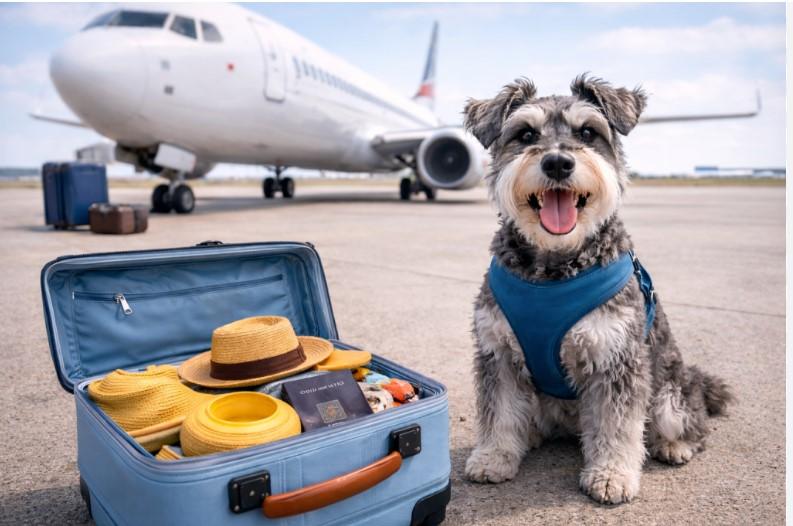
Quick answer: Pet relocation is the process of safely transporting animals to a new residence, frequently across state or international borders. Successful relocation requires updated vaccinations, veterinary health certificates, airline-approved travel crates, and strict adherence to destination import laws. Hiring a specialized pet relocation service helps guarantee regulatory compliance and ensures animal welfare during transit.
Moving to a new city or country brings plenty of logistical hurdles. Adding a dog, cat, or other animal to the itinerary multiplies those challenges significantly. Navigating flight restrictions, complex quarantine laws, and temperature embargoes can quickly overwhelm even the most organized pet owners.
Pet relocation requires meticulous planning and a deep understanding of animal transport regulations. Every country and airline enforces distinct rules regarding animal travel. Missing a single vaccination deadline or completing the wrong customs form can result in denied boarding or lengthy quarantine periods upon arrival.
This guide outlines exactly how to manage the logistics of moving your animal. You will learn about the different modes of transport, necessary documentation, and strategies to minimize your animal's stress. Understanding these steps will help you execute a safe and compliant move for your furry family members.
What are the primary methods for pet relocation?
Choosing the right transportation method dictates the rest of your moving strategy. The two most common options are air transport and ground transport. Each offers specific benefits depending on the distance of the move and the breed of the animal.
Air transport for animals
Air travel is the most efficient way to handle international or cross-country Pet relocation. Airlines generally offer two ways for animals to fly: in the cabin or in the cargo hold. Small dogs and cats can often ride in the cabin under the seat in front of you, provided their carrier meets strict size restrictions.
Larger animals must travel in the cargo hold as manifested freight or checked baggage. The cargo hold is pressurized and temperature-controlled, functioning much like the passenger cabin. According to the International Air Transport Association (IATA), millions of animals travel safely by air every year. However, certain breeds, particularly snub-nosed (brachycephalic) dogs like Pugs and Bulldogs, face strict flight embargoes due to respiratory risks at high altitudes.
Ground transport for animals
Ground transport is highly recommended for regional moves, easily stressed animals, and snub-nosed breeds banned from flying. Many specialized ground transport companies use climate-controlled vans equipped with comfortable kennels.
Choose ground transport if minimizing environmental changes and avoiding flight anxiety matters more than transit speed. Ground transport allows for frequent bathroom breaks, regular feeding, and constant human supervision, making it a highly humane option for anxious pets.
How far in advance should you plan a pet relocation?
Time is your most valuable asset when moving animals. For domestic moves within the same country, begin planning at least four to six weeks prior to departure. International pet relocation requires a minimum of three to six months of preparation.
Strict timelines exist because many countries require a series of vaccinations administered in a specific order. For example, moving a dog to Australia or New Zealand can take up to seven months of preparation due to mandatory rabies titer tests and waiting periods. Missing a scheduled blood draw by just one day can reset the entire timeline.
What documentation is required for international pet relocation?
Crossing international borders requires an extensive paper trail. Customs officials will inspect your paperwork thoroughly before allowing your animal to enter the country. The standard requirements include:
- ISO-Compatible Microchip: The animal must be microchipped before receiving any required vaccinations.
- Rabies Vaccination Certificate: Most countries require a rabies vaccine administered at least 21 days before travel.
- Rabies Titer Test (FAVN): Rabies-free countries require a blood test to confirm the presence of rabies antibodies.
- Veterinary Health Certificate: A government-endorsed veterinarian must examine the animal and issue a health certificate within 10 days of travel.
- Import Permits: Certain destinations require a pre-approved application to bring the animal into the country.
Should you hire a professional pet relocation company?
Managing flight bookings, import permits, and veterinary appointments takes a massive amount of time. A professional pet relocation service handles these logistics on your behalf. These agencies understand the nuances of international import laws, have established relationships with pet-friendly airlines, and know exactly how to clear customs quickly.
Choose a professional pet relocation company if you are moving internationally, if your destination has complex quarantine laws, or if your animal must fly as manifested cargo. While hiring experts increases the overall cost of your move, it significantly reduces the risk of administrative errors that could leave your animal stranded. Look for companies affiliated with the International Pet and Animal Transportation Association (IPATA) to ensure they adhere to strict ethical and safety standards.
How to prepare your pet for moving day
The administrative work is only half the battle; preparing the animal mentally and physically is equally important. Crate acclimation is the single most critical step in this process.
Purchase an IATA-approved travel crate several weeks before the move. Leave the crate in your living room with the door open. Place high-value treats, familiar blankets, and their favorite toys inside. The goal is to make the crate feel like a safe, secure den. An animal that feels comfortable in their crate will experience significantly less anxiety during a noisy flight or a bumpy car ride.
Consult your veterinarian regarding feeding schedules on travel day. Most experts recommend feeding the animal a light meal four to six hours before departure to prevent motion sickness. Never sedate your animal before a flight. The American Veterinary Medical Association (AVMA) explicitly warns against sedation, as altitude changes can cause unpredictable and dangerous reactions to tranquilizers.
Ensuring a Smooth Transition for Your Furry Friend
A successful move requires attention to detail from the moment you decide to relocate until the moment your animal steps into their new home. Keep all original health documents in a secure folder in your carry-on luggage, remain in close contact with your veterinarian, and slowly introduce your animal to their travel crate.
Once you arrive at your new destination, unpack the animal's bed, bowls, and toys immediately. Familiar scents will help them realize that this unfamiliar environment is their new permanent territory. Give them time to decompress, establish a routine quickly, and schedule a check-up with a local veterinarian to register their microchip in the new region.
Frequently Asked Questions
How much does pet relocation typically cost?
Domestic air travel for a small pet typically costs between $300 and $500. International pet relocation costs range from $2,000 to $6,000, depending on the destination, the size of the animal, and whether you hire a professional service. Costs include airline freight fees, export documents, veterinary visits, and import taxes.
What is the safest way to transport an animal?
The safest method depends on the animal. For healthy, non-brachycephalic breeds, flying in the passenger cabin or a climate-controlled cargo hold is incredibly safe. For snub-nosed breeds, senior animals, or those with severe anxiety, professional ground transport is the safest alternative.
Can I sedate my animal for a flight?
No. Airlines will refuse to board an animal that appears sedated. Sedatives lower blood pressure and impair the animal's ability to regulate their body temperature, which becomes highly dangerous in a pressurized aircraft cabin.
How long do animals stay in quarantine?
Quarantine periods vary strictly by destination. Many countries, including most of the European Union, Canada, and the United States, do not require quarantine if all paperwork is correct. Strict rabies-free countries like Australia, New Zealand, and Singapore enforce mandatory quarantine periods ranging from 10 to 30 days.

 English
 Arabic
 French
 Spanish
 Portuguese
 Deutsch
 Turkish
 Dutch
Dutch
 Russian
 Romaian
 Portuguese (Brazil)
 Greek
Greek