


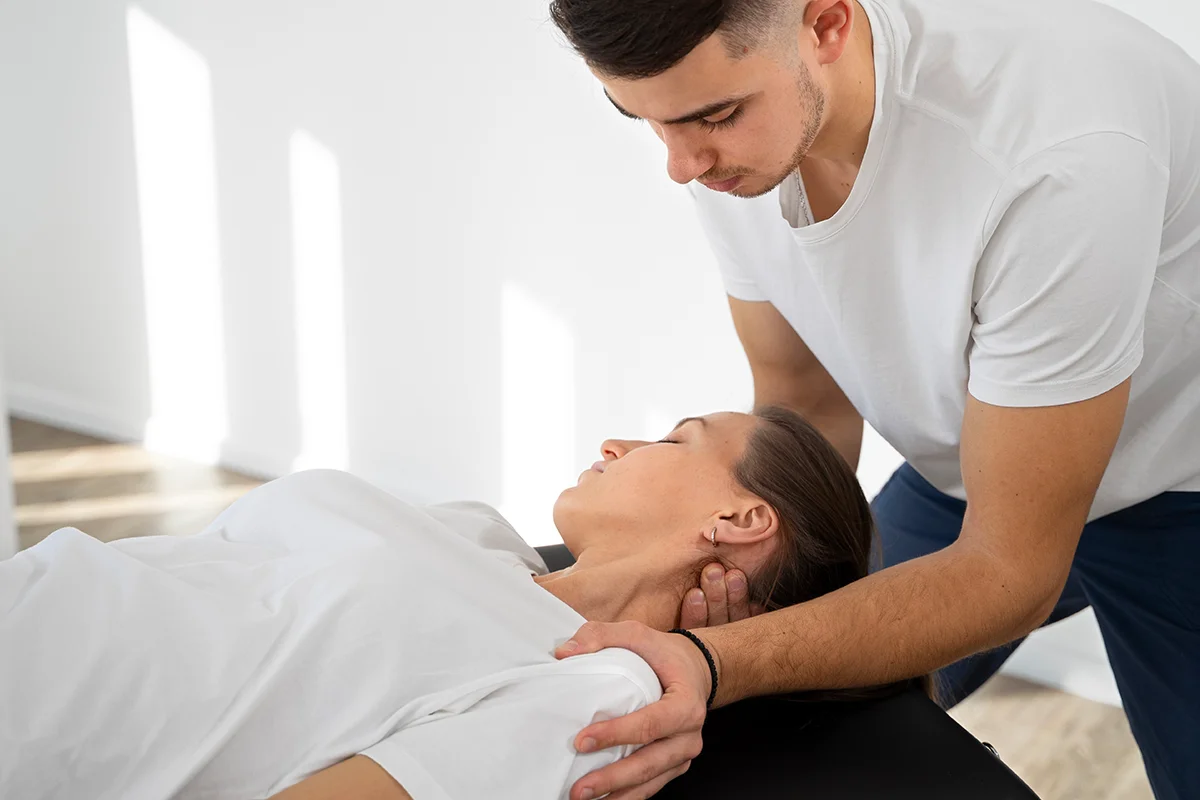
Flexibility is a fundamental component of physical health and athletic performance. Without adequate flexibility, movement becomes restricted and painful over time. Injuries become more frequent as tight tissues cannot absorb force effectively. Aging, sedentary habits, and physical stress all reduce flexibility progressively. Modern chiropractic techniques offer targeted, effective solutions for restoring and improving flexibility.
Why Flexibility Declines and What It Costs
Flexibility loss is a gradual process that often goes unnoticed at first. Muscle shortening occurs when tissues are held in the same position repeatedly. Fascial adhesions form after injury or prolonged inactivity and restrict movement. Joint capsules tighten when joints are not moved through their full range regularly. These combined changes create stiffness that limits daily and athletic function.
The physical costs of lost flexibility are significant and far-reaching. Restricted hip mobility alters gait and increases lumbar spine stress. Tight shoulder muscles limit arm movement and impair throwing mechanics. Inflexible thoracic vertebrae prevent full trunk rotation during daily tasks. Without adequate flexibility, the body compensates in ways that create pain and injury.
The Connection Between Joint Mobility and Flexibility
Joint mobility and muscle flexibility are closely interrelated. Restricted joint mobility limits the range through which muscles can lengthen. Conversely, tight muscles apply constant tension that restricts joint movement. This bidirectional relationship means both must be addressed simultaneously. Modern chiropractic techniques target both joint mobility and soft tissue flexibility together.
Spinal Adjustments for Improved Flexibility
Spinal adjustments are the cornerstone of chiropractic care for flexibility. They directly restore movement to restricted spinal joints rapidly. A restricted lumbar vertebra limits forward bending and rotation. A stiff thoracic segment reduces upper body rotation and extension. Adjusting these segments restores the full range of available spinal motion.
The effects of spinal adjustments on flexibility are often immediate. Patients notice improved movement range directly after their session ends. Adjacent muscles relax as joint restriction and pain are resolved. The nervous system receives better sensory information from freed joints. Coordination and movement quality improve alongside the restored range of motion.
Cervical Adjustments and Neck Flexibility
The cervical spine is one of the most commonly restricted spinal regions. Screen use, poor sleeping posture, and stress all restrict cervical movement. Cervical adjustments restore rotation, lateral flexion, and extension effectively. Many patients regain significant neck flexibility after just a few sessions. Improved cervical flexibility reduces tension headaches and neck discomfort significantly.
Lumbar and Thoracic Mobility Restoration
Lumbar adjustments address the most loaded and commonly restricted spinal region. They restore flexion and extension range critical for daily function and sport. Thoracic adjustments improve rotation range that affects athletic power and posture. Combined lumbar and thoracic care produces dramatic improvements in overall spinal flexibility. Patients move more freely, comfortably, and confidently after treatment.
Active Release Technique for Muscle Flexibility
Active release technique, commonly called ART, is a powerful soft tissue method. It is widely used in both sports and general chiropractic practice. The technique combines manual pressure with active patient movement during treatment. Adhesions in muscles, tendons, and fascia are systematically broken down. This restores the tissue's ability to lengthen and glide freely.
ART is particularly effective for muscles that have become fibrotic from overuse. The hamstrings, hip flexors, and calf muscles are commonly treated. Improved flexibility in these muscles has direct benefits for movement and performance. Athletes use ART both for injury treatment and performance enhancement. The results are typically rapid, measurable, and highly satisfying for patients.
Instrument-Assisted Soft Tissue Mobilization
Instrument-assisted soft tissue mobilization, or IASTM, uses specialized metal tools. These tools detect and treat areas of soft tissue restriction and fibrosis. Treatment stimulates local blood flow and promotes tissue remodeling. Scar tissue and adhesions that limit flexibility are effectively broken down. Patients experience improved tissue extensibility and joint range of motion promptly.
Myofascial Release for Deep Tissue Flexibility
Myofascial release addresses the fascial system throughout the entire body. Fascia connects and wraps every muscle, bone, and organ in the body. When fascia tightens due to injury, stress, or inactivity, it restricts movement. Myofascial release applies sustained, gentle pressure to restricted areas. The fascia gradually softens and releases, restoring movement throughout affected regions.
This technique is particularly valuable for chronic, widespread flexibility restrictions. Patients with fibromyalgia, chronic postural dysfunction, or old injuries benefit greatly. The effects extend beyond the treated area due to the fascial system's continuity. Releasing restriction in one region often improves flexibility in distant areas. This whole-body effect is one of myofascial release's most remarkable qualities.
Fascial Decompression Techniques
Fascial decompression, including cupping therapy, is used by many modern chiropractors. Suction cups applied to the skin lift the underlying fascial tissue. This decompressive force creates space within the fascial layers and promotes blood flow. Mobility in treated areas improves significantly following fascial decompression. Athletes and active patients respond particularly well to this innovative approach.
Therapeutic Stretching and Mobility Programs
Chiropractors prescribe therapeutic stretching programs alongside manual treatment. These programs target the specific muscles and joints identified during assessment. Static, dynamic, and PNF stretching techniques are all employed. Each method has specific applications based on the patient's needs and goals. Consistent execution of these programs significantly amplifies the gains from manual therapy.
Proprioceptive neuromuscular facilitation, or PNF stretching, produces rapid flexibility gains. It involves alternating contraction and relaxation of the target muscle. The relaxation phase allows the muscle to lengthen further than passive stretching allows. PNF stretching is particularly effective for the hamstrings, hip flexors, and shoulder muscles. Chiropractors teach this technique and prescribe it for regular home use.
Corrective Exercise for Sustained Flexibility
Corrective exercises address the underlying causes of flexibility restriction. Strengthening weak muscles reduces the compensatory tension in opposing muscles. Hip abductor strengthening, for example, reduces hip flexor tightness over time. Scapular stabilization reduces tension in the cervical and thoracic muscles. These exercises maintain and build upon the flexibility gains achieved through manual care.
Attending a modern chiropractic clinic gives you access to the full spectrum of flexibility-improving techniques. The combination of spinal adjustments, soft tissue therapy, and corrective exercise is powerful. Each component reinforces the others for comprehensive and lasting improvement. Patients who commit to the full treatment plan achieve the best results consistently. Reclaim the full range of motion your body is capable of achieving.
Yoga and Chiropractic: A Complementary Partnership
Yoga and chiropractic care complement each other beautifully in practice. Yoga promotes flexibility, strength, and body awareness simultaneously. Chiropractic care addresses structural barriers that prevent yoga poses from being achieved. Together, they produce superior flexibility outcomes compared to either alone. Many chiropractors actively recommend yoga to their flexibility-focused patients.
Patients beginning yoga often discover structural restrictions they were previously unaware of. These restrictions limit their ability to achieve certain poses safely. Chiropractic care identifies and addresses these restrictions directly. Once the restriction is resolved, yoga practice becomes safer and more productive. This synergistic partnership supports lifelong flexibility and physical wellness.
Conclusion
Modern chiropractic techniques offer powerful, evidence-based tools for improving flexibility. Spinal adjustments, soft tissue therapy, and corrective exercises each play essential roles. The combination of these approaches produces rapid and lasting flexibility improvements. Whether for daily function, athletic performance, or injury prevention, flexibility matters. Invest in your flexibility today with modern chiropractic care and move more freely.

 English
 French
 Spanish
 Portuguese
 Deutsch
 Turkish
 Dutch
Dutch
 Italiano
 Russian
 Romaian
 Portuguese (Brazil)
 Greek
Greek