


Foot discomfort is something many people normalize and endure unnecessarily. Morning heel pain, midday arch fatigue, and evening soreness become accepted as inevitable. Many people assume that this discomfort is simply part of aging, being on their feet, or staying active. This acceptance prevents them from seeking solutions that could profoundly improve their daily comfort and function.
The foot is a remarkable and complex structure containing twenty-six bones and over one hundred muscles, tendons, and ligaments. It absorbs enormous forces during every step, jump, and stride. When its mechanics are suboptimal, the resulting stress accumulates in predictable and uncomfortable ways. Custom orthotics address these mechanical issues directly, transforming daily comfort from the ground up.
Understanding Why Foot Comfort Matters Beyond the Foot
Foot comfort is not merely a local concern. The foot is the body's primary interface with the ground and the base of all upright movement. How it functions directly influences every structure above it in the kinetic chain. Ankle stability, knee alignment, hip mechanics, and lumbar posture all depend on a functioning foot foundation.
When the foot is uncomfortable or mechanically dysfunctional, the body compensates. These compensations alter walking and standing patterns in ways that generate secondary discomfort. Knee pain, hip tightness, and lower back aching frequently develop as downstream consequences. Improving foot comfort through custom orthotics therefore improves comfort throughout the entire lower body.
The Most Common Sources of Daily Foot Discomfort
Plantar fasciitis is among the most widespread causes of daily foot discomfort. Its characteristic heel pain upon first morning steps is recognized by many people. The plantar fascia becomes inflamed and irritated due to excessive strain during activity. Custom orthotics control the mechanical forces that create this strain, providing lasting relief.
Arch pain from flat feet or fallen arches is another pervasive complaint. Without adequate structural support, the arch collapses progressively under bodyweight. This collapse strains the plantar fascia, posterior tibial tendon, and surrounding structures. Forefoot pain under the ball of the foot, known as metatarsalgia, is equally common among those who stand or walk extensively.
How Custom Orthotics Mechanically Improve Foot Comfort
Custom orthotics improve foot comfort through precise mechanical correction. They redistribute the pressure experienced by the foot during weight-bearing activity. Areas of excessive pressure are unloaded, and force is redistributed to more tolerant structures. This redistribution immediately reduces the strain on irritated or injured tissues.
Arch support built into custom orthotics prevents the progressive collapse that leads to arch and heel pain. Support that exactly matches the individual's arch height is far more effective than generic alternatives. Heel cups incorporated into orthotic designs control rearfoot motion and stabilize the calcaneus. Forefoot accommodations address specific pressure points under the metatarsal heads.
Materials Used in Custom Orthotics and Their Effects
The materials used in custom orthotics are carefully selected based on clinical and lifestyle requirements. Rigid or semi-rigid shell materials provide the structural support needed to control abnormal motion. These are appropriate for conditions driven primarily by biomechanical dysfunction like excessive pronation.
Softer cushioning materials are used for accommodative orthotics that primarily address pressure. Diabetic foot care and conditions involving fragile tissues benefit most from this approach. Top covers are selected for durability, moisture management, and cushioning comfort during wear. A skilled orthotics practitioner selects the optimal combination of materials for each patient's specific needs.
Custom Orthotics for Different Daily Activities
Daily life involves a range of activities that place varying demands on the feet. Custom orthotics can be designed to support these diverse activity requirements. Athletic orthotics for running or sport are typically thinner and more dynamic in their function. They control motion while accommodating the demands of repetitive high-impact activity.
Work orthotics for people who stand on hard floors all day are designed for cushioning and fatigue reduction. They may incorporate additional metatarsal support to address forefoot discomfort during prolonged standing. Dress shoe orthotics are profiled to fit into narrower footwear without compromising therapeutic function. This versatility allows patients to maintain foot support across all aspects of their daily life.
The Relationship Between Footwear and Orthotic Effectiveness
Custom orthotics work in partnership with appropriate footwear. Shoes with a firm heel counter and adequate interior depth best accommodate orthotic devices. Shoes that are too narrow, too soft, or too flexible reduce the effectiveness of orthotic support. A clinician prescribing orthotics will typically offer guidance on appropriate footwear selection.
Replacing worn footwear regularly is also important for maintaining orthotic effectiveness. Worn-down heel counters and collapsed midsoles undermine the correction provided by orthotics. Maintaining both the orthotic devices and the footwear in good condition ensures consistent therapeutic outcomes. This combined approach maximizes the daily comfort benefit that custom orthotics can provide.
The Assessment Experience for Custom Orthotics
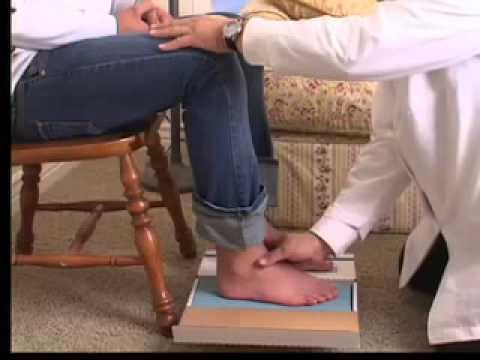
The custom orthotic process is accessible, thorough, and patient-centered. A clinician specializing in foot orthotics Calgary begins with a detailed biomechanical assessment. They observe your posture, gait pattern, and foot structure in detail. Specific clinical tests evaluate muscle strength, joint mobility, and pressure distribution.
A cast or digital scan of your foot captures the three-dimensional structure precisely. The clinical findings and foot scan together inform the orthotic prescription. The resulting device is fabricated by trained orthotics technicians using professional-grade materials. A fitting appointment ensures proper fit, and any necessary adjustments are made on the spot.
Adapting to Custom Orthotics: What to Expect
Most patients adapt to custom orthotics within one to two weeks of beginning regular use. A gradual introduction is recommended to allow the foot and lower extremity to adjust. Starting with a few hours daily and increasing incrementally is the standard approach. Mild awareness or initial discomfort during adaptation is normal and expected.
If discomfort persists beyond two weeks, a follow-up appointment allows adjustments to be made. Orthotics should feel supportive and comfortable once the adaptation period is complete. Most patients find that discomfort resolves quickly and comfort improves progressively from that point onward.
Long-Term Benefits of Custom Orthotic Use
The benefits of custom orthotics compound meaningfully over time with consistent use. Chronic pain conditions that have been present for months or years gradually resolve. Compensatory patterns that have developed up the kinetic chain normalize as foot mechanics improve. Energy expenditure during walking and standing decreases as mechanical efficiency improves.
Many patients report being able to resume activities they had abandoned due to foot pain. Walking longer distances, returning to recreational sport, and standing comfortably at work all become possible again. The restoration of physical capacity that custom orthotics enables has profound quality-of-life implications. This return to activity and comfort is the most meaningful measure of their success.
Final Thoughts on Custom Orthotics for Daily Comfort
Custom foot orthotics represent a precision solution to a complex and personal problem. They address the biomechanical root causes of foot discomfort rather than merely cushioning its symptoms. The result is genuine, lasting improvement in how the foot feels and functions throughout every day. For anyone experiencing regular foot pain or lower extremity discomfort, a custom orthotic assessment is a logical next step.
Consult with a qualified orthotics professional to understand whether custom devices are appropriate for your situation. The assessment process is straightforward and the investment is well justified by the results. Step into greater comfort, mobility, and daily physical confidence with orthotics designed precisely for your feet.

 English
 Arabic
 French
 Spanish
 Portuguese
 Turkish
 Dutch
Dutch
 Italiano
 Russian
 Romaian
 Portuguese (Brazil)
 Greek
Greek