


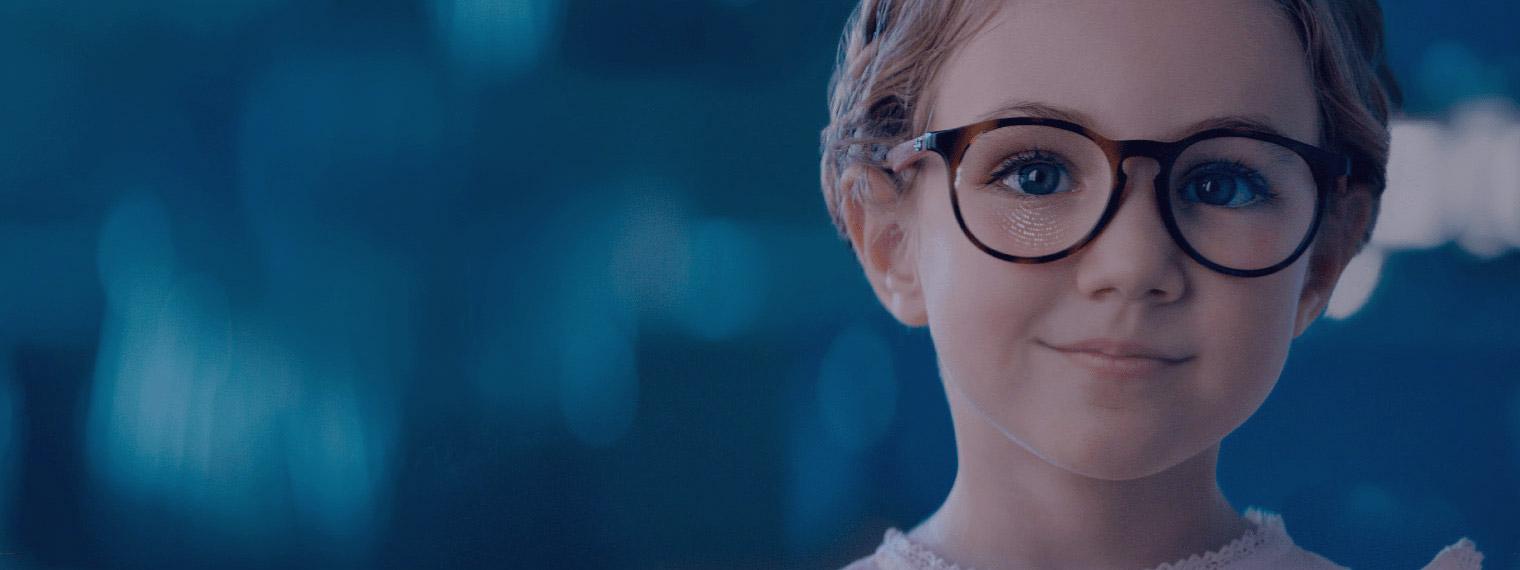
Children's eyes are among the most dynamic biological structures. They grow rapidly and are highly sensitive to environmental influences. Myopia develops when this growth becomes excessive. The resulting visual changes can affect every aspect of a child's daily life. Specialized lenses have emerged as a powerful tool for protecting children's vision.
The Challenge of Childhood Myopia
Myopia is the most common refractive error among children globally. Its prevalence has increased dramatically over the past three decades. Today, more than one-third of the global population is affected. In some East Asian countries, rates exceed eighty percent in young adults. The epidemic proportions of myopia demand effective clinical responses.
Children typically develop myopia between ages six and twelve. The condition progresses most rapidly during school-age years. Annual prescription changes of half a diopter or more are common. Without intervention, children can reach high prescription levels by adulthood. High myopia is associated with significantly elevated risks of serious eye disease.
The Risk of Untreated Progressive Myopia
Untreated progressive myopia has well-documented long-term consequences. Each diopter of additional prescription increases complication risks. The retina becomes thinner and more vulnerable as the eye elongates. Small tears can develop and progress to vision-threatening retinal detachments. The macula may develop degenerative changes associated with myopic maculopathy.
Glaucoma risk also rises with increasing prescription strength. The optic nerve becomes more susceptible to pressure-related damage. Even normal intraocular pressure can be damaging in highly myopic eyes. Cataracts develop earlier in highly myopic individuals than in the general population. Controlling progression early is the most effective way to reduce these risks.
How Lenses Are Designed to Protect Young Eyes
Lenses designed for myopia management are fundamentally different from standard prescriptions. Standard lenses correct blur by focusing central light correctly. However, they do not address the peripheral retinal signals driving eye growth. The peripheral retina receives hyperopic defocus with standard glasses. This peripheral signal may act as a growth stimulus for the eye.
Specialized lenses are engineered to correct both central and peripheral focus. Concentric optical zones create targeted myopic defocus in the peripheral field. This peripheral signal communicates that further eye growth is not needed. The biological response is a reduction in axial elongation rate. This mechanism is scientifically validated and clinically well-established.
The Concentric Zone Design Explained
The lens surface is divided into alternating optical zones. The central zone provides clear distance correction for the child. Surrounding zones are engineered to create a specific amount of defocus. The defocus is precisely calculated to generate the therapeutic signal. Multiple zones ensure coverage of the peripheral retinal area.
The mathematical precision of zone design is remarkable. Optical engineers model the light path through each zone carefully. Clinical trials validate the zone designs before commercial release. Different brands use different zone configurations and parameters. Your optometrist selects the most appropriate brand for each individual child.
Evidence Supporting Lens Use in Children
The clinical evidence for specialized lens effectiveness is strong. Multiple randomized controlled trials have been published. These trials compare axial length growth in treated and untreated children. Treated children consistently show slower axial elongation. The magnitude of effect varies by lens design and study population.
Some trials report axial length reduction of forty to sixty percent. This means treated children grow their eyes nearly half as fast. Over several years, this difference translates to meaningfully lower prescriptions. The clinical significance of this reduction is substantial. Parents can trust that the evidence behind these lenses is robust.
What Clinical Trials Tell Us About Long-Term Safety
Safety is a primary concern for any treatment given to children. Long-term clinical trial data supports the safety of specialty soft lenses. Complication rates are comparable to standard soft lens wear. Children do not face additional risk from the therapeutic lens design itself. The optical mechanism operates passively through light modification.
Regular optometry monitoring ensures ongoing safety throughout treatment. Corneal health is assessed at each follow-up appointment. Any early signs of complications are detected and addressed promptly. The structured monitoring that accompanies treatment adds a safety layer. Parents can feel reassured knowing regular professional oversight is built into the program.
Practical Aspects of Lens Use for Children
Introducing contact lenses to children requires thoughtful preparation. Most children adapt more easily than parents anticipate. The first fitting session includes instruction on insertion and removal. Children practice with the guidance of the optometrist or trained staff. Most children achieve confident independent wear within a few days.
Myopia control contact lenses in daily disposable formats are ideal for most children. There is no lens care routine to manage each evening. Parents do not need to supervise cleaning or storage. Each morning begins with a fresh, sterile lens from the packaging. This simplicity dramatically improves compliance and convenience.
Age Considerations for Starting Lens Wear
Many parents wonder whether their child is old enough for contact lenses. Research suggests that children as young as eight can wear lenses successfully. Maturity, responsibility, and hygiene habits are more important than age alone. An optometrist assesses each child individually before recommending lenses. Children who are highly motivated tend to adapt most successfully.
A trial fitting session reveals how a child responds to lens handling. Some children take to it immediately with minimal anxiety. Others need a few sessions to build confidence with insertion and removal. Patience and positive reinforcement from parents accelerate adaptation significantly. Most children become proficient contact lens wearers within the first week.
Supporting Your Child's Treatment at Home
Parents play an indispensable role in treatment success. Consistent lens wear is the most important factor in treatment effectiveness. Parents should monitor daily compliance without creating unnecessary pressure. Establishing a morning lens routine as part of getting ready helps. Consistency in routine supports consistency in compliance.
Scheduling and attending all follow-up appointments is equally important. These appointments track axial length and confirm the treatment is working. Missing appointments interrupts the monitoring process. Treatment adjustments cannot be made without current measurement data. Prioritizing these appointments communicates to children that eye health matters.
Handling Lens-Related Challenges at Home
Occasional challenges with lens wear are normal and manageable. A lens that feels uncomfortable should be removed and inspected. Debris on the lens surface often causes temporary discomfort. Rinsing with appropriate lens solution usually resolves minor issues. If discomfort persists after reinsertion, the optometrist should be consulted.
Eye redness or irritation after lens removal warrants prompt attention. These symptoms may indicate early infection or corneal irritation. Seeking care quickly prevents minor issues from escalating. Children should be taught to communicate any eye discomfort promptly. An open line of communication between children and parents supports eye health.
Combining Lens Treatment With Healthy Visual Habits
Lens treatment works best within a broader healthy vision framework. Encouraging outdoor activity remains one of the most important recommendations. Two or more hours outdoors daily is consistently recommended by researchers. Sunlight exposure supports dopamine production in the retinal tissue. This neurochemical has a documented inhibitory effect on axial elongation.
Limiting excessive near work also reduces strain on developing eyes. Encouraging regular breaks from screens and reading is beneficial. The 20-20-20 rule is a practical and child-friendly guideline. Every 20 minutes, look 20 feet away for at least 20 seconds. Teaching this habit early builds lifelong visual hygiene awareness.
The Bigger Picture: A Lifetime of Healthier Vision
The decisions made during childhood have lifelong vision implications. Children who receive effective myopia management start adulthood healthier. Lower adult prescriptions mean less risk, less cost, and better quality of life. The investment made in childhood pays dividends for many decades. Vision is fundamental to nearly every aspect of human experience.
Specialized lenses represent one of the most impactful tools available. They are safe, effective, evidence-based, and increasingly accessible. Parents who seek specialized care for their myopic children are making a genuinely important choice. That choice reflects both love and informed health advocacy. The result is a child better positioned for a lifetime of clear and healthy vision.

 English
 Arabic
 French
 Spanish
 Portuguese
 Deutsch
 Dutch
Dutch
 Italiano
 Russian
 Romaian
 Portuguese (Brazil)
 Greek
Greek