


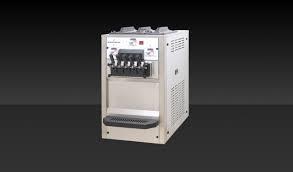
The Canadian foodservice industry is experiencing a significant transformation, and one category leading the change is soft serve. What was once viewed as a seasonal treat is now becoming a year-round revenue driver for restaurants, cafés, convenience stores, food trucks, campgrounds, and entertainment venues. As customer demand for premium frozen desserts continues growing, businesses across Canada are investing in soft ice cream machines to create new revenue streams and improve customer experiences.
Industry analysts predict continued growth in the global soft serve equipment market, driven by automation, customization, and changing consumer preferences. Businesses are increasingly recognizing that frozen desserts offer some of the strongest profit margins in foodservice while requiring relatively simple operations.
The Rise of Premium Soft Serve
Today's consumers expect more than a basic vanilla cone.
Across Canada, premium soft serve concepts are gaining popularity through unique flavour combinations, artisanal toppings, seasonal offerings, and visually appealing presentations. Social media platforms have played a major role in this shift, with customers actively seeking desserts that are both delicious and shareable.
Businesses are responding by introducing:
- Gourmet soft serve flavours
- Premium sauces and toppings
- Specialty sundaes
- Soft serve milkshakes
- Frozen dessert creations
These products help businesses increase average transaction values while creating memorable customer experiences.
Why Soft Ice Cream Machines Are in High Demand
The demand for soft ice cream machines continues growing because they provide flexibility and profitability.
Unlike many foodservice investments that serve a single purpose, a commercial soft ice cream machine can support multiple menu items from one piece of equipment.
Operators can offer:
- Soft serve cones
- Frozen yogurt
- Sundaes
- Milkshakes
- Frozen beverages
- Seasonal specialty desserts
This versatility makes soft serve equipment attractive to businesses looking to maximize return on investment while expanding their menu offerings.
Technology Is Driving Equipment Innovation
One of the biggest trends in commercial foodservice equipment is automation.
Modern soft ice cream machines now feature:
- Digital touch-screen controls
- Automatic cleaning systems
- Energy-efficient refrigeration
- Smart monitoring technology
- Faster recovery times
These innovations help businesses improve consistency while reducing labour requirements and maintenance concerns.
For busy operators, reliability and ease of operation have become just as important as production capacity when selecting equipment.
Customization Is the Future
Consumer preferences continue shifting toward personalization.
Today's customers want options.
Businesses are increasingly introducing:
- Multiple flavour choices
- Swirl combinations
- Plant-based alternatives
- Reduced-sugar options
- Functional ingredients
This demand for customization is encouraging operators to invest in twin-twist and multi-flavour soft ice cream machines that offer greater flexibility and menu creativity.
The ability to introduce limited-time flavours and seasonal promotions also helps businesses maintain customer interest throughout the year.
Soft Serve Is Expanding Beyond Ice Cream Shops
A major trend emerging across Canada is the expansion of soft serve programs into non-traditional locations.
Soft ice cream machines are now being installed in:
- Coffee shops
- Bakeries
- Convenience stores
- Campgrounds
- Family entertainment centres
- Sports facilities
- Quick-service restaurants
These businesses recognize that frozen desserts encourage impulse purchases while creating additional revenue opportunities without requiring significant kitchen space.
Many operators are discovering that soft serve complements existing menus and increases overall customer spending.
Sustainability Is Influencing Buying Decisions
Environmental responsibility is becoming increasingly important across the foodservice industry.
Equipment manufacturers are responding by developing machines that offer:
- Improved energy efficiency
- Reduced water consumption
- Environmentally friendly refrigerants
- Longer equipment life cycles
Businesses are paying closer attention to operating costs and sustainability initiatives when selecting commercial equipment.
As utility costs continue rising, energy-efficient soft ice cream machines are becoming particularly attractive investments.
The Business Case for Soft Serve
One reason soft serve remains appealing is profitability.
Frozen desserts often require:
- Minimal preparation
- Low labour input
- Consistent ingredient costs
- Strong customer demand
When implemented correctly, a soft serve program can generate substantial returns while helping businesses diversify revenue sources.
For many Canadian operators, dessert sales represent one of the easiest ways to improve overall profitability without making major operational changes.
Looking Ahead
The future of the Canadian frozen dessert market looks promising.
Consumers continue seeking premium experiences, customizable products, and convenient indulgences. At the same time, equipment manufacturers are introducing smarter, more efficient machines designed to meet the evolving needs of modern foodservice operations.
As competition increases, businesses that embrace innovation and adapt to changing consumer preferences will be best positioned for long-term success.
Conclusion
Soft ice cream machines have evolved far beyond their traditional role in ice cream shops. Today, they are helping businesses across Canada increase profits, expand menus, and respond to growing consumer demand for premium frozen desserts.
With trends such as customization, automation, sustainability, and year-round dessert consumption driving market growth, soft serve is becoming one of the most exciting opportunities in the foodservice industry. Businesses that invest in modern soft ice cream machines today are positioning themselves to capitalize on a growing market that shows no signs of slowing down.

 English
 Arabic
 French
 Spanish
 Portuguese
 Deutsch
 Turkish
 Dutch
Dutch
 Russian
 Romaian
 Portuguese (Brazil)
 Greek
Greek