


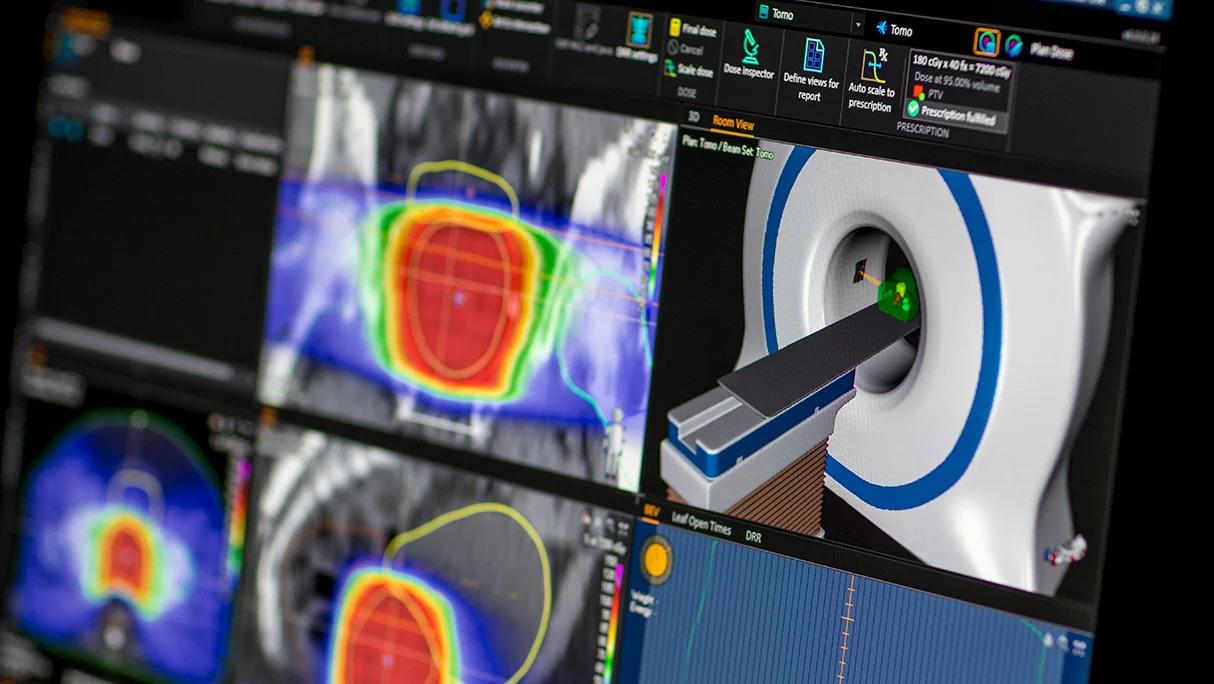
Radiation therapy has become one of the most effective treatment options for many types of cancer. The success of radiation treatment largely depends on the quality and accuracy of treatment planning. Advanced techniques such as IMRT treatment planning, VMAT planning dosimetrist services, and SBRT treatment planning have transformed the way healthcare providers deliver precise and personalized cancer care. By utilizing these sophisticated planning methods, oncology teams can maximize tumor control while minimizing radiation exposure to healthy tissues.
Understanding IMRT Treatment Planning
IMRT treatment planning (Intensity-Modulated Radiation Therapy) is an advanced radiation therapy technique that allows clinicians to deliver highly targeted radiation doses to tumors. Through computer-controlled radiation beams, IMRT can adjust the intensity of radiation across different treatment areas.
This level of precision is especially valuable when treating cancers located near critical organs and structures. By carefully shaping radiation doses around the tumor, IMRT helps reduce side effects and improve treatment outcomes. Medical dosimetrists play a crucial role in creating customized treatment plans that meet physician goals while maintaining patient safety.
The Role of a VMAT Planning Dosimetrist
A skilled VMAT planning dosimetrist is essential for creating efficient and accurate treatment plans using Volumetric Modulated Arc Therapy (VMAT). This advanced technique delivers radiation while the treatment machine rotates around the patient, allowing for highly conformal dose distribution.
VMAT offers several advantages, including shorter treatment sessions and improved dose accuracy. The planning process requires careful optimization to ensure the tumor receives the prescribed dose while protecting surrounding healthy tissues. Experienced dosimetrists use specialized software and clinical expertise to design plans that meet strict quality standards and support positive patient outcomes.
Benefits of SBRT Treatment Planning
SBRT treatment planning (Stereotactic Body Radiation Therapy) is designed for delivering high doses of radiation with exceptional precision over a limited number of treatment sessions. This approach is commonly used for treating small, well-defined tumors in areas such as the lungs, liver, spine, and pancreas.
Because SBRT uses very high radiation doses, treatment planning must be extremely accurate. Every aspect of the plan, including target definition, dose calculations, and organ protection, requires careful attention. Advanced imaging and sophisticated planning systems help dosimetrists create treatment plans that maximize effectiveness while minimizing risks to nearby tissues.
Why SBRT Lung Treatment Planning Requires Specialized Expertise
Among the most challenging radiation therapy procedures is SBRT lung treatment planning. Lung tumors can move during normal breathing, making accurate targeting more complex than many other treatment sites.
To address this challenge, dosimetrists use advanced imaging techniques and motion management strategies to account for tumor movement. Precise planning helps ensure radiation remains focused on the target throughout treatment. Effective SBRT lung planning can improve local tumor control while reducing exposure to healthy lung tissue and surrounding organs.
How Remote Dosimetrist Supports Advanced Treatment Planning
Remote Dosimetrist provides professional treatment planning support for radiation oncology practices seeking expert dosimetry services. By leveraging modern technology and extensive clinical experience, the company assists healthcare providers with complex planning requirements across multiple treatment modalities.
Whether facilities require support for IMRT treatment planning, assistance from an experienced VMAT planning dosimetrist, or specialized SBRT treatment planning, Remote Dosimetrist helps ensure plans are developed efficiently and accurately. This flexible service model allows oncology departments to maintain productivity while accessing highly skilled dosimetry expertise.
Improving Patient Outcomes Through Precision Planning
Modern radiation oncology depends on precision, consistency, and clinical expertise. Advanced treatment techniques require carefully developed plans that balance treatment effectiveness with patient safety. High-quality dosimetry support enables physicians and clinical teams to deliver personalized treatments that meet the unique needs of each patient.
As cancer treatment technologies continue to evolve, the demand for specialized planning services will continue to grow. Techniques such as IMRT treatment planning, VMAT planning dosimetrist support, and SBRT lung treatment planning will remain essential components of modern radiation therapy programs.
Conclusion
Advanced radiation therapy techniques have significantly improved the ability to treat cancer with greater precision and fewer side effects. From IMRT treatment planning and VMAT optimization to highly specialized SBRT treatment planning, expert dosimetry plays a critical role in achieving successful outcomes. Through comprehensive planning support and industry expertise, Remote Dosimetrist helps healthcare organizations deliver safe, effective, and high-quality radiation therapy for patients facing cancer treatment.

 English
 French
 Spanish
 Portuguese
 Deutsch
 Turkish
 Dutch
Dutch
 Italiano
 Russian
 Romaian
 Portuguese (Brazil)
 Greek
Greek