


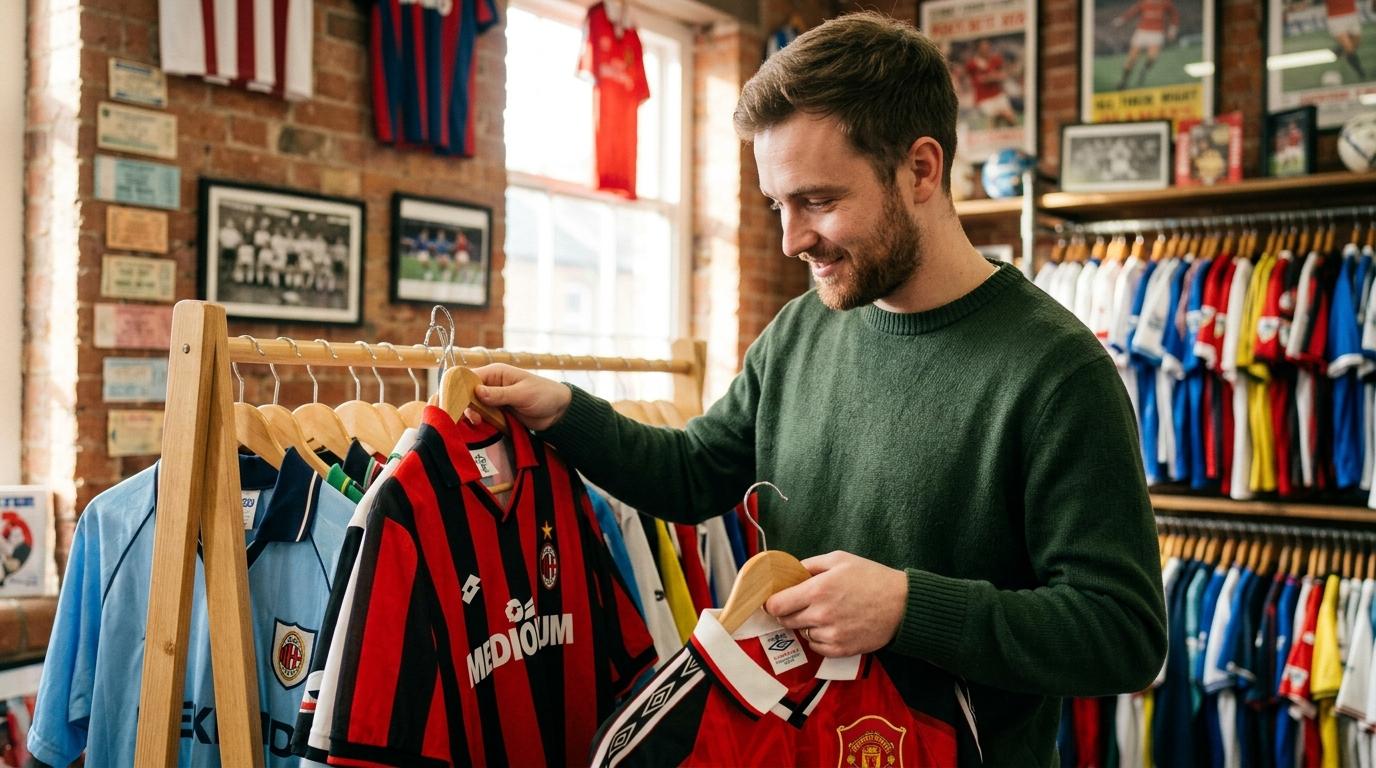
Vintage football shirts carry more than fabric and stitching. They represent eras of football history, legendary players, iconic matches, and changing design styles over decades. In 2026, demand for vintage shirts continues to grow as collectors, fans, and fashion enthusiasts look for unique pieces that stand out from modern kits.
Understanding vintage shirts requires more than just recognizing old designs. It involves knowing how to identify eras, assess condition, and understand what makes a shirt valuable in the collector’s market.
What Counts as a Vintage Football Shirt
A football shirt is generally considered vintage when it is from an older era, typically 15 to 25 years or more. However, “vintage” is not strictly defined and often depends on demand and rarity.
Common categories include:
- Shirts from the 1980s and 1990s
- Early 2000s classic kits
- Limited edition tournament shirts
- Discontinued club designs
The older and rarer the shirt, the more interest it usually attracts from collectors.
Why Vintage Shirts Are So Popular
Vintage football shirts have gained popularity for several reasons:
Nostalgia Factor
Many fans want shirts from the era when they first started watching football or supporting a club.
Unique Designs
Older shirts often feature bold patterns, classic collars, and sponsor logos that are no longer used today.
Cultural Value
Some shirts are tied to historic football moments such as World Cup wins, league titles, or legendary performances.
Fashion Appeal
Vintage kits are now worn as streetwear, not just sports apparel.
Key Eras of Vintage Football Shirts
Understanding different football eras helps collectors identify valuable shirts.
1980s Era
Simple designs, heavy fabrics, and early sponsorship logos defined this period. Shirts from this era are highly collectible.
1990s Era
Known for bold patterns, bright colors, and experimental designs. This decade is one of the most popular among collectors.
Early 2000s Era
More modern materials began to appear, but designs still had unique character and club identity.
Pre-Modern Era (pre-1980s)
Rare and often hard to find. These shirts are usually highly valuable due to scarcity.
How to Identify a Genuine Vintage Shirt
Authenticity is critical in vintage football shirt collecting. Many replicas exist in the market, so attention to detail is important.
Look for:
- Original manufacturer tags (Adidas, Umbro, Nike, Kappa, etc.)
- Correct stitching patterns for the era
- Sponsor logos consistent with that season
- Official club badges from the correct period
- Fabric type matching older production styles
Small inconsistencies can indicate a reproduction or fake item.
Condition Matters More Than Age
A shirt’s condition significantly affects its value. Even rare vintage shirts lose appeal if they are heavily damaged.
Check for:
- Faded colors
- Cracked printing or logos
- Loose threads or stitching damage
- Stains or fabric wear
- Missing labels or tags
Collectors often prefer well-preserved shirts even if they are slightly newer than heavily damaged older ones.
Most Valuable Vintage Football Shirts
Some vintage shirts are highly sought after due to their historical importance.
Examples include:
- World Cup winning kits
- Club championship-winning seasons
- Limited edition anniversary shirts
- Shirts worn by legendary players
Value is driven by emotional significance as much as rarity.
Where to Find Vintage Football Shirts
Finding authentic vintage shirts requires patience and research. Common sources include:
- Specialist vintage football stores
- Online collector marketplaces
- Auction platforms
- Football memorabilia fairs
- Private collectors and trade groups
Always verify seller reputation before purchasing.
How to Store Vintage Shirts Properly
Proper storage helps maintain condition and long-term value.
Best practices include:
- Hanging shirts using padded hangers
- Keeping them away from sunlight
- Using breathable garment bags
- Avoiding plastic wrapping for long-term storage
- Maintaining a dry environment
Good storage can preserve fabric quality for years.
Mistakes New Collectors Make
Many beginners make avoidable mistakes when starting vintage collections:
- Buying fake or replica shirts unknowingly
- Ignoring condition issues
- Overpaying for common designs
- Not researching shirt history
- Poor storage habits
Avoiding these mistakes helps build a stronger and more valuable collection.
ShowBoat and Vintage Football Culture
Collectors often look for trusted sources that understand football heritage and quality. Platforms like ShowBoat focus on bringing curated football shirts that reflect classic football culture and design history.
Having a reliable source helps collectors avoid counterfeit products and find genuine vintage pieces more confidently.
Conclusion
Vintage football shirts are more than collectibles; they are pieces of football history. Each shirt tells a story about a team, a season, or a moment that shaped the game. Building a vintage collection requires patience, attention to detail, and understanding of football heritage.
Collectors who take time to learn about eras, authenticity, and condition will build collections that grow in both value and meaning over time.

 English
 Arabic
 French
 Spanish
 Portuguese
 Turkish
 Dutch
Dutch
 Italiano
 Russian
 Romaian
 Portuguese (Brazil)
 Greek
Greek