


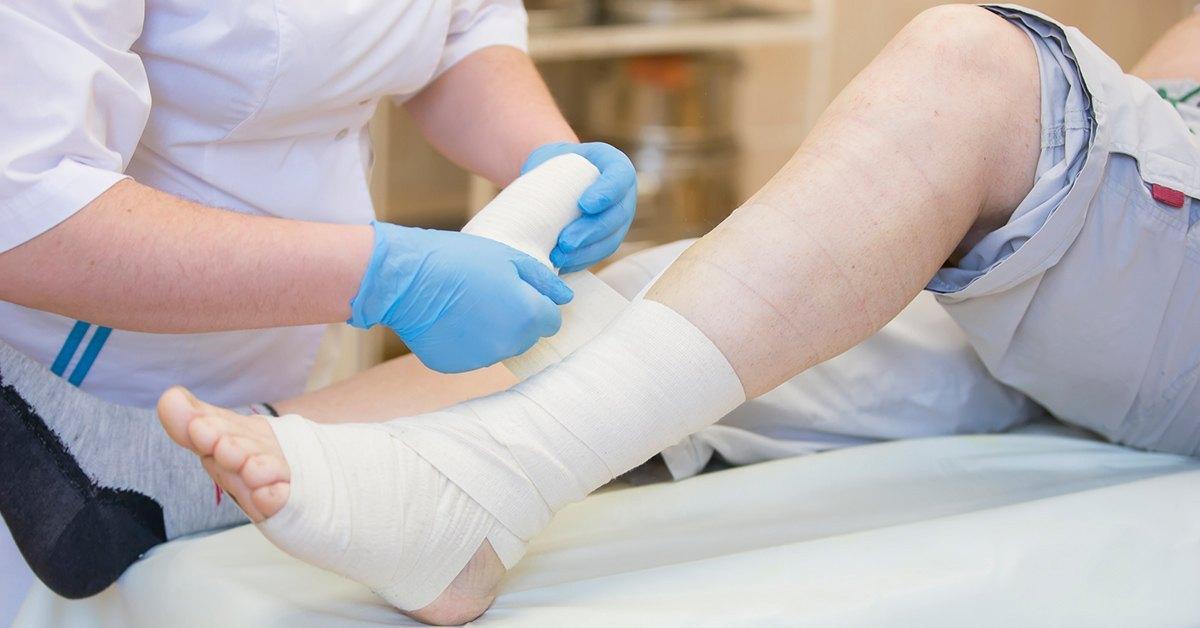
Proper wound care is essential for preventing infections, reducing healing time, and avoiding complications. Many individuals rely on Wound Dressing at Home in Dubai to manage minor injuries, post-surgical wounds, or chronic conditions in a comfortable environment. While home-based wound care can be effective, mistakes during the dressing process can interfere with healing and increase the risk of infection. Consulting a Doctor at Home can help ensure wounds are managed correctly, but understanding the most common dressing errors is equally important for maintaining safe and effective wound care practices.
Neglecting Proper Hand Hygiene:
One of the most common mistakes people make is failing to wash their hands thoroughly before touching a wound or changing a dressing. Hands naturally carry bacteria and other microorganisms that can easily contaminate an open wound. Even if the wound appears minor, introducing germs can lead to infection and delayed healing. Proper hand hygiene should always include washing with soap and water for at least twenty seconds before and after every dressing change. Wearing clean gloves can provide an additional layer of protection and help maintain a sterile environment during wound care.
Using Non-Sterile Supplies:
Many people underestimate the importance of sterile wound care materials and may use tissues, cotton, or previously opened supplies that have been exposed to contaminants. Using non-sterile products can introduce bacteria directly into the wound, increasing the likelihood of complications. Essential sterile supplies include:
- Sterile gauze pads
- Disposable gloves
- Medical tape
- Saline solution
- Individually packaged dressings
Keeping a dedicated wound care kit with sterile materials helps reduce contamination risks and supports a safer healing process.
Cleaning the Wound Incorrectly:
Improper wound cleaning is another frequent mistake that can affect recovery. Some individuals scrub wounds aggressively or use harsh substances that may damage healthy tissue. Others may skip cleaning altogether before applying a new dressing. Effective wound cleaning involves gently rinsing the area with a recommended solution and removing debris without causing additional trauma. Gentle care preserves healing tissue and creates a healthier environment for recovery.
Changing Dressings Too Frequently:
Although keeping a wound clean is important, changing the dressing too often can interfere with the body's natural healing process. Every dressing change disturbs the wound environment and may damage newly formed tissue if not performed carefully. Excessive dressing changes can also expose the wound to contaminants more frequently. Following the recommended schedule provided by healthcare professionals helps maintain the right balance between cleanliness and uninterrupted healing.
Leaving Dressings on for Too Long:
At the opposite end of the spectrum, some individuals wait too long before replacing a dressing. A dressing that becomes wet, dirty, or saturated with drainage can become a breeding ground for bacteria. Delayed dressing changes may also prevent proper monitoring of the wound's condition. It is important to inspect dressings regularly and replace them according to medical guidance or whenever they become compromised.
Touching the Wound Unnecessarily:
Many people unknowingly increase infection risks by touching the wound repeatedly during dressing changes or routine inspections. Frequent contact can transfer bacteria from the hands to the wound and disrupt fragile healing tissue. To minimize risks:
- Avoid direct contact whenever possible
- Use sterile gloves
- Handle only the edges of dressings
- Use sterile instruments if needed
- Keep wound exposure time to a minimum
Reducing unnecessary contact helps protect the wound and supports optimal healing conditions.
Applying Dressings Too Tightly:
Securing a dressing too tightly is a common mistake that can restrict blood circulation and delay healing. Proper blood flow is essential because it delivers oxygen and nutrients needed for tissue repair. Tight dressings may also cause discomfort, swelling, or skin irritation around the wound. Dressings should be secure enough to stay in place but loose enough to allow normal circulation and movement.
Ignoring Early Signs of Infection:
Some individuals fail to recognize the warning signs of infection until the condition becomes more serious. Monitoring the wound daily is essential for identifying changes that may require medical attention. Signs that should never be ignored include:
- Increasing redness
- Swelling around the wound
- Persistent pain
- Pus or unusual discharge
- Fever or chills
- Unpleasant odor
Recognizing these symptoms early allows for timely treatment and reduces the likelihood of complications.
Using Home Remedies Without Professional Guidance:
While home remedies are often shared through family traditions or online sources, not all of them are suitable for wound care. Applying unverified substances to wounds may irritate the skin, introduce bacteria, or interfere with healing. Professional wound care recommendations are typically based on evidence and clinical experience. Relying on medically approved products and methods is generally the safest approach for promoting recovery and preventing infection.
Failing to Monitor Healing Progress:
Many people focus solely on changing the dressing without evaluating how the wound is healing over time. Monitoring progress allows individuals to identify improvements or detect complications before they worsen. Important factors to observe include:
- Reduction in wound size
- Changes in drainage levels
- Skin color around the wound
- Degree of swelling
- Overall comfort and pain levels
Consistent observation helps ensure that healing is progressing as expected and provides valuable information if medical consultation becomes necessary.
Delaying Professional Medical Care:
Although many wounds can be treated successfully at home, some situations require professional intervention. Deep cuts, surgical wounds, diabetic ulcers, and wounds that fail to improve should not be managed independently for extended periods. A Doctor at Home service can provide expert assessment and treatment in the comfort of a patient's residence, helping to prevent complications and promote proper healing. Seeking professional support when needed is a responsible step that can significantly improve recovery outcomes.
Final Thoughts:
Home wound care can be highly effective when performed correctly, but simple mistakes can increase the risk of infection and slow the healing process. Understanding common errors such as poor hand hygiene, improper cleaning, delayed dressing changes, and ignoring signs of infection can help individuals make better decisions during recovery. For those utilizing Wound Dressing at Home in Dubai, following proper wound care practices and seeking assistance from a Doctor at Home when necessary can support safer healing, greater comfort, and improved long-term health outcomes.

 English
 Arabic
 French
 Spanish
 Portuguese
 Turkish
 Dutch
Dutch
 Italiano
 Russian
 Romaian
 Portuguese (Brazil)
 Greek
Greek