


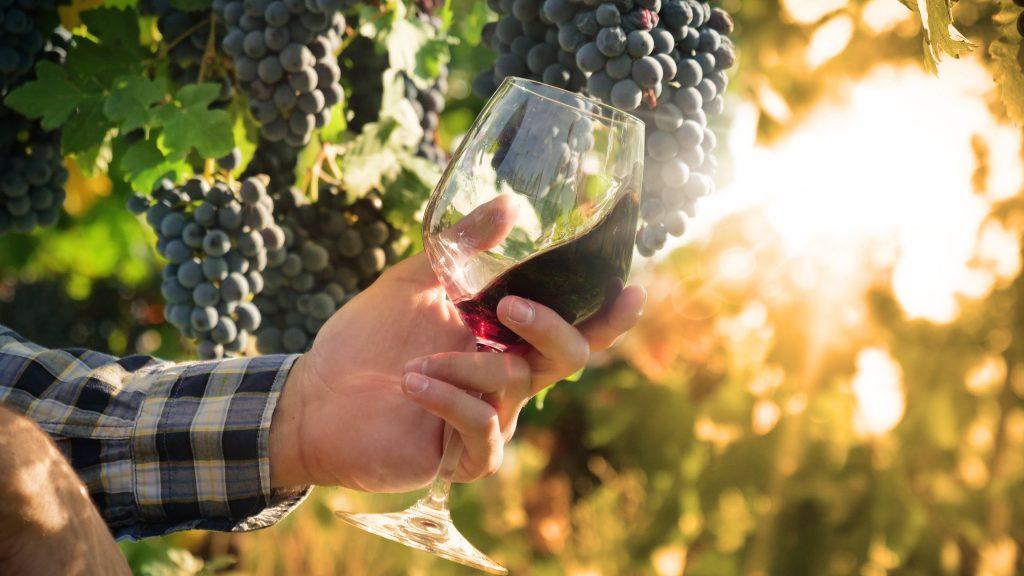
The growing demand for healthier and more environmentally responsible products has transformed many industries, including winemaking. Consumers today are increasingly interested in understanding where their food and beverages come from and how they are produced.
As a result, wines made through sustainable and environmentally conscious methods have gained significant attention. Many producers are now focusing on natural farming techniques that protect ecosystems, improve soil health, and reduce the use of synthetic chemicals.
Choosing wines from vineyards that embrace organic and natural farming practices offers benefits that extend beyond taste. These methods help preserve biodiversity, support local wildlife, and contribute to healthier agricultural systems. For wine enthusiasts seeking quality and sustainability, understanding the principles behind these farming approaches is essential.
What Makes a Wine Organic?
Organic wine begins with organically grown grapes. Vineyards following organic standards avoid synthetic pesticides, herbicides, and chemical fertilizers. Instead, they rely on natural alternatives such as compost, cover crops, and biological pest control methods to maintain healthy vines.
Certification requirements vary by country, but the core principle remains the same: minimizing artificial inputs while promoting ecological balance. This approach allows vineyards to work with nature rather than against it, creating a more sustainable production system.
Many consumers choose products from organic wine brands because they appreciate both the environmental benefits and the commitment to cleaner agricultural practices.
The Importance of Natural Farming in Viticulture
Natural farming focuses on creating a self-sustaining ecosystem within the vineyard. Rather than depending heavily on chemical interventions, growers encourage biodiversity and soil regeneration. Cover crops planted between rows of vines help prevent erosion, improve soil structure, and attract beneficial insects.
Healthy soil plays a critical role in grape quality. Rich organic matter supports microbial activity, which enhances nutrient availability for vines. As a result, grapes often develop more complex flavors that reflect the characteristics of the region where they are grown.
Natural farming practices also improve resilience against climate challenges. Vineyards with healthy soils can retain water more effectively during drought periods while reducing runoff during heavy rainfall.
Leading Producers Committed to Sustainability
Several well-known wineries around the world have embraced environmentally friendly farming methods. These producers recognize that long-term vineyard health depends on maintaining ecological balance.
In regions such as France, Italy, Spain, and California, many wineries have transitioned from conventional agriculture to organic and biodynamic methods. Their commitment often includes reducing carbon emissions, conserving water resources, and protecting surrounding habitats.
Some vineyards go beyond certification requirements by integrating regenerative agriculture principles. These practices focus on rebuilding soil fertility, increasing biodiversity, and improving overall ecosystem health. Such efforts demonstrate how modern winemaking can coexist with environmental stewardship.
When researching organic wine brands, consumers often discover producers that prioritize transparency and sustainability throughout the entire production process.
Biodiversity and Vineyard Health
One of the most significant advantages of natural farming is the promotion of biodiversity. Conventional agriculture often reduces ecological diversity through intensive chemical use. In contrast, sustainable vineyards encourage a wide range of plant and animal species.
Wildflowers, cover crops, birds, and beneficial insects all contribute to a healthier vineyard environment. Predatory insects help control pests naturally, reducing the need for chemical treatments. Birds and small animals also play important roles in maintaining ecological balance.
Biodiversity creates a more resilient farming system capable of adapting to environmental changes. It also enhances the beauty and vitality of vineyard landscapes, making them healthier for both wildlife and agricultural production.
How Organic Practices Influence Wine Quality
Many winemakers believe that healthy vineyards produce grapes with greater character and complexity. By avoiding excessive chemical inputs, growers allow vines to interact more naturally with their environment.
The concept of terroir—the unique combination of soil, climate, and geography—becomes more apparent when vineyards rely on natural farming methods. Grapes can better express regional characteristics, resulting in wines with distinctive flavors and aromas.
While taste remains subjective, many consumers appreciate the authenticity associated with sustainably farmed wines. The emphasis on quality over quantity often leads to careful vineyard management and lower yields, which can contribute to enhanced flavor concentration.
Challenges Faced by Sustainable Wineries
Despite their benefits, natural farming practices present several challenges. Organic vineyard management often requires more labor, careful monitoring, and specialized knowledge. Growers must find alternative ways to manage pests, diseases, and weeds without relying on synthetic chemicals.
Weather conditions can also impact production. Excessive rainfall, humidity, or disease pressure may increase the difficulty of maintaining organic standards. As a result, some wineries face higher production costs compared to conventional operations.
However, many producers view these challenges as worthwhile investments in environmental sustainability and long-term vineyard health. Their dedication continues to inspire positive changes throughout the wine industry.
Consumer Demand Driving Change
The market for sustainably produced wine continues to expand as consumers become more environmentally conscious. Shoppers increasingly seek products that align with their values, including responsible farming and ethical production methods.
This growing demand has encouraged more wineries to explore organic certification and regenerative farming techniques. Retailers and restaurants are also responding by expanding their selections of environmentally friendly wines.
As awareness grows, consumers have greater opportunities to support vineyards that prioritize ecological responsibility. Purchasing from organic wine brands can contribute to a broader movement toward sustainable agriculture and environmental preservation.
Tips for Choosing Sustainably Produced Wines
When selecting wines produced through natural farming methods, consumers should look for certifications and information about vineyard practices. Labels indicating organic certification can assure that grapes were grown according to established standards.
Researching winery websites and sustainability reports can also offer valuable insights. Many producers openly share details about their farming methods, conservation efforts, and environmental goals.
In addition, consumers may consider seeking out wineries that emphasize regenerative agriculture, biodiversity conservation, and responsible water management. These factors often indicate a deeper commitment to environmental stewardship.
Conclusion
Natural farming practices are reshaping the future of winemaking by promoting healthier ecosystems, improving soil quality, and reducing dependence on synthetic chemicals. Wineries that embrace these methods demonstrate that exceptional wine production can go hand in hand with environmental responsibility.
As consumer interest in sustainability continues to grow, the influence of organic wine brands is likely to expand across global markets. By supporting producers dedicated to natural farming, wine enthusiasts can enjoy quality products while contributing to a more sustainable and environmentally conscious agricultural future.

 English
 French
 Spanish
 Portuguese
 Deutsch
 Turkish
 Dutch
Dutch
 Italiano
 Russian
 Romaian
 Portuguese (Brazil)
 Greek
Greek