


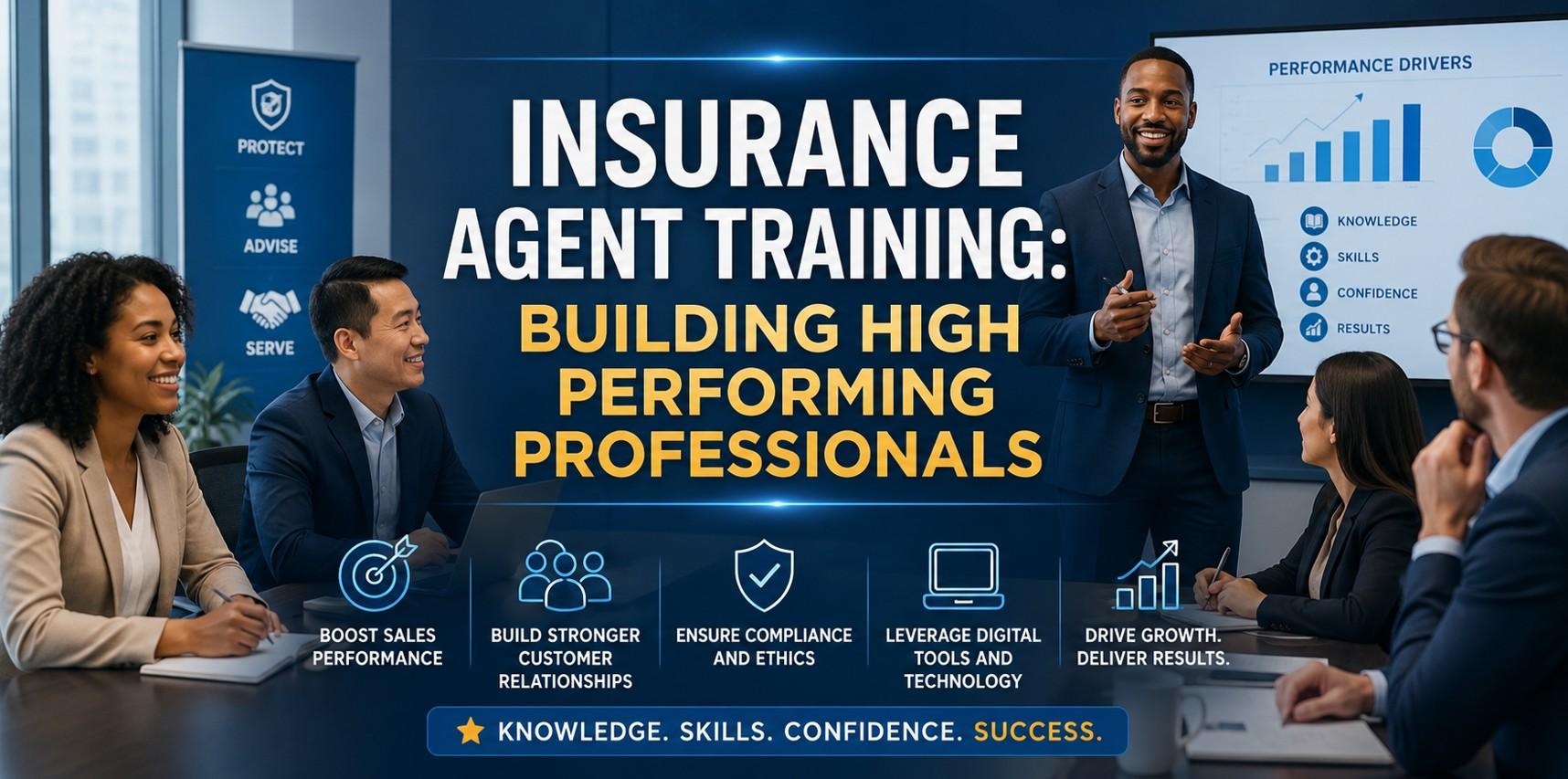
The insurance industry continues to evolve as customer expectations, regulations, and digital technologies reshape the way insurance products are sold and serviced. In this environment, insurance companies and agencies can no longer rely solely on product knowledge to drive success. Effective insurance agent training has become a critical investment that helps organizations improve sales performance, strengthen customer relationships, and maintain compliance.
Well trained insurance agents are more confident, knowledgeable, and capable of addressing client concerns. They can explain complex policies clearly, build trust with prospects, and deliver a superior customer experience. For businesses seeking sustainable growth, a structured training program is no longer optional. It is a strategic necessity.
Why Insurance Agent Training Matters
Insurance is a relationship driven business. Customers often make purchasing decisions based on trust and confidence in the agent representing the company. Without proper training, agents may struggle to communicate value, understand policy details, or navigate regulatory requirements.
Comprehensive insurance agent training helps organizations achieve several objectives:
-
Increase agent productivity and sales performance
-
Improve customer satisfaction and retention
-
Ensure compliance with industry regulations
-
Strengthen product knowledge and expertise
-
Enhance communication and negotiation skills
A well prepared workforce enables insurance companies to maintain a competitive advantage while reducing operational risks.
Key Components of an Effective Insurance Agent Training Program
Product Knowledge and Industry Understanding
One of the foundations of successful insurance agent training is a deep understanding of insurance products. Agents should be able to explain policy features, exclusions, benefits, and coverage options in a simple and professional manner.
Training should also include industry trends, market developments, and emerging customer needs. This broader understanding helps agents position products more effectively and provide valuable recommendations.
Sales and Customer Engagement Skills
Insurance professionals must be equipped with strong sales and relationship building skills. Modern customers expect personalized interactions rather than aggressive sales tactics.
Training programs should focus on:
-
Active listening techniques
-
Consultative selling approaches
-
Needs assessment strategies
-
Objection handling methods
-
Customer retention practices
When agents learn how to identify customer pain points and provide tailored solutions, conversion rates and client loyalty often improve significantly.
Regulatory Compliance and Ethics
The insurance sector operates within a highly regulated environment. Compliance failures can lead to financial penalties, legal complications, and reputational damage.
A strong training framework should educate agents about licensing requirements, data privacy regulations, ethical selling practices, and documentation standards. Continuous compliance education helps organizations reduce risks while protecting customer interests.
Digital Tools and Technology Training
Technology has transformed the insurance landscape. From customer relationship management platforms to digital quoting systems, agents are expected to use a variety of tools efficiently.
Training should cover digital platforms, automation tools, customer communication systems, and data management processes. Agents who understand technology can work more efficiently and provide a smoother experience for clients.
Benefits of Continuous Insurance Agent Training
Many organizations focus heavily on onboarding but overlook ongoing development. However, continuous learning is essential because insurance products, regulations, and customer expectations change regularly.
Ongoing training provides several long term advantages:
Higher Sales Performance
Agents who receive regular coaching and skill development opportunities are better equipped to identify sales opportunities and close deals effectively. Consistent training reinforces best practices and helps agents adapt to changing market conditions.
Improved Customer Trust
Customers prefer working with professionals who demonstrate expertise and confidence. Well trained agents can answer questions accurately, address concerns promptly, and recommend appropriate coverage solutions.
Increased Employee Retention
Professional development opportunities contribute to employee satisfaction and career growth. Organizations that invest in training often experience higher retention rates and stronger team engagement.
Better Business Results
Training directly influences key performance indicators such as customer satisfaction, policy renewals, lead conversion rates, and revenue growth. As agent capabilities improve, overall business performance tends to improve as well.
Best Practices for Insurance Agent Training
To maximize results, organizations should design training programs that are practical, engaging, and measurable.
First, combine classroom learning with real world scenarios and role playing exercises. This approach helps agents apply knowledge in realistic situations.
Second, personalize training based on experience levels. New agents may require foundational knowledge, while experienced professionals benefit from advanced sales and leadership development.
Third, use performance metrics to evaluate training effectiveness. Monitoring outcomes such as sales growth, customer feedback, and compliance performance can help identify areas for improvement.
Finally, encourage a culture of continuous learning. Providing regular workshops, coaching sessions, and professional certifications keeps agents informed and motivated.
The Future of Insurance Agent Training
As digital transformation accelerates, insurance agent training will continue to evolve. Artificial intelligence, data analytics, and virtual learning platforms are creating new opportunities for personalized and scalable training experiences.
Future focused organizations are already adopting technology driven learning strategies that allow agents to access training resources anytime and anywhere. These flexible learning models support faster skill development and improved knowledge retention.
Companies that embrace modern training methods will be better positioned to attract top talent, meet customer expectations, and drive long term business success.
Conclusion
Insurance agent training plays a vital role in building knowledgeable, confident, and high performing professionals. Beyond improving sales results, effective training enhances customer satisfaction, supports regulatory compliance, and strengthens organizational growth.
In a competitive insurance market, businesses that prioritize continuous learning and development gain a significant advantage. By investing in comprehensive insurance agent training programs, companies can create a skilled workforce capable of delivering exceptional service and achieving sustainable success.
Frequently Asked Questions
What is insurance agent training?
Insurance agent training is a structured learning process that equips insurance professionals with product knowledge, sales skills, compliance awareness, and customer service capabilities needed to perform their roles effectively.
Why is insurance agent training important?
Training helps agents improve sales performance, enhance customer relationships, stay compliant with regulations, and build confidence when recommending insurance solutions.
How often should insurance agents receive training?
Insurance agents should participate in ongoing training throughout their careers. Regular updates ensure they remain informed about industry changes, regulatory requirements, and new products.
What topics should be included in insurance agent training?
A comprehensive program should cover insurance products, sales techniques, customer communication, regulatory compliance, ethics, digital tools, and industry trends.

 English
 Arabic
 French
 Spanish
 Portuguese
 Deutsch
 Turkish
 Dutch
Dutch
 Italiano
 Russian
 Romaian
 Greek
Greek