


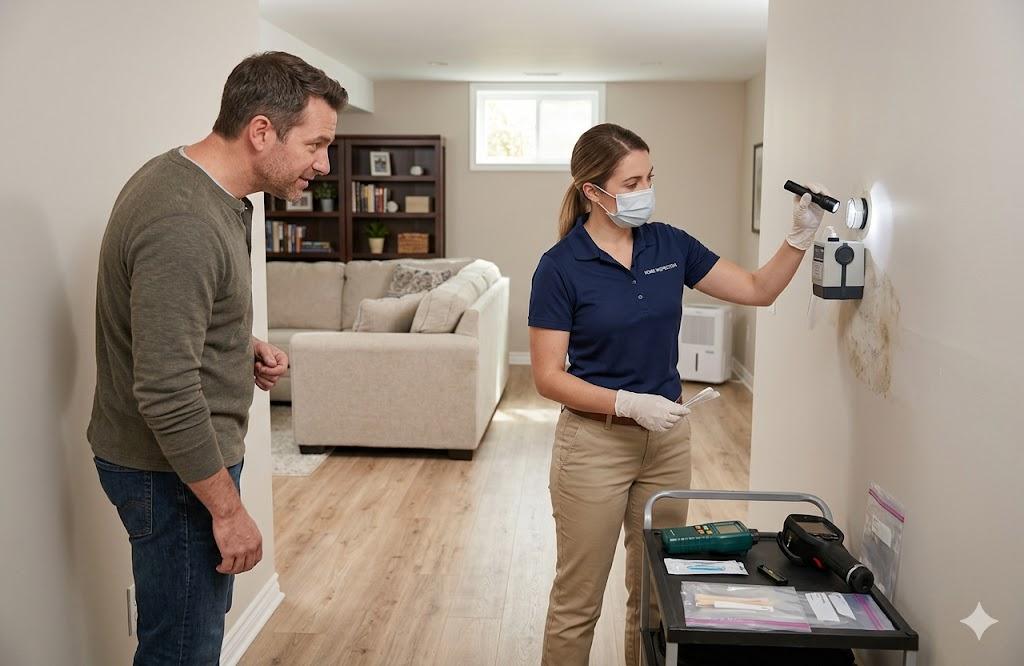
Mold growth is a common issue in residential and commercial properties, especially in areas with excess moisture, water damage, or poor ventilation. While some mold is visible, much of it can remain hidden behind walls, under flooring, inside HVAC systems, or in crawl spaces. This hidden mold can negatively impact indoor air quality and potentially affect the health of building occupants.
This is where mold inspection and testing become essential. A professional inspection helps identify mold problems early, while testing provides valuable information about the type and concentration of mold spores present in the environment. Together, these services help homeowners and property managers make informed decisions about remediation and prevention.
In this article, we will explore the importance of mold inspection and testing, the process involved, its benefits, and why professional services are often the best choice for maintaining a healthy indoor environment.
What Is Mold Inspection and Testing?
Mold inspection and testing is a specialized process used to detect mold growth and evaluate indoor air quality. The goal is to determine whether mold is present, identify affected areas, and assess the severity of contamination.
A mold inspection typically includes:
- Visual examination of the property
- Moisture detection and analysis
- Identification of potential mold growth areas
- Assessment of water damage and humidity levels
Mold testing may involve:
- Air sampling
- Surface sampling
- Bulk material sampling
- Laboratory analysis of collected samples
The combination of inspection and testing provides a comprehensive understanding of mold conditions within a property.
Why Mold Growth Occurs
Mold thrives in environments where moisture is present. Common causes of mold growth include:
Water Leaks
Leaks from roofs, plumbing systems, windows, or appliances can create ideal conditions for mold development.
High Humidity
Indoor humidity levels above 60% can encourage mold growth on walls, ceilings, and furnishings.
Flooding and Water Damage
Properties that have experienced flooding are at a significantly higher risk of mold contamination.
Poor Ventilation
Bathrooms, kitchens, basements, and attics with inadequate airflow can trap moisture and promote mold growth.
Understanding these causes is the first step toward preventing mold problems.
Signs You May Need Mold Inspection and Testing
Many property owners do not realize they have a mold problem until it becomes severe. Some common warning signs include:
Persistent Musty Odors
A strong earthy or musty smell often indicates hidden mold growth.
Visible Mold Growth
Black, green, white, or brown discoloration on surfaces can signal mold activity.
Recent Water Damage
If your property has experienced leaks, flooding, or condensation issues, mold may develop within 24 to 48 hours.
Health Symptoms
Some occupants may experience symptoms such as:
- Sneezing
- Coughing
- Nasal congestion
- Eye irritation
- Headaches
- Respiratory discomfort
Increased Humidity
Excess moisture indoors can create conditions favorable to mold growth.
If any of these signs are present, scheduling a professional mold inspection and testing service is highly recommended.
The Mold Inspection Process
Professional inspectors follow a systematic approach to identify mold issues accurately.
Initial Assessment
The inspector gathers information about the property's history, including water damage events, leaks, and occupant concerns.
Visual Inspection
A thorough examination of the property is conducted to locate visible mold and moisture-related problems.
Moisture Detection
Specialized tools such as moisture meters and thermal imaging cameras help identify hidden moisture behind walls and ceilings.
Risk Evaluation
The inspector determines areas at risk of mold growth and recommends appropriate testing methods.
This detailed process ensures that no significant mold issue goes unnoticed.
Understanding Mold Testing Methods
Air Sampling
Air samples are collected from different areas of the property to measure mold spore concentrations.
This method helps determine whether airborne mold levels are elevated compared to outdoor conditions.
Surface Sampling
Samples are collected from visible mold growth using swabs or tape lifts.
Surface testing helps identify the type of mold present.
Bulk Sampling
Pieces of contaminated material such as drywall, insulation, or carpet may be analyzed to assess mold contamination.
Laboratory Analysis
Samples are sent to accredited laboratories where experts identify mold species and provide detailed reports.
Laboratory results help guide remediation efforts and confirm the extent of contamination.
Benefits of Mold Inspection and Testing
Early Detection
Professional inspections can identify mold before it spreads throughout the property.
Improved Indoor Air Quality
Testing helps detect airborne mold spores that may affect indoor air quality.
Health Protection
Reducing mold exposure contributes to a healthier living and working environment.
Property Preservation
Mold can damage building materials over time. Early intervention helps protect the structural integrity of the property.
Accurate Remediation Planning
Testing results provide valuable information for creating an effective mold remediation strategy.
Why DIY Mold Detection Is Often Not Enough
Many homeowners attempt to identify mold problems on their own. While visible mold can be easy to spot, hidden mold often remains undetected.
DIY mold test kits may provide limited information and can sometimes produce misleading results. Professional inspectors use advanced equipment and industry-standard procedures to locate hidden moisture and accurately assess contamination levels.
Professional mold inspection and testing provide a more reliable and comprehensive evaluation than most DIY methods.
When Should You Schedule Mold Inspection and Testing?
There are several situations where professional testing is highly beneficial:
Before Buying a Home
A mold inspection can uncover hidden issues before a property purchase is finalized.
After Water Damage
Following leaks, floods, or plumbing failures, testing helps confirm whether mold growth has occurred.
During Real Estate Transactions
Property owners often use mold testing reports to reassure buyers and support property value.
After Mold Remediation
Post-remediation testing verifies that mold levels have returned to acceptable conditions.
Routine Indoor Air Quality Assessments
Periodic inspections can help maintain a safe and healthy indoor environment.
Choosing a Professional Mold Inspection Company
Selecting a qualified mold inspection company is important for obtaining accurate results.
Look for professionals who offer:
- Comprehensive inspections
- Advanced moisture detection equipment
- Laboratory-certified testing
- Detailed reports
- Clear recommendations
Experienced inspectors understand how mold behaves and can identify issues that may otherwise be overlooked.
Professional Mold Testing Services for Reliable Results
If you are concerned about indoor air quality or suspect hidden mold growth, professional assistance can make a significant difference. The experts at Simon Air Quality provide comprehensive mold inspection and testing services designed to identify moisture-related issues and detect mold contamination accurately. Their detailed assessments help property owners understand the condition of their indoor environment and make informed decisions regarding remediation. For reliable support and expert guidance, visit out website to learn more about professional mold testing solutions and indoor air quality services available for homes and businesses.
Conclusion
Mold can develop silently and spread quickly when moisture problems are left unresolved. Professional mold inspection and testing services help detect hidden mold, identify moisture sources, and evaluate indoor air quality before serious damage occurs.
Whether you have experienced water damage, noticed musty odors, or simply want peace of mind, investing in mold inspection and testing is a proactive step toward protecting your property and health. By identifying mold issues early and addressing them effectively, homeowners and business owners can maintain safer, healthier, and more comfortable indoor environments for years to come.

 English
 Arabic
 French
 Spanish
 Portuguese
 Deutsch
 Turkish
 Dutch
Dutch
 Italiano
 Russian
 Romaian
 Portuguese (Brazil)