


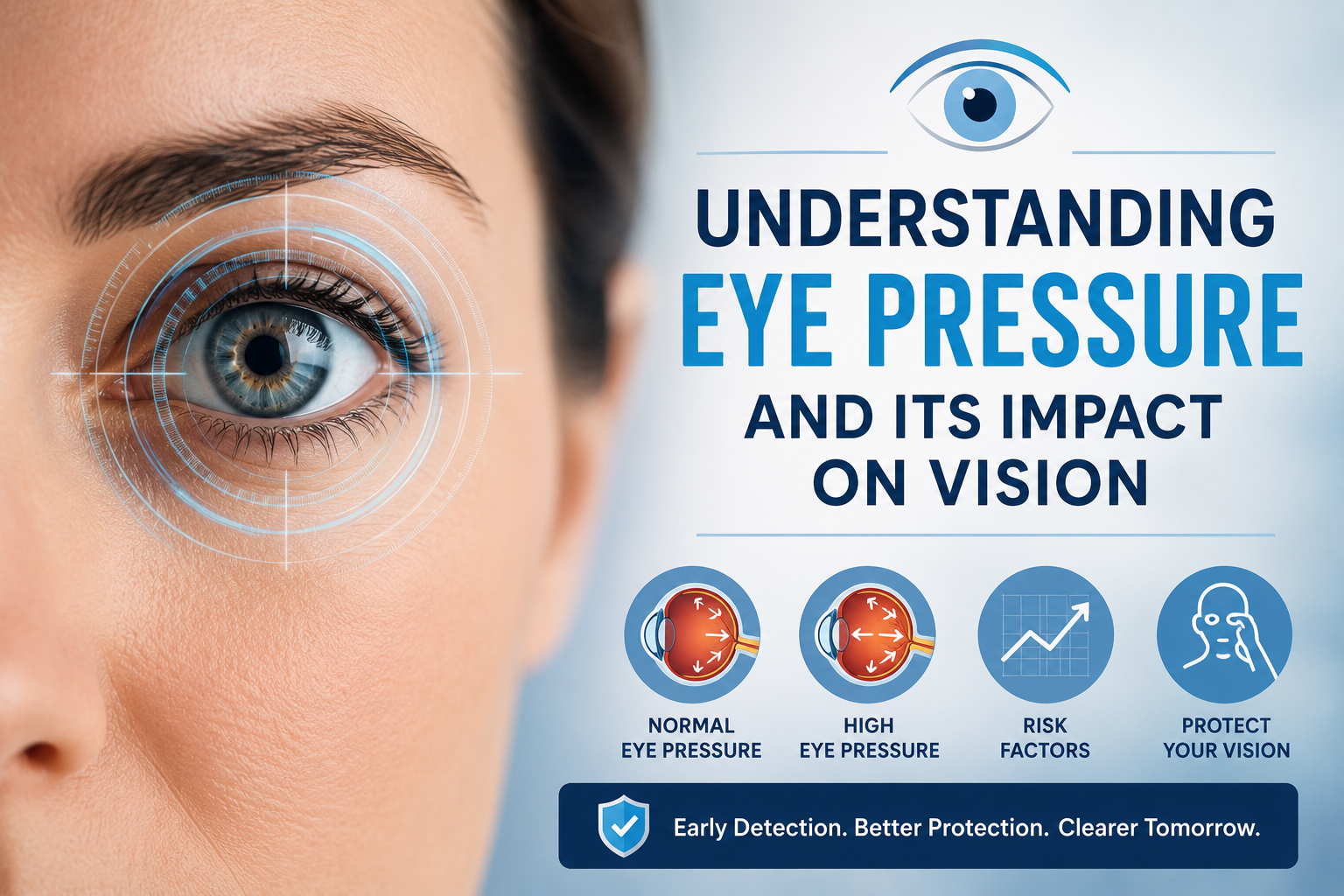
Healthy eyesight depends on several factors, and one of the most important is maintaining normal eye pressure. Many people are unaware of their eye pressure levels because changes often occur without noticeable symptoms. However, increased pressure inside the eye can affect vision over time and may lead to serious eye conditions if left untreated.
A regular vision checkup plays a key role in monitoring eye health and detecting potential issues before they become severe. Understanding how eye pressure works and its impact on sight can help individuals make informed decisions about protecting their long-term visual well-being.
What Is Eye Pressure?
Intraocular pressure (IOP), commonly called eye pressure, describes the force exerted by the fluid within the eye. The eye continuously produces a clear fluid called aqueous humour, which nourishes internal structures. This fluid flows through the eye and drains away naturally.
When the production and drainage of this fluid remain balanced, eye pressure stays within a healthy range. If the fluid does not drain properly, pressure can build up and place stress on the optic nerve, which is responsible for transmitting visual information from the eye to the brain.
Why Is Eye Pressure Important?
Maintaining normal intraocular pressure is essential for preserving healthy vision. Excessively high pressure can damage the optic nerve over time, increasing the risk of glaucoma and permanent sight loss.
Eye pressure matters because it can:
- Affect optic nerve health
- Influence overall visual function
- Increase the risk of glaucoma
- Contribute to gradual vision loss
- Impact long-term eye health
Since changes in pressure often develop silently, routine eye examinations are important for early detection and management.
Common Causes of Increased Eye Pressure
Several factors can contribute to elevated eye pressure. While some are related to age and genetics, others may result from underlying health conditions or lifestyle factors.
Ageing
As people grow older, the eye's drainage system may become less efficient, increasing the likelihood of pressure-related problems.
Family History
People with a family history of glaucoma or other ocular conditions may be more likely to experience increased eye pressure.
Medical Conditions
Certain health conditions can influence eye pressure levels, including:
- Diabetes
- High blood pressure
- Thyroid disorders
- Cardiovascular disease
Eye Injuries
Trauma to the eye can interfere with normal fluid drainage and contribute to pressure fluctuations.
Long-Term Steroid Use
Extended use of steroid medications, including some eye drops, may increase intraocular pressure in certain individuals.
Symptoms Associated with High Eye Pressure
A key concern with raised intraocular pressure is that it typically develops quietly, without noticeable warning signs in its initial stages. This tendency is especially observed in open-angle glaucoma, which is the most frequently diagnosed type of this condition.
In some cases, individuals may experience:
- Blurred vision
- Eye discomfort
- Headaches
- Eye redness
- Halos around lights
- Reduced peripheral vision
Because symptoms may not appear until significant damage has occurred, regular sight assessments remain essential for early diagnosis.
The Link Between Eye Pressure and Glaucoma
Glaucoma is among the major conditions responsible for avoidable sight impairment across the world. This condition develops when the optic nerve becomes impaired, disrupting the pathway that carries visual information from the eyes to the brain.
Although high eye pressure is not the sole cause of glaucoma, it is one of the most significant risk factors. Some individuals develop glaucoma despite having normal pressure levels, while others may have elevated pressure without optic nerve damage.
This highlights the importance of comprehensive eye health assessments rather than relying on pressure measurements alone.
How Eye Pressure Is Measured
During a vision checkup, eye care professionals may perform a test called tonometry to measure intraocular pressure.
Common methods include:
Non-Contact Tonometry
Often referred to as the "air puff" test, this method uses a small burst of air to estimate eye pressure.
Applanation Tonometry
Considered one of the most accurate techniques, this method gently measures the force required to flatten a small area of the cornea.
Additional Eye Health Tests
Pressure measurements may be combined with:
- Optic nerve examination
- Visual field testing
- Retinal imaging
- Corneal thickness assessment
These tests provide a complete picture of eye health and help identify early signs of disease.
Can Eye Pressure Be Managed?
Yes, when identified at an early stage, increased eye pressure can usually be controlled with appropriate care, and the management approach may differ based on the person’s condition and specific risk factors.
Management options may include:
- Prescription eye drops
- Laser procedures
- Surgical treatment
- Ongoing monitoring
- Lifestyle modifications
Early intervention can significantly reduce the risk of optic nerve damage and preserve vision.
Tips for Supporting Healthy Eye Pressure
While not all cases can be prevented, certain habits may contribute to overall eye health.
Maintain Regular Eye Examinations
Routine screenings can identify changes before symptoms appear.
Stay Physically Active
Moderate exercise may support healthy circulation and overall wellbeing.
Follow a Balanced Diet
A well-balanced diet that includes essential nutrients and healthy fats may contribute to maintaining good visual health and overall eye performance.
Manage Health Conditions
Keeping diabetes, blood pressure, and other chronic conditions under control may reduce eye health risks.
Protect Your Eyes
Wear protective eyewear during activities that could lead to eye injury.
When Should You Have an Eye Examination?
How often a person should have their eyes checked depends on factors such as their age, overall health, family history, and specific eye-related concerns. People with a family history of glaucoma, diabetes, or previous eye problems may require more frequent assessments.
Many eye conditions develop gradually without noticeable symptoms. A routine vision checkup provides an opportunity to monitor eye pressure, assess visual performance, and detect early signs of disease before permanent damage occurs.
Conclusion
Eye pressure is an important aspect of overall eye health and can have a significant impact on vision if left unchecked. Because elevated pressure often develops without warning signs, regular eye examinations remain one of the most effective ways to protect eyesight.
Understanding the causes, risks, and management options associated with eye pressure can help individuals take proactive steps towards maintaining healthy vision. Through ongoing monitoring and timely intervention, many pressure-related eye conditions can be identified early and managed successfully, helping to preserve sight for years to come.

 English
 French
 Spanish
 Portuguese
 Deutsch
 Turkish
 Dutch
Dutch
 Italiano
 Russian
 Romaian
 Portuguese (Brazil)
 Greek
Greek