


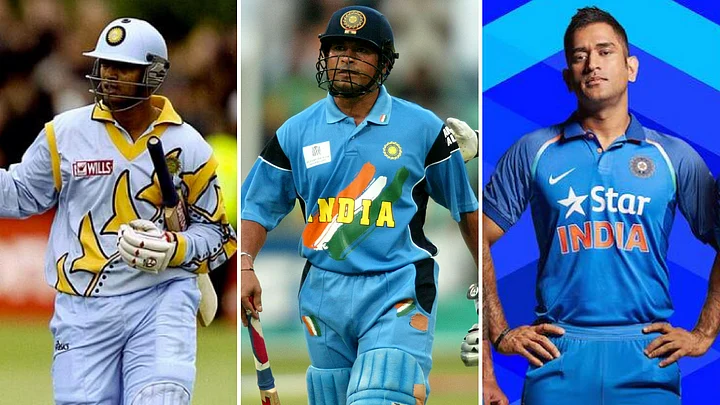
Cricket jerseys have undergone a remarkable transformation over the decades. What began as simple white uniforms designed primarily for comfort has evolved into a blend of performance technology, team branding, cultural identity, and fan fashion. Today, cricket jerseys are an essential part of the sport's global appeal, with fans eagerly awaiting new kit launches before every major tournament.
In this article, we'll explore how cricket jersey designs have evolved over the years and the factors that have shaped their journey from traditional attire to modern sportswear.
The Early Days: The Era of White Cricket Clothing
For much of cricket's history, players wore plain white clothing. This tradition originated in the 19th century when Test cricket was the dominant format.
Why White Was Preferred
-
Reduced heat absorption under the sun
-
Maintained a formal appearance
-
Reflected cricket's traditional values
-
Offered a uniform look for all teams
During this period, team identity was represented mainly through caps, blazers, and badges rather than colorful jerseys.
Check Out: most fours in ipl history in one season
The Introduction of Colored Clothing
A major turning point came in the late 1970s and early 1980s with the rise of limited-overs cricket.
The Impact of One-Day Cricket
As One Day Internationals (ODIs) gained popularity, cricket administrators sought ways to make the sport more attractive for television audiences. Colored jerseys, white balls, and day-night matches were introduced to create a more entertaining viewing experience.
This innovation completely changed cricket's visual identity.
The 1990s: The Rise of Iconic Designs
The 1990s are often considered the golden era of cricket jersey design.
Memorable Features
-
Bold colors
-
Large geometric patterns
-
Eye-catching graphics
-
Distinctive national identities
Teams such as India, Pakistan, Australia, South Africa, and Sri Lanka introduced jerseys that are still remembered fondly by fans today.
Many of the sport's most iconic World Cup kits emerged during this decade.
The 2000s: Branding and Professionalization
As cricket became increasingly commercialized, jersey designs evolved beyond aesthetics.
Key Changes
-
More sponsor logos
-
Improved manufacturing techniques
-
Enhanced fabric quality
-
Greater emphasis on team branding
Cricket boards and franchises began viewing jerseys as valuable marketing assets, helping to strengthen their brand presence globally.
The Influence of T20 Cricket
The arrival of Twenty20 cricket accelerated innovation in jersey design.
How T20 Changed Jerseys
-
Brighter color schemes
-
Aggressive visual styles
-
Unique franchise identities
-
Increased focus on merchandise sales
Leagues such as the IPL inspired teams to create highly recognizable jerseys that appealed to younger audiences and global fans.
Modern Cricket Jerseys: Performance Meets Style
Today's cricket jerseys are designed with both athletes and fans in mind.
Advanced Fabric Technology
Modern kits often include:
-
Moisture-wicking materials
-
Lightweight fabrics
-
Improved ventilation
-
Stretchable performance panels
These innovations help players remain comfortable during long matches and intense playing conditions.
Also Read:- total drs in ipl
Enhanced Visual Appeal
Designers now use:
-
Gradient effects
-
Textured patterns
-
Minimalist graphics
-
Premium finishes
The result is a more polished and professional appearance.
Cultural and Regional Influences
Modern cricket teams increasingly use jerseys to celebrate their heritage and identity.
Examples of Cultural Integration
-
Indigenous artwork
-
National symbols
-
Regional landmarks
-
Historical references
These design elements help teams connect more deeply with their supporters and showcase cultural pride on the global stage.
Sustainability: The Future of Cricket Jerseys
One of the newest trends in cricket apparel is sustainability.
Emerging Eco-Friendly Practices
-
Recycled polyester fabrics
-
Environmentally conscious manufacturing
-
Sustainable packaging
-
Reduced production waste
As environmental awareness grows, many teams are expected to adopt greener jersey production methods in the coming years.
The Role of Fans in Jersey Evolution
Fans now play a major role in shaping jersey trends.
Through social media and online communities, supporters actively share opinions on:
-
New designs
-
Retro re-releases
-
Alternate kits
-
Limited-edition collections
This interaction encourages teams to create jerseys that balance innovation with fan expectations.
Conclusion
The evolution of cricket jersey designs reflects the broader transformation of the sport itself. From traditional white uniforms to technologically advanced, culturally inspired, and commercially significant apparel, cricket jerseys have become much more than playing kits.
Today, they represent team identity, national pride, and fan passion while incorporating cutting-edge performance features. As technology, sustainability, and fashion continue to influence sportswear, cricket jerseys will undoubtedly keep evolving, creating new iconic designs for future generations of fans to celebrate.

 English
 French
 Spanish
 Portuguese
 Deutsch
 Turkish
 Dutch
Dutch
 Italiano
 Russian
 Romaian
 Portuguese (Brazil)
 Greek
Greek