


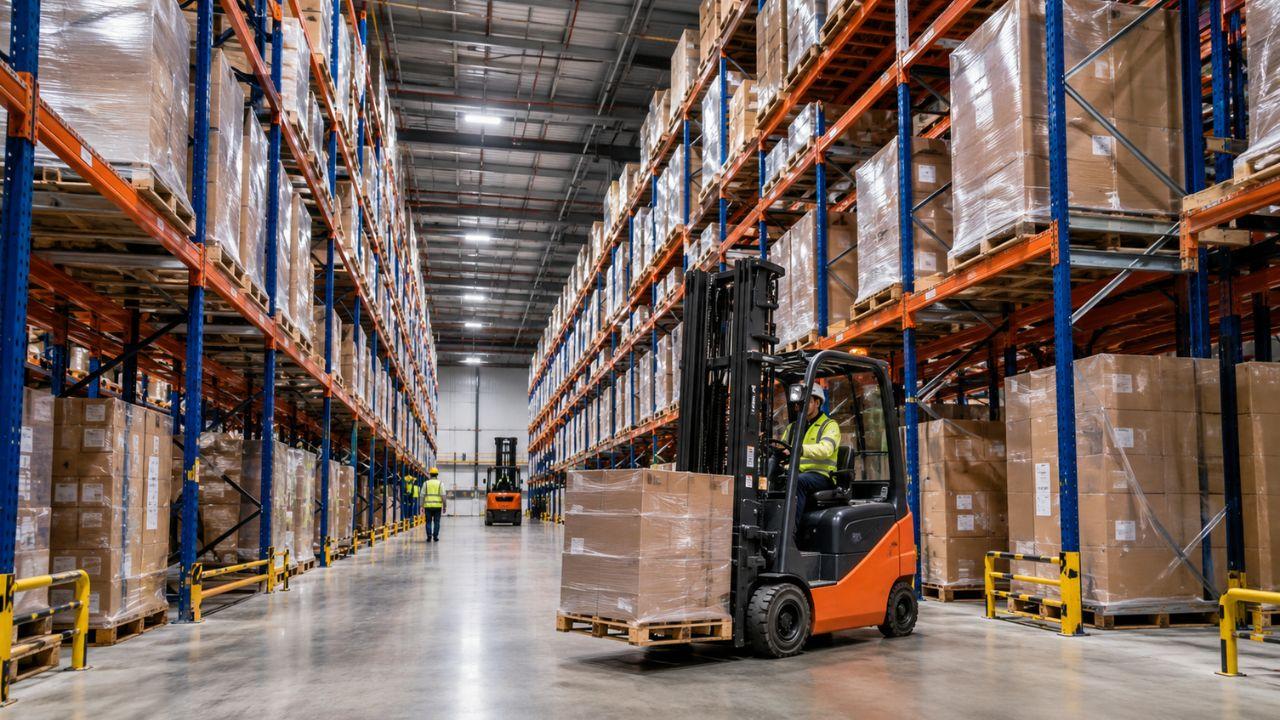
Industrial racking is a vital component of efficient warehouse operations, but common mistakes in planning, installation, and maintenance can lead to safety risks and reduced productivity. Master Racks Limited helps businesses implement reliable storage solutions that maximize efficiency while avoiding costly operational errors.
Understanding the Importance of Proper Industrial Racking
Warehouse storage systems play a critical role in inventory management, workflow efficiency, and workplace safety. A well-designed racking system can increase storage capacity, improve product accessibility, and support long-term business growth.
However, many businesses make avoidable mistakes when selecting or managing their storage infrastructure. These errors can impact daily operations and create unnecessary challenges.
By understanding the most common mistakes associated with industrial racking, businesses can make informed decisions and maintain a safer, more productive warehouse environment.
Mistake #1: Choosing the Wrong Racking System
Failing to Assess Storage Requirements
One of the most common mistakes is selecting a racking system without fully understanding operational needs.
Businesses should evaluate:
-
Product dimensions
-
Inventory volume
-
Load weights
-
Inventory turnover rates
-
Storage objectives
A system that works well for one warehouse may not be suitable for another.
How to Avoid This Mistake
Conduct a detailed assessment of your inventory and warehouse operations before selecting a storage solution.
Working with experienced providers like Master Racks Limited can help ensure the chosen system aligns with your business requirements.
Mistake #2: Ignoring Load Capacity Limits
Overloading Storage Structures
Every racking system has a maximum load capacity. Exceeding these limits can compromise structural integrity and increase the risk of accidents.
Overloaded racks may result in:
-
Product damage
-
Structural failure
-
Workplace injuries
-
Operational disruptions
How to Avoid This Mistake
Always follow manufacturer guidelines and load specifications.
Clearly label load capacities and train warehouse staff to understand safe loading practices.
Regular inspections should also be conducted to identify signs of stress or damage.
Mistake #3: Poor Warehouse Layout Planning
Inefficient Space Utilization
Many businesses install storage systems without considering overall warehouse flow.
Poor layout planning can lead to:
-
Congested aisles
-
Limited accessibility
-
Reduced productivity
-
Increased handling times
Even a high-quality industrial racking system may perform poorly if the warehouse layout is not optimized.
How to Avoid This Mistake
Develop a comprehensive warehouse design that considers:
-
Product movement
-
Equipment access
-
Employee workflow
-
Future expansion plans
Proper planning ensures maximum efficiency and better use of available space.
Mistake #4: Neglecting Regular Inspections
Assuming Racks Remain Safe Forever
Storage systems experience daily wear and tear. Forklift impacts, heavy loads, and continuous use can gradually affect structural stability.
Ignoring inspections may allow minor issues to develop into serious safety hazards.
How to Avoid This Mistake
Implement a routine inspection schedule.
Check for:
-
Bent beams
-
Loose connections
-
Corrosion
-
Damaged uprights
-
Missing safety components
Regular maintenance helps extend system lifespan and maintain workplace safety.
Mistake #5: Inadequate Employee Training
Lack of Operational Knowledge
Even the most advanced storage systems require proper handling.
Employees who lack training may:
-
Overload racks
-
Store products incorrectly
-
Operate equipment unsafely
-
Damage storage structures
How to Avoid This Mistake
Provide comprehensive training programs covering:
-
Safe loading procedures
-
Equipment operation
-
Inventory placement
-
Emergency protocols
Well-trained employees contribute to safer and more efficient warehouse operations.
Mistake #6: Failing to Plan for Future Growth
Short-Term Thinking
Some businesses select storage systems based solely on current inventory levels.
As operations expand, these systems may become inadequate.
This can lead to:
-
Costly modifications
-
Space shortages
-
Operational inefficiencies
How to Avoid This Mistake
Choose scalable solutions that can accommodate future growth.
Many organizations rely on Master Racks Limited because their storage systems can be customized and expanded as business requirements evolve.
Mistake #7: Ignoring Safety Regulations
Non-Compliance Risks
Warehouse safety regulations exist to protect employees and inventory.
Ignoring compliance requirements can increase liability and create unsafe working conditions.
Common issues include:
-
Improper installation
-
Missing safety barriers
-
Inadequate aisle spacing
-
Overloaded structures
How to Avoid This Mistake
Ensure all storage systems meet applicable industry standards and safety guidelines.
Partnering with experienced professionals can help maintain compliance and reduce operational risks.
Mistake #8: Using Damaged Racking Components
Continuing Operations with Damaged Equipment
Some warehouses continue using damaged racks to avoid operational interruptions.
This practice creates significant safety concerns.
Damaged components may weaken the entire storage structure and increase the likelihood of collapse.
How to Avoid This Mistake
Replace damaged parts immediately.
Conduct regular assessments and remove compromised components from service until repairs are completed.
Mistake #9: Poor Inventory Organization
Random Product Placement
Disorganized inventory storage makes it difficult to locate products quickly.
This often results in:
-
Delayed order fulfillment
-
Increased labor costs
-
Inventory inaccuracies
-
Reduced productivity
How to Avoid This Mistake
Develop a structured storage strategy.
Organize products based on:
-
Product categories
-
Demand frequency
-
Size and weight
-
Inventory turnover rates
A properly organized industrial racking system improves efficiency and supports accurate inventory management.
Mistake #10: Lack of Proper Safety Accessories
Overlooking Protective Equipment
Many warehouses focus solely on racks while ignoring essential safety accessories.
Examples include:
-
Rack protectors
-
Column guards
-
Safety barriers
-
Wire mesh decking
-
End-of-aisle protection
Without these safeguards, storage systems become more vulnerable to damage.
How to Avoid This Mistake
Incorporate protective accessories into your warehouse design.
These components help reduce impact damage and enhance overall workplace safety.
Mistake #11: Poor Forklift Management
Frequent Rack Collisions
Forklifts are essential warehouse tools, but improper operation can damage storage systems.
Repeated impacts may weaken rack structures over time.
How to Avoid This Mistake
Implement operator training programs and establish clear traffic routes.
Using visual guides and safety markings can also reduce collision risks.
Mistake #12: Ignoring Technological Integration
Outdated Inventory Processes
Modern warehouses increasingly rely on digital systems to improve efficiency.
Businesses that fail to integrate technology may struggle with:
-
Inventory inaccuracies
-
Slow order processing
-
Limited visibility
How to Avoid This Mistake
Select storage solutions that support:
-
Barcode scanning
-
Warehouse management systems
-
Real-time inventory tracking
-
Automation initiatives
Technology integration helps maximize the effectiveness of storage infrastructure.
Benefits of Avoiding Industrial Racking Mistakes
Preventing common storage errors delivers several important advantages.
Improved Safety
Properly maintained systems reduce workplace hazards and create a safer environment for employees.
Greater Efficiency
Optimized storage layouts improve inventory accessibility and streamline daily operations.
Better Inventory Control
Organized storage systems support accurate inventory tracking and faster order fulfillment.
Long-Term Reliability
Quality storage infrastructure delivers dependable performance and supports sustainable business growth.
Why Professional Expertise Matters
Choosing and maintaining warehouse storage systems requires specialized knowledge.
Experienced providers understand:
-
Load distribution
-
Safety compliance
-
Installation requirements
-
Future scalability
Storage planning Master Racks Limited offers professional guidance to help businesses avoid common storage mistakes while maximizing operational efficiency.
Through customized solutions and industry expertise, Master Racks Limited supports organizations in building safer, more productive warehouse environments.
Conclusion
Avoiding common industrial racking mistakes is essential for maintaining warehouse safety, efficiency, and long-term performance. With expert support from Master Racks Limited, businesses can implement reliable storage solutions that reduce risks, improve organization, and support sustainable operational growth.

 English
 Arabic
 French
 Spanish
 Portuguese
 Deutsch
 Turkish
 Dutch
Dutch
 Italiano
 Russian
 Portuguese (Brazil)
 Greek
Greek