


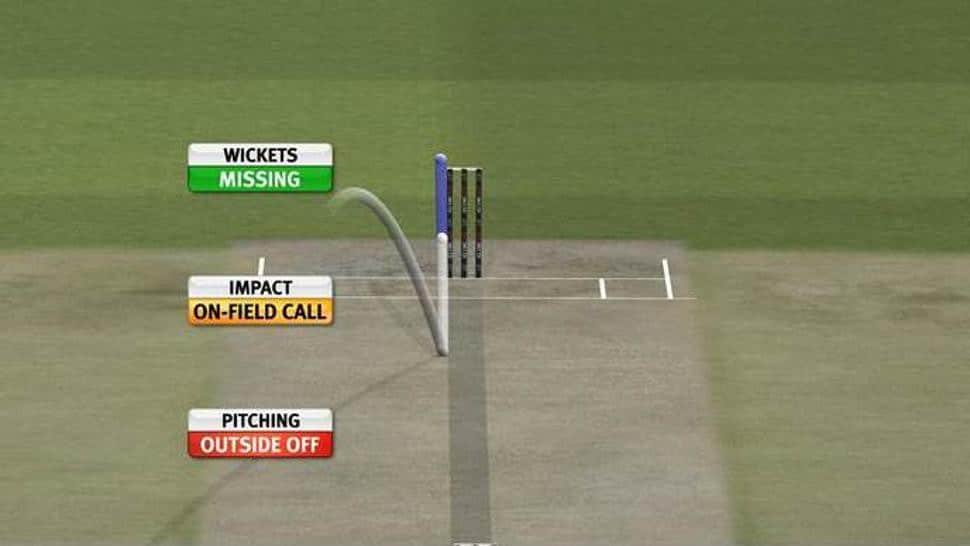
Cricket has embraced technology like never before, and one of the most significant innovations in the sport is the Decision Review System (DRS). Introduced to reduce umpiring errors and improve fairness, DRS has become an essential part of international cricket. Whether it's a close LBW appeal, a faint edge behind the wicket, or a disputed catch, DRS helps officials make more accurate decisions using advanced technology.
At the heart of DRS are three powerful tools: Hawk-Eye, UltraEdge, and Ball Tracking. These technologies work together to provide evidence-based decisions and ensure greater transparency in the game. Understanding how they function can help fans appreciate the science and precision behind modern cricket officiating.
What Is DRS in Cricket?
The Decision Review System allows players to challenge certain on-field umpiring decisions. When a review is requested, the third umpire examines footage and data generated by multiple technologies to determine whether the original decision should stand or be overturned.
DRS is primarily used for:
-
Leg Before Wicket (LBW) appeals
-
Caught-behind decisions
-
Bat-pad contacts
-
Edge detection
-
Close dismissal reviews
The goal is to make cricket more accurate, fair, and consistent for players and teams.
Hawk-Eye: The Foundation of Ball Tracking
Hawk-Eye is one of the most recognized technologies in sports and plays a crucial role in cricket's DRS system.
How Hawk-Eye Works
Hawk-Eye uses several high-speed cameras placed around the stadium to track the cricket ball from the moment it leaves the bowler's hand until it reaches the batter. The cameras capture multiple data points that are processed by a computer system to create a three-dimensional representation of the ball's path.
This allows officials to analyze:
-
The line of the delivery
-
The point where the ball pitched
-
The point of impact on the batter
-
The projected path toward the stumps
Check Out: total drs in ipl
Why Hawk-Eye Is Important
LBW decisions are often difficult to judge accurately. Hawk-Eye provides a visual prediction of where the ball would have traveled after striking the batter's pads, helping umpires make more informed decisions.
It has become one of the most trusted technologies in modern cricket.
UltraEdge: Detecting the Faintest Contact
UltraEdge is specifically designed to determine whether the ball has touched the bat, gloves, or another object before reaching the wicketkeeper or fielders.
How UltraEdge Works
UltraEdge combines synchronized video footage with highly sensitive audio sensors. As the ball passes the bat, microphones capture sound while cameras record the action in slow motion.
The system generates a waveform graph that displays sound activity. If a spike appears at the exact moment the ball passes the bat, it may indicate contact.
Benefits of UltraEdge
UltraEdge helps officials resolve difficult caught-behind decisions, especially when the edge is too faint for the naked eye to detect. It has significantly improved the accuracy of edge-related reviews and reduced controversial dismissals.
Ball Tracking: A Critical Part of LBW Reviews
Ball Tracking is a specialized feature within Hawk-Eye technology that focuses on LBW decisions.
How Ball Tracking Works
Using data collected from multiple cameras, Ball Tracking predicts the future path of the ball after impact with the batter.
During an LBW review, officials evaluate three key factors:
-
Did the ball pitch in line with the stumps?
-
Did it hit the batter in line with the wickets?
-
Would it have gone on to hit the stumps?
The technology visually displays this trajectory, helping the third umpire reach a decision.
Also Read: drs in cricket
The Role of Umpire's Call
When the projected path shows only a marginal impact on the stumps, the original on-field decision may remain unchanged under the "Umpire's Call" rule. This ensures that technology supports rather than completely replaces the umpire's judgment.
Advantages of DRS Technology
The integration of Hawk-Eye, UltraEdge, and Ball Tracking has brought numerous benefits to cricket:
-
Improved decision accuracy
-
Reduced human error
-
Increased fairness
-
Greater transparency for fans and players
-
Enhanced confidence in umpiring decisions
These advantages have made DRS a crucial component of modern cricket.
Are There Any Limitations?
While DRS is highly reliable, it is not completely flawless. Ball Tracking relies on predictive modeling, and some decisions remain subject to interpretation. Camera angles, environmental conditions, and technological limitations can occasionally lead to debates.
However, compared to traditional umpiring without technological assistance, DRS offers a far higher level of accuracy and consistency.
The Future of Cricket Technology
As technology continues to evolve, DRS is expected to become even more precise. Advances in artificial intelligence, enhanced camera systems, and improved data processing could further improve decision-making in the years ahead.
Cricket's commitment to innovation ensures that technology will continue playing a major role in maintaining fairness and integrity within the sport.
Conclusion
The Decision Review System has revolutionized cricket by combining advanced technology with traditional officiating. Hawk-Eye, UltraEdge, and Ball Tracking work together to help umpires make more accurate decisions and reduce costly errors.
By providing reliable evidence during reviews, these technologies have improved fairness, transparency, and confidence in the game. As cricket continues to embrace innovation, DRS will remain a cornerstone of modern officiating and a key factor in ensuring that crucial decisions are made as accurately as possible.

 English
 French
 Spanish
 Portuguese
 Deutsch
 Turkish
 Dutch
Dutch
 Italiano
 Russian
 Romaian
 Portuguese (Brazil)
 Greek
Greek