


Healthcare organizations are managing more digital information than ever before. Electronic health records, cloud applications, telehealth platforms, connected medical devices, patient portals, and remote workforce technologies have transformed how healthcare services are delivered. While these innovations improve operational efficiency and patient experiences, they also create new cybersecurity challenges.
For U.S. healthcare SMEs, cyber threats have become increasingly sophisticated. Ransomware attacks, phishing campaigns, credential theft, insider threats, and unauthorized access attempts continue to target healthcare organizations because of the sensitive nature of patient information and the critical services providers deliver. Unfortunately, many small and mid-sized healthcare organizations lack the resources required to continuously monitor and respond to security threats.
This challenge has accelerated the adoption of SIEM as a service. By leveraging cloud-based security monitoring and event management capabilities, healthcare organizations can gain real-time visibility into security activities, improve threat detection, and strengthen incident response without investing in extensive internal security infrastructure.
Supported by experienced SOC service providers, healthcare businesses can access specialized cybersecurity expertise that helps protect critical systems, maintain compliance readiness, and improve operational resilience in an increasingly complex threat landscape.
Why Healthcare Cybersecurity Has Become More Complex
Healthcare organizations operate within highly connected digital environments.
Modern healthcare ecosystems often include:
- Electronic health record systems
- Cloud-based applications
- Remote workforce access
- Medical devices and connected equipment
- Third-party vendor integrations
- Patient communication platforms
- Financial and billing systems
Each technology introduces additional security monitoring requirements.
As these environments grow, security teams face several challenges:
Massive Volumes of Security Data
Organizations generate large amounts of security logs and events daily.
Increasing Threat Sophistication
Cybercriminals continually evolve tactics to bypass traditional security controls.
Limited Internal Resources
Many healthcare SMEs lack dedicated security analysts and monitoring capabilities.
Compliance Pressures
Organizations must maintain visibility into security activities and support audit requirements.
Delayed Threat Detection
Without centralized monitoring, suspicious activities may go unnoticed for extended periods.
These challenges highlight the growing importance of SIEM as a service.
6 Indicators Your Healthcare Organization May Need SIEM as a Service
Healthcare organizations often recognize cybersecurity gaps only after experiencing operational disruptions or security incidents.
Consider the following warning signs:
Security Alerts Come From Multiple Systems
Managing alerts across disconnected tools can create visibility gaps.
Security Investigations Take Too Long
Limited resources often slow incident analysis and response.
Compliance Reporting Is Difficult
Gathering security information manually can consume significant time and effort.
Leadership Lacks Cyber Risk Visibility
Decision-makers need timely information about security posture and emerging threats.
Security Monitoring Is Not Continuous
Threats can emerge at any time, requiring ongoing visibility.
Internal Teams Are Overwhelmed
Growing security demands often exceed available resources.
If several of these challenges apply, SIEM as a service may provide meaningful operational and security benefits.
How SIEM as a Service Improves Healthcare Security Operations
Centralizing Security Visibility
One of the most valuable capabilities of SIEM as a service is the ability to collect and analyze security information from multiple systems within a centralized environment.
This provides healthcare organizations with improved visibility into:
- User activity
- Authentication events
- Network behavior
- Application activity
- Security alerts
- System anomalies
Centralized monitoring supports more informed security decisions.
Accelerating Threat Detection
The speed at which threats are identified often determines the overall impact of a cybersecurity incident.
SIEM as a service helps organizations detect:
- Unauthorized access attempts
- Suspicious login behavior
- Potential malware activity
- Insider threats
- Unusual system activity
- Security policy violations
Earlier detection helps reduce operational risk.
Supporting Faster Investigations
Security teams require access to accurate data when investigating incidents.
SIEM as a service helps streamline investigations by consolidating security information and providing greater visibility into potential threats.
10 Benefits Healthcare SMEs Can Expect From SIEM as a Service
1. SIEM as a Service Improves Security Visibility
Organizations gain a centralized view of security activities across environments.
2. SIEM as a Service Accelerates Threat Detection
Continuous monitoring helps identify suspicious activities more quickly.
3. SIEM as a Service Supports Faster Incident Response
Improved visibility enables more efficient investigations and response actions.
4. SIEM as a Service Enhances Compliance Readiness
Security monitoring and reporting support regulatory and audit requirements.
5. SIEM as a Service Reduces Operational Complexity
Centralized monitoring simplifies security management activities.
6. SIEM as a Service Strengthens Risk Management
Organizations gain better insight into vulnerabilities and emerging threats.
7. SIEM as a Service Improves Security Reporting
Leadership teams receive more actionable security information.
8. SIEM as a Service Supports Resource Optimization
Healthcare SMEs can access advanced monitoring capabilities without expanding internal teams.
9. SIEM as a Service Enhances Operational Resilience
Faster detection and response reduce the potential impact of security incidents.
10. SIEM as a Service Provides Scalable Security Monitoring
Monitoring capabilities can evolve alongside organizational growth and technology expansion.
Why SOC Service Providers Play a Critical Role in SIEM Success
While technology provides visibility, effective cybersecurity also requires skilled professionals who can analyze threats and respond appropriately.
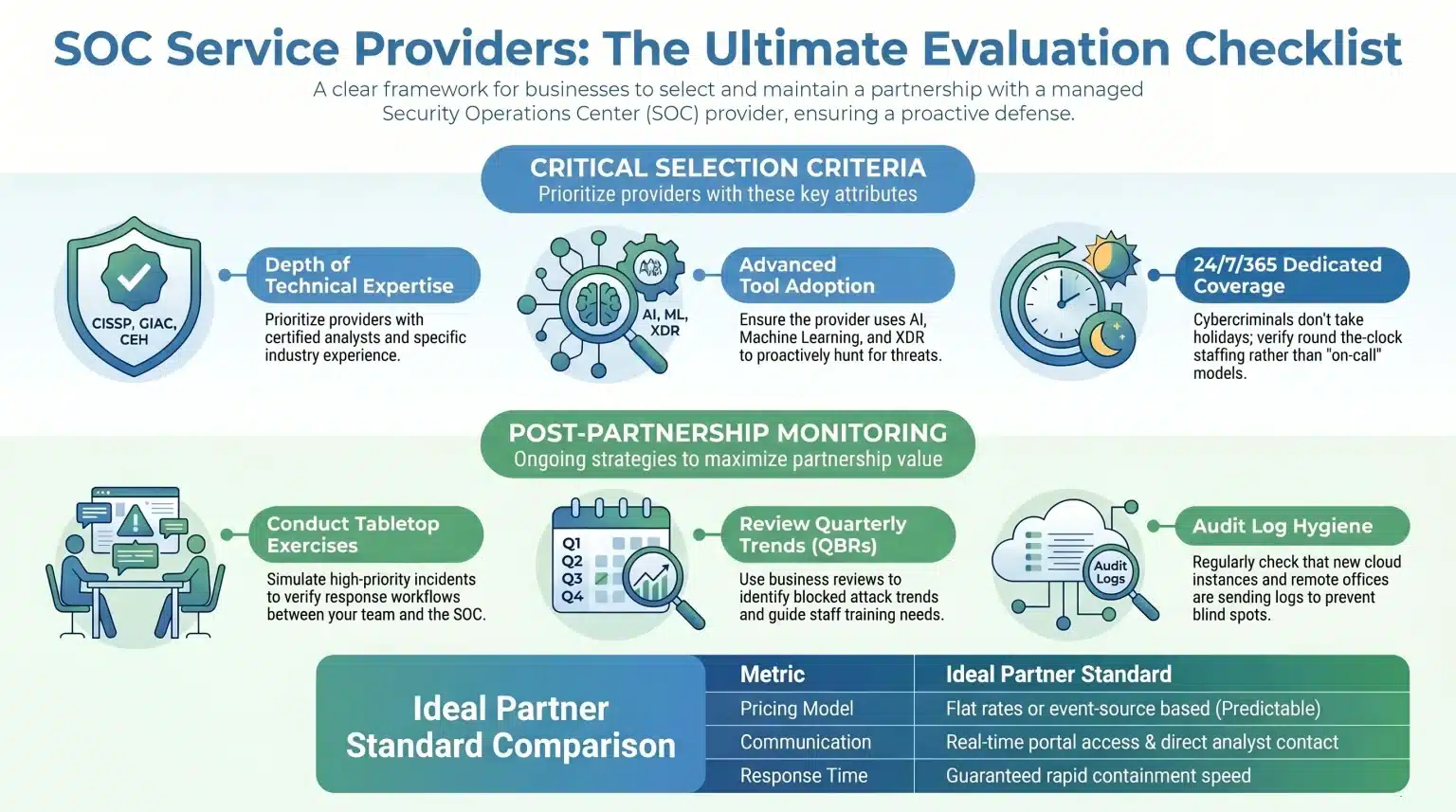
This is why many organizations partner with experienced SOC service providers.
Benefits of Working With SOC Service Providers
Continuous Security Monitoring
SOC service providers help ensure threats are monitored around the clock.
Expert Threat Analysis
Experienced analysts investigate alerts and identify meaningful risks.
Improved Incident Response
Structured processes support faster and more consistent responses.
Enhanced Security Operations
Organizations benefit from specialized expertise without building an internal security operations center.
Together, SIEM as a service and SOC service providers create a comprehensive cybersecurity monitoring framework.
How IBN Technologies Delivers SIEM as a Service for Healthcare Organizations
IBN Technologies provides cybersecurity solutions that help healthcare organizations improve security visibility, strengthen monitoring capabilities, and reduce cyber risk.
Security Assessment and Environment Review
Every engagement begins with an evaluation of security environments, monitoring requirements, and operational objectives.
This assessment helps identify monitoring gaps and opportunities for improvement.
SIEM as a Service Implementation
IBN Technologies supports:
- Security event monitoring
- Log management
- Threat detection
- Alert analysis
- Incident investigation support
- Security reporting
These services help organizations improve visibility and operational security effectiveness.
Ongoing Security Optimization
Cybersecurity environments continue to evolve as organizations adopt new technologies and face emerging threats.
IBN Technologies helps businesses continuously improve monitoring processes, strengthen visibility, and enhance security operations.
Building a Stronger Cybersecurity Strategy for the Future
Healthcare organizations should focus on several key priorities to strengthen cyber resilience:
Improve Security Visibility
Ensure critical systems and activities are continuously monitored.
Accelerate Threat Detection
Reduce the time required to identify and investigate suspicious activity.
Strengthen Incident Response Readiness
Establish structured procedures for managing security events.
Enhance Compliance Preparedness
Maintain monitoring and reporting capabilities that support audit requirements.
Leverage Specialized Expertise
Partner with SOC service providers to improve operational efficiency and security effectiveness.
Conclusion
Healthcare organizations face an increasingly complex cybersecurity landscape where visibility, detection, and response capabilities are essential. SIEM as a service helps healthcare SMEs centralize security monitoring, improve threat detection, strengthen compliance readiness, and reduce operational complexity.
When supported by experienced SOC service providers, organizations gain access to specialized expertise and continuous monitoring capabilities that improve overall cyber resilience.
IBN Technologies helps healthcare businesses strengthen security operations through SIEM as a service solutions designed to enhance visibility, accelerate threat detection, and support long-term cybersecurity objectives. By investing in proactive monitoring and expert security support, healthcare organizations can better protect sensitive information while maintaining focus on delivering quality patient care.
Ready to Strengthen Your Security Monitoring Capabilities?
Partner with IBN Technologies for SIEM as a service solutions that improve threat visibility, enhance operational resilience, and provide a scalable cybersecurity foundation for your healthcare organization.

 English
 Arabic
 French
 Spanish
 Portuguese
 Turkish
 Dutch
Dutch
 Italiano
 Russian
 Romaian
 Portuguese (Brazil)
 Greek
Greek