


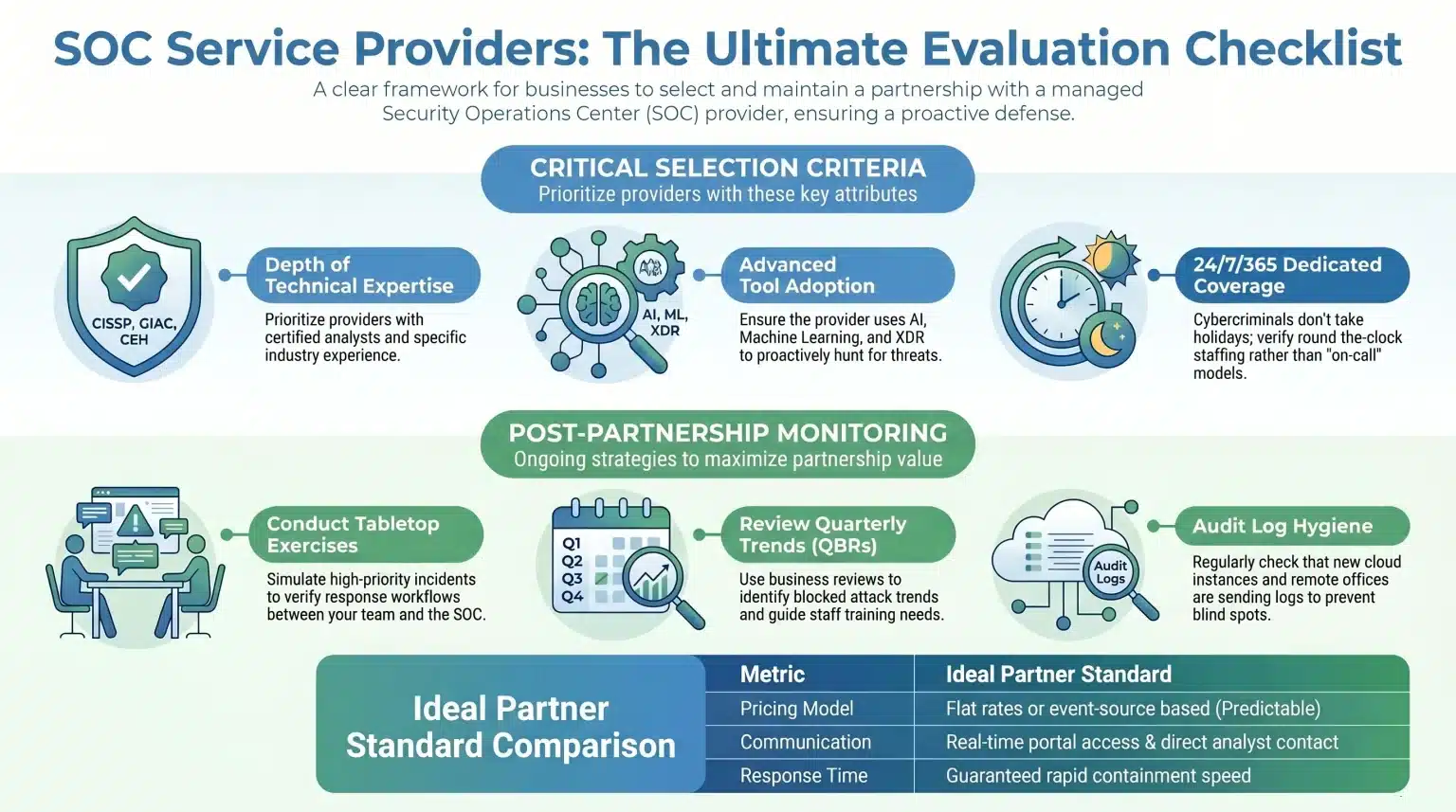
Healthcare organizations have become prime targets for cybercriminals. From ransomware attacks and phishing campaigns to insider threats and unauthorized access attempts, healthcare providers face an increasingly complex threat landscape. For small and medium-sized healthcare organizations, protecting sensitive patient information while maintaining uninterrupted operations has become one of the most important business priorities.
The challenge is particularly difficult because healthcare SMEs often lack the internal resources needed to maintain round-the-clock cybersecurity monitoring. At the same time, healthcare environments continue to expand through cloud adoption, remote work, telehealth platforms, connected medical devices, and digital patient engagement systems. Every new technology introduces additional security risks that must be monitored and managed.
This growing cybersecurity burden has accelerated demand for managed SOC providers. By delivering continuous threat monitoring, incident detection, and security operations expertise, managed SOC providers help healthcare organizations improve cyber resilience without building expensive in-house security teams.
Working alongside experienced SOC service providers, healthcare businesses can strengthen their security posture, improve compliance readiness, and gain the visibility necessary to respond effectively to modern cyber threats.
Why Healthcare Organizations Are Under Increasing Cybersecurity Pressure
The healthcare sector generates and stores some of the most sensitive information in any industry.
Modern healthcare environments typically include:
- Electronic health record systems
- Telehealth platforms
- Cloud-based applications
- Medical devices and connected equipment
- Third-party healthcare vendors
- Patient communication portals
- Financial and billing systems
As these systems become more interconnected, cybercriminals gain additional opportunities to exploit vulnerabilities.
Healthcare organizations commonly face challenges such as:
Limited Security Monitoring Resources
Many SMEs do not have dedicated security analysts available around the clock.
Growing Attack Sophistication
Cyber threats continue to evolve in complexity and frequency.
Compliance Requirements
Healthcare providers must maintain security controls that support regulatory obligations and data protection initiatives.
Alert Overload
Security tools often generate large volumes of alerts that internal teams struggle to investigate.
Increased Operational Risks
Cybersecurity incidents can affect patient services, financial operations, and organizational reputation.
These realities have made managed SOC providers an increasingly strategic investment.
7 Signs Your Healthcare Organization May Need Managed SOC Providers
Many healthcare businesses recognize cybersecurity gaps only after a security incident has occurred.
Consider these warning signs:
Security Monitoring Is Limited to Business Hours
Cybercriminals operate continuously, making 24/7 monitoring increasingly important.
Internal Teams Struggle to Investigate Alerts
Large volumes of alerts can overwhelm existing resources.
Incident Response Procedures Are Inconsistent
Organizations without structured response capabilities may face prolonged recovery times.
Security Visibility Is Fragmented
Monitoring multiple systems separately can create dangerous blind spots.
Compliance Audits Are Difficult to Manage
Incomplete monitoring and reporting often create audit challenges.
Remote Work Expands Security Risks
Distributed workforces increase the complexity of monitoring user activity and access controls.
Leadership Lacks Actionable Cybersecurity Insights
Decision-makers need visibility into threats, vulnerabilities, and overall security posture.
If these challenges sound familiar, managed SOC providers may help address critical security gaps.
How Managed SOC Providers Improve Healthcare Security Operations
Delivering Continuous Threat Monitoring
One of the most significant advantages of managed SOC providers is continuous monitoring of security events across organizational environments.
This enables healthcare businesses to identify suspicious activity before it escalates into a major incident.
Accelerating Threat Detection
Speed is critical when responding to cybersecurity threats.
Managed SOC providers help identify:
- Unauthorized access attempts
- Suspicious user behavior
- Potential ransomware activity
- Malware indicators
- Network anomalies
- Insider threats
Early detection helps reduce the potential impact of security incidents.
Strengthening Incident Response
Rapid response is essential when threats are discovered.
Managed SOC providers support structured incident investigation and response processes that improve operational resilience.
10 Benefits Healthcare SMEs Gain From Managed SOC Providers
1. Managed SOC Providers Deliver 24/7 Monitoring
Organizations gain continuous visibility into security activities and threats.
2. Managed SOC Providers Improve Threat Detection
Advanced monitoring capabilities help identify suspicious behavior faster.
3. Managed SOC Providers Strengthen Incident Response
Healthcare businesses can react more effectively to security events.
4. Managed SOC Providers Reduce Cybersecurity Risk
Proactive monitoring helps minimize exposure to emerging threats.
5. Managed SOC Providers Support Compliance Efforts
Continuous monitoring helps strengthen audit preparedness and reporting capabilities.
6. Managed SOC Providers Improve Security Visibility
Leadership teams gain clearer insights into organizational security posture.
7. Managed SOC Providers Enhance Operational Resilience
Faster detection and response help reduce service disruptions.
8. Managed SOC Providers Optimize Internal Resources
Organizations gain access to specialized expertise without significantly expanding internal teams.
9. Managed SOC Providers Protect Sensitive Healthcare Data
Enhanced monitoring helps safeguard patient information and critical systems.
10. Managed SOC Providers Support Long-Term Security Maturity
Organizations can continuously improve cybersecurity operations and risk management practices.
Why SOC Service Providers Complement Managed SOC Providers
Many healthcare organizations benefit from broader cybersecurity support delivered by experienced SOC service providers.
While managed SOC providers focus on monitoring and operational security activities, SOC service providers contribute additional expertise that strengthens overall cybersecurity effectiveness.
Benefits of Working With SOC Service Providers
Expert Threat Investigation
Security specialists help analyze and prioritize potential threats.
Improved Security Operations
Organizations benefit from mature processes and established response workflows.
Enhanced Incident Management
Structured procedures improve response consistency and effectiveness.
Better Security Reporting
Leadership teams gain access to actionable insights and operational visibility.
Together, managed SOC providers and SOC service providers create a comprehensive framework for managing modern healthcare cybersecurity challenges.
How IBN Technologies Helps Healthcare Organizations Strengthen Security Operations
IBN Technologies provides cybersecurity solutions designed to improve threat visibility, strengthen monitoring capabilities, and enhance operational resilience.
Security Assessment and Risk Analysis
Every engagement begins with an evaluation of security environments, monitoring requirements, and organizational objectives.
This assessment helps identify risks and opportunities for improvement.
Managed SOC Services Support
IBN Technologies supports:
- Security event monitoring
- Threat detection
- Incident investigation
- Alert management
- Risk monitoring
- Security reporting
These services help organizations strengthen cybersecurity operations and improve threat visibility.
Continuous Security Optimization
Cybersecurity requirements evolve alongside business operations and technology adoption.
IBN Technologies helps healthcare organizations continuously improve monitoring processes, response capabilities, and operational security effectiveness.
Building a Cyber-Resilient Healthcare Organization
Healthcare businesses seeking stronger protection should focus on several strategic priorities:
Establish Continuous Monitoring
Maintain visibility across critical systems and user activities.
Improve Threat Detection Capabilities
Reduce the time required to identify and investigate threats.
Strengthen Incident Response Readiness
Develop structured procedures for responding to cybersecurity events.
Enhance Compliance Preparedness
Support reporting and monitoring requirements through consistent security operations.
Leverage Specialized Security Expertise
Work with managed SOC providers and SOC service providers to improve operational effectiveness.
Conclusion
Cybersecurity threats continue to grow in frequency and sophistication, making proactive security operations essential for healthcare organizations. Managed SOC providers help healthcare SMEs strengthen threat detection, improve incident response, enhance visibility, and reduce operational risk through continuous monitoring and expert security support.
When combined with experienced SOC service providers, organizations gain access to the expertise, processes, and monitoring capabilities needed to build a more resilient cybersecurity posture.
IBN Technologies helps healthcare organizations strengthen security operations through managed SOC solutions designed to improve visibility, reduce cyber risk, and support long-term resilience. By investing in proactive monitoring and expert security operations support, healthcare businesses can better protect sensitive information while maintaining focus on patient care and operational excellence.
Ready to Strengthen Your Healthcare Cybersecurity Operations?
Partner with IBN Technologies for managed SOC providers services that improve threat detection, enhance security visibility, and provide a scalable foundation for cyber resilience in the healthcare industry.

 English
 Arabic
 French
 Spanish
 Portuguese
 Deutsch
 Turkish
 Dutch
Dutch
 Russian
 Romaian
 Portuguese (Brazil)
 Greek
Greek