


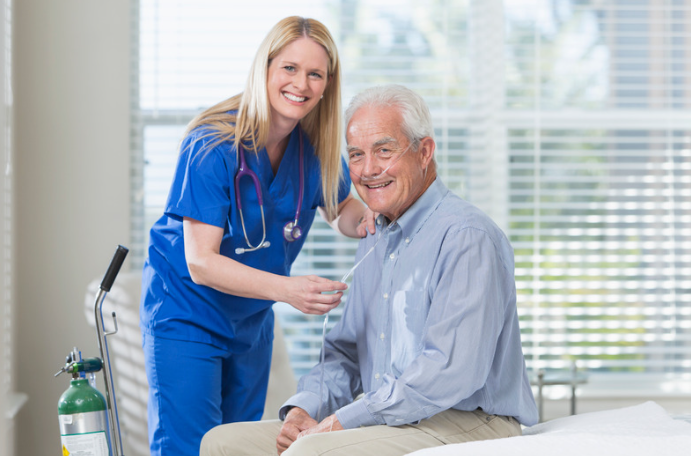
For individuals managing respiratory conditions, maintaining healthy oxygen levels is critical for overall health and daily functioning. Oxygen Therapy At Home In Dubai has become a valuable healthcare solution that enables patients to receive essential oxygen support without leaving the comfort of their homes. When paired with professional Doctor at Home services, patients can benefit from personalized medical supervision and convenient access to care. Home oxygen therapy offers numerous advantages, but understanding its benefits, potential risks, and best practices is essential for achieving safe and effective treatment outcomes.
Understanding Home Oxygen Therapy:
Home oxygen therapy is a prescribed medical treatment that provides supplemental oxygen to individuals whose blood oxygen levels are lower than normal. The therapy helps ensure that organs, tissues, and muscles receive the oxygen needed to function properly. Oxygen is delivered through specialized equipment such as oxygen concentrators, compressed oxygen cylinders, or liquid oxygen systems. Depending on the patient's condition, oxygen may be required continuously, during physical activity, or only while sleeping.
Who May Benefit from Home Oxygen Therapy:
Home oxygen therapy is commonly recommended for individuals with medical conditions that interfere with the body's ability to absorb or transport oxygen efficiently. Some of the most common conditions include:
- Chronic Obstructive Pulmonary Disease (COPD)
- Pulmonary fibrosis
- Severe asthma
- Chronic bronchitis
- Heart failure
- Pneumonia recovery
- Sleep-related breathing disorders
- Long-term respiratory complications after illness
A healthcare professional determines eligibility based on oxygen saturation levels and overall respiratory health.
Key Benefits of Home Oxygen Therapy:
One of the primary benefits of home oxygen therapy is its ability to improve oxygen delivery throughout the body. Adequate oxygen levels help reduce strain on vital organs and support better physical performance. Many patients experience improved energy levels, reduced breathlessness, better concentration, and enhanced comfort during daily activities. The ability to receive treatment at home also allows individuals to remain in a familiar environment while maintaining their independence and routine.
Improved Quality of Life:
For many patients, oxygen therapy contributes significantly to an improved quality of life. Breathing difficulties can make simple tasks feel exhausting and limit participation in social activities. By increasing oxygen availability, home oxygen therapy often enables patients to engage more comfortably in household responsibilities, exercise, family gatherings, and recreational activities. Enhanced mobility and reduced fatigue can positively impact both physical and emotional well-being.
Better Sleep and Rest:
Low oxygen levels during sleep can disrupt normal rest patterns and contribute to daytime exhaustion. Patients with respiratory conditions may experience frequent awakenings, poor sleep quality, and difficulty achieving restorative sleep. Home oxygen therapy helps maintain stable oxygen levels throughout the night, promoting deeper and more consistent rest. Improved sleep can lead to increased energy, better mood, enhanced concentration, and greater productivity during waking hours.
Increased Physical Activity and Independence:
Individuals with chronic respiratory conditions often limit their physical activity due to shortness of breath and fatigue. Home oxygen therapy helps improve exercise tolerance by supplying the body with additional oxygen during movement. Patients may find it easier to walk, perform daily tasks, and participate in light physical activities. This increased independence can contribute to greater confidence and an overall sense of well-being.
Potential Risks of Home Oxygen Therapy:
Although home oxygen therapy is generally safe when used correctly, certain risks should be considered. Excessive oxygen administration can sometimes result in oxygen toxicity or elevated carbon dioxide levels in specific patients. Skin irritation around oxygen delivery devices may occur, and dry nasal passages are a common side effect. Improper equipment handling can also create safety hazards. Following prescribed oxygen settings and maintaining regular medical supervision helps minimize these risks.
Fire Safety Considerations:
Because oxygen supports combustion, fire safety is one of the most important aspects of home oxygen therapy. Patients and caregivers should take precautions to create a safe environment for oxygen use. Essential safety measures include:
- Never smoke near oxygen equipment
- Keep oxygen devices away from open flames
- Avoid placing equipment near heat sources
- Store oxygen cylinders securely in upright positions
- Ensure adequate room ventilation
- Use oxygen equipment according to manufacturer guidelines
Following these precautions greatly reduces the risk of accidents and promotes safe treatment.
Choosing the Right Oxygen Equipment:
Several types of oxygen delivery systems are available to meet different patient needs. Oxygen concentrators are commonly used because they continuously generate oxygen from surrounding air. Portable oxygen concentrators offer mobility and convenience for active individuals. Oxygen cylinders serve as reliable backup options, while liquid oxygen systems provide larger oxygen storage capacities. Healthcare providers help determine the most suitable equipment based on the patient’s oxygen requirements and lifestyle preferences.
Best Practices for Effective Oxygen Therapy:
To maximize the benefits of home oxygen therapy, patients should follow recommended treatment guidelines consistently. Important best practices include:
- Use oxygen exactly as prescribed
- Attend regular medical evaluations
- Monitor oxygen saturation levels when advised
- Clean and maintain equipment properly
- Replace tubing and accessories as recommended
- Report new or worsening symptoms promptly
- Follow all safety instructions carefully
Adhering to these practices helps ensure treatment effectiveness and long-term respiratory health.
The Importance of Ongoing Medical Monitoring:
Regular medical supervision plays a crucial role in successful oxygen therapy management. Healthcare providers assess oxygen saturation levels, evaluate symptom improvement, and determine whether treatment adjustments are necessary. Monitoring helps identify potential complications early and ensures that patients continue receiving the appropriate oxygen flow rate. Ongoing support also provides patients and caregivers with guidance regarding equipment use, safety measures, and overall treatment management.
Supporting Emotional and Mental Well-Being:
Living with a chronic respiratory condition can be physically and emotionally challenging. Persistent breathing difficulties may contribute to stress, anxiety, and reduced social engagement. Home oxygen therapy can improve emotional well-being by helping patients feel more comfortable, active, and independent. As physical symptoms improve, many individuals experience greater confidence, improved mood, and a stronger sense of control over their daily lives.
Final Thoughts
Home oxygen therapy is an effective treatment that can significantly improve the lives of individuals experiencing oxygen deficiencies and chronic respiratory conditions. By enhancing oxygen levels, supporting better sleep, increasing physical activity, and improving overall well-being, it offers meaningful health benefits for many patients. At the same time, understanding potential risks and following proper safety practices are essential for successful treatment. For those considering Oxygen Therapy At Home In Dubai, working closely with healthcare professionals and following prescribed guidelines can help ensure a safe, comfortable, and effective path toward better respiratory health and quality of life.

 Arabic
 French
 Spanish
 Portuguese
 Deutsch
 Turkish
 Dutch
Dutch
 Italiano
 Russian
 Romaian
 Portuguese (Brazil)
 Greek
Greek