


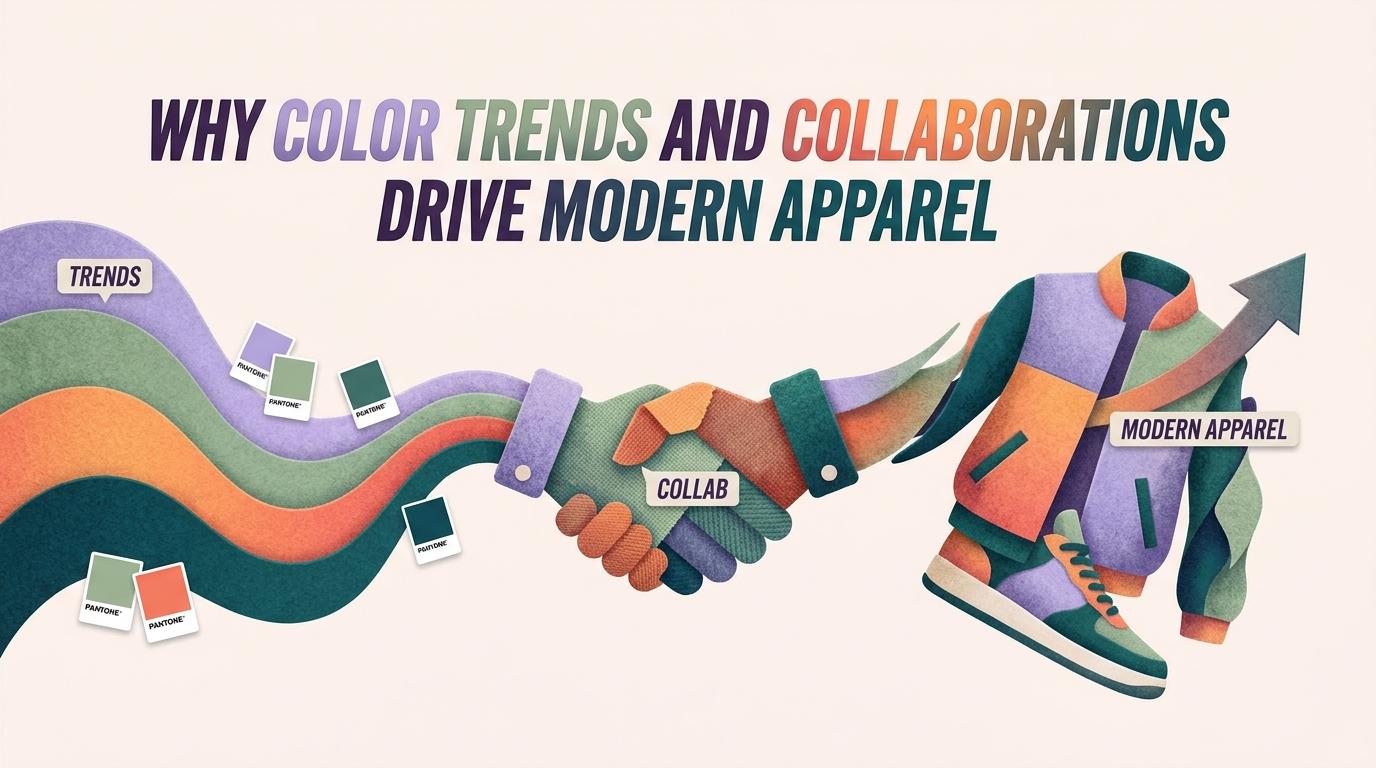
Fashion moves fast, but some forces shape the market more than others. Today, color trends and brand collaborations sit at the center of modern apparel. They influence what consumers buy, what retailers stock, and what brands create. From limited-edition collections to seasonal color launches, these factors help clothing companies stay relevant in a crowded market.
For business owners, founders, and fashion enthusiasts, understanding why color trends and collaborations drive modern apparel isn't just interesting. It's valuable. Consumer buying decisions are often tied to emotional connections, cultural moments, and visual appeal. A single color trend can spark demand across multiple product categories, while a strong collaboration can create instant attention worldwide.
As fashion continues changing, color trends and collaborations drive modern apparel by helping brands connect with consumers on a deeper level. They create excitement, build brand identity, and keep collections feeling fresh year after year.
How Color Trends Influence Consumer Buying Decisions
Color often creates the first impression. Before customers notice fabric quality or design details, they notice color.
Fashion brands carefully study seasonal palettes because colors affect emotions and purchasing behavior. Certain shades create feelings of confidence, comfort, energy, or nostalgia. That's why popular colors often dominate retail shelves during specific seasons.
Color trends and collaborations drive modern apparel because shoppers frequently associate colors with personal identity. Many consumers buy clothing that reflects their mood, lifestyle, or cultural interests.
When a color becomes popular through celebrities, athletes, social media, or entertainment, demand often grows rapidly across the fashion industry.
The Emotional Impact of Color
Colors tell stories without words.
Blue often represents trust and stability. Red creates energy and attention. Green can symbolize balance and nature. Neutral tones offer versatility and timeless appeal.
Brands understand these psychological connections. That's why successful fashion companies carefully select color palettes that align with customer expectations and current trends.
Why Collaborations Create Massive Consumer Interest
Collaborations bring two audiences together.
Instead of building attention from scratch, brands combine their strengths. One brand may bring cultural influence while another contributes design expertise or loyal customers.
Color trends and collaborations drive modern apparel because partnerships create exclusivity. Consumers often view collaborative products as unique opportunities rather than ordinary purchases.
Limited releases also create urgency. When shoppers believe a product may sell out quickly, they're more likely to make purchasing decisions faster.
The Power of Cultural Relevance
Successful collaborations usually connect to something bigger than fashion.
Sports, music, entertainment, gaming, and global events often influence partnership strategies. These cultural connections make products feel meaningful rather than purely commercial.
Brands that understand cultural relevance often generate stronger engagement and higher consumer loyalty.
How Seasonal Colors Shape Fashion Collections
Every season introduces fresh color preferences.
Spring collections often feature lighter tones, while fall collections lean toward deeper shades. These shifts help consumers refresh their wardrobes and encourage repeat purchases.
Color trends and collaborations drive modern apparel because seasonal color updates give brands new storytelling opportunities. Instead of launching entirely new product categories, companies can refresh existing designs through updated colorways.
This approach keeps collections current while maintaining familiar product styles customers already trust.
Color Trends and Brand Identity
Strong brands often become associated with specific colors.
Consumers instantly recognize certain shades because those colors appear consistently across products, campaigns, and packaging.
Maintaining color consistency helps strengthen brand recognition and improve customer recall over time.
Collaborations That Turn Apparel Into Collectibles
Some apparel launches become more than clothing. They become collectibles.
Limited collaborations frequently attract consumers who value exclusivity and cultural significance. These buyers often see products as personal statements rather than simple wardrobe additions.
Color trends and collaborations drive modern apparel by creating emotional value. Consumers feel connected to the story behind a product, making ownership feel more meaningful.
This connection helps explain why many collaboration releases generate long waiting lists and strong resale demand.
Sports and Fashion Partnerships
Sports continue playing a major role in apparel collaborations.
Fans want products that connect them to teams, athletes, and memorable moments. This demand has encouraged brands to create products that blend sports culture with everyday fashion.
A great example is the fc barcelona cactus jack jersey, which combines football culture with modern streetwear influence. Products like this show how collaborations can attract audiences from multiple communities.
The Growing Role of Limited-Edition Color Releases
Sometimes a new color alone can create significant market demand.
Fashion brands increasingly launch special-edition colors to generate attention without changing core product designs. Consumers often respond positively because the product feels fresh while remaining familiar.
Color trends and collaborations drive modern apparel through this strategy because color releases require less product development while still creating excitement.
This approach works especially well for outerwear, activewear, and lifestyle apparel.
For example, the lululemon galactic cobalt demonstrates how a distinctive color can become a major selling point on its own.
How Global Events Influence Apparel Trends
Fashion doesn't exist in isolation.
Major cultural celebrations, sporting events, and international moments often influence apparel design. Brands frequently release themed collections that connect with these occasions.
Color trends and collaborations drive modern apparel because global events create natural opportunities for storytelling and product launches.
Consumers often enjoy purchasing items that celebrate meaningful cultural experiences.
One example is the adidas jacket chinese new year, which reflects how brands use cultural themes and color symbolism to create apparel that resonates with broader audiences.
The Influence of Public Figures on Color Trends
Public figures continue shaping fashion preferences.
When celebrities, athletes, musicians, or political figures wear specific colors or styles, those choices often receive widespread attention. Social media accelerates this process by allowing trends to spread within hours.
Color trends and collaborations drive modern apparel because visibility matters. Consumers frequently take inspiration from people they admire.
As a result, brands closely monitor influential personalities when planning future collections.
The maduro blue hoodie highlights how recognizable colors connected to public figures can spark consumer curiosity and market interest.
Why Consumers Value Exclusivity More Than Ever
Modern shoppers want products that feel unique.
Mass-produced fashion still dominates the industry, but exclusive releases often generate stronger emotional engagement. Limited availability creates perceived value and encourages faster purchasing decisions.
Color trends and collaborations drive modern apparel because exclusivity transforms ordinary products into sought-after pieces.
Consumers increasingly want apparel that helps express individuality while connecting them to broader cultural conversations.
The Social Media Effect
Social media platforms have amplified the impact of both colors and collaborations.
A viral photo, influencer endorsement, or trending video can quickly turn a product into a best seller. Visual platforms naturally place strong emphasis on color, making color-focused marketing especially effective.
Brands that successfully combine compelling visuals with meaningful collaborations often gain substantial organic exposure.
What This Means for Fashion Brands
Brands that understand consumer psychology often perform better in competitive markets.
Color trends and collaborations drive modern apparel because they help brands remain culturally relevant, visually appealing, and emotionally engaging.
Successful apparel companies typically focus on:
Consistent Brand Identity
Strong color strategies help consumers instantly recognize products and marketing campaigns.
Authentic Partnerships
Collaborations work best when both partners share a natural connection.
Limited Availability
Scarcity continues influencing consumer demand across apparel categories.
Meaningful Storytelling
Products connected to real stories often outperform products with little cultural context.
The Future of Color Trends and Collaborations in Fashion
The influence of color and partnerships will likely continue growing.
Consumers increasingly seek products that feel personal, exclusive, and culturally connected. Brands that respond to these expectations will remain competitive in a fast-changing marketplace.
Color trends and collaborations drive modern apparel because they combine visual appeal with emotional engagement. Together, they help create products that consumers want to wear, share, and talk about.
As technology, social media, and global culture continue evolving, fashion brands will likely place even greater emphasis on unique color stories and strategic collaborations.
Frequently Asked Questions
Why are color trends important in fashion?
Color trends influence consumer emotions, purchasing decisions, and seasonal demand. Fashion brands use trending colors to keep collections relevant and visually appealing while strengthening customer engagement.
Popular colors often reflect cultural moods, social influences, and changing consumer preferences.
Why do apparel brands collaborate with other brands?
Brand collaborations combine audiences, increase visibility, and create exclusive products that generate excitement. They help brands expand their reach while offering consumers something unique.
Successful partnerships often create stronger emotional connections with customers.
How do limited-edition colors increase sales?
Limited-edition colors create urgency and exclusivity. Consumers often purchase quickly because they know the color may not remain available for long.
This strategy helps brands generate demand without redesigning entire product lines.
Do collaborations influence long-term brand growth?
Yes. Well-executed collaborations can increase brand awareness, attract new customers, and strengthen market positioning over time.
Many brands use partnerships as part of their long-term growth strategy.
Why Jackets Junction Follows Modern Apparel Trends
Jackets Junction understands that fashion is shaped by culture, color, and consumer behavior. By staying connected to trending apparel, exclusive collaborations, and sought-after outerwear styles, the brand continues providing customers with products that reflect what people genuinely want to wear today.

 Arabic
 French
 Spanish
 Portuguese
 Deutsch
 Turkish
 Dutch
Dutch
 Italiano
 Russian
 Romaian
 Portuguese (Brazil)
 Greek
Greek