


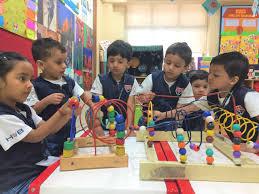
The world is changing faster than ever before. Technological innovation, globalization, and evolving workforce demands are transforming the way students learn, communicate, and prepare for their futures. In this rapidly interconnected environment, education must go beyond traditional academic instruction and equip learners with the knowledge, skills, and mindset needed to thrive on a global stage.
As a result, international education has gained significant attention among parents and educators worldwide. Families increasingly seek learning environments that encourage critical thinking, global awareness, adaptability, and lifelong learning. International curricula are designed to address these evolving needs by combining strong academic foundations with real-world skills that prepare students for higher education and future careers.
The growing popularity of international education reflects a broader understanding that success in the modern world requires much more than strong examination results alone.
Understanding International Education
International education focuses on preparing students for a globalized society. It encourages learners to develop academic excellence while also fostering cultural awareness, independent thinking, and effective communication.
Unlike traditional education models that may emphasize memorization, international programs often prioritize:
-
Conceptual understanding
-
Critical thinking
-
Problem-solving
-
Research skills
-
Collaboration
-
Creativity
-
Leadership development
These competencies are increasingly valued by universities and employers across the world.
Why Global Readiness Matters
Students entering today's workforce will likely collaborate with people from different cultures, backgrounds, and countries throughout their careers.
Global readiness helps students:
Adapt to Diverse Environments
Exposure to different perspectives prepares learners to navigate multicultural settings confidently.
Build Cross-Cultural Communication Skills
Strong communication abilities support collaboration across international teams and organizations.
Develop Open-Minded Thinking
Students learn to appreciate different viewpoints and approach challenges from multiple perspectives.
Increase Career Opportunities
Global awareness can open doors to educational and professional opportunities around the world.
Preparing students for these realities is becoming an essential goal of modern education.
The Importance of Critical Thinking
One of the defining characteristics of international curricula is the emphasis on critical thinking.
Students are encouraged to:
-
Question assumptions
-
Analyze information
-
Evaluate evidence
-
Solve complex problems
-
Form independent conclusions
Rather than simply memorizing facts, learners develop the ability to think deeply and apply knowledge in practical situations.
These skills support academic success while also preparing students for future workplace challenges.
Encouraging Independent Learning
Independent learning is a key component of long-term success.
Students who take ownership of their education are often better equipped to:
-
Manage responsibilities
-
Pursue personal interests
-
Conduct research
-
Develop self-discipline
-
Adapt to new learning environments
International programs often encourage learners to explore topics beyond classroom instruction, fostering curiosity and intellectual growth.
This approach helps students become confident, self-motivated individuals.
Building Strong Communication Skills
Communication remains one of the most valuable skills in both education and employment.
Students benefit from opportunities to:
-
Participate in discussions
-
Deliver presentations
-
Collaborate on projects
-
Express ideas clearly
-
Engage in constructive debate
Strong communication skills contribute to leadership development, academic achievement, and professional success.
International learning environments often place significant emphasis on both written and verbal communication.
The Role of Creativity and Innovation
Innovation drives progress across industries, making creativity an increasingly important skill.
Educational programs that encourage creativity help students:
-
Generate new ideas
-
Explore alternative solutions
-
Think beyond conventional approaches
-
Develop entrepreneurial mindsets
Creative thinking supports problem-solving and helps learners approach challenges with confidence and flexibility.
As industries continue to evolve, innovation will remain a critical driver of success.
Preparing Students for Higher Education
Universities today seek applicants who demonstrate more than academic achievement.
Admissions teams often value:
-
Leadership experience
-
Research skills
-
Community involvement
-
Critical thinking abilities
-
Communication proficiency
-
Independent learning habits
International curricula are often designed to support these qualities, helping students transition smoothly into higher education environments.
Strong preparation can improve both university readiness and long-term academic outcomes.
Holistic Development Beyond Academics
Academic excellence remains important, but holistic development recognizes that education should nurture the whole individual.
A comprehensive educational experience supports growth in multiple areas.
Emotional Development
Students learn resilience, self-awareness, and emotional intelligence.
Social Development
Collaborative learning encourages teamwork and relationship-building skills.
Physical Development
Sports and wellness programs contribute to healthy lifestyles and personal discipline.
Ethical Development
Students develop values such as responsibility, integrity, and respect for others.
These elements contribute to well-rounded personal growth.
The Impact of Technology on Learning
Technology has transformed education in countless ways.
Modern learning environments often utilize:
-
Digital classrooms
-
Online collaboration tools
-
Interactive learning platforms
-
Educational software
-
Research databases
Technology can enhance engagement and provide access to a broader range of learning resources.
Digital literacy has become an essential skill for both higher education and professional success.
Cultural Awareness and Global Citizenship
One of the most valuable aspects of international education is the emphasis on cultural awareness.
Students are encouraged to:
-
Understand different cultures
-
Respect diverse perspectives
-
Develop empathy
-
Engage responsibly with global issues
These experiences help learners become informed and responsible global citizens.
In an interconnected world, cultural competence is increasingly important in both personal and professional settings.
Developing Leadership Skills
Leadership development is an important objective of modern education.
Students can build leadership abilities through:
-
Group projects
-
Student councils
-
Community initiatives
-
Sports activities
-
Public speaking opportunities
Leadership experiences help students develop confidence, responsibility, and decision-making skills.
These qualities often contribute to future academic and career success.
Future Trends in Education
Education continues to evolve in response to changing societal and economic needs.
Emerging trends include:
-
Personalized learning pathways
-
Project-based education
-
Artificial intelligence integration
-
Global collaboration opportunities
-
Experiential learning
-
Mental wellness initiatives
-
Sustainability-focused education
Schools that embrace innovation are often better equipped to prepare students for future challenges.
Why Parents Value International Learning Environments
Parents increasingly recognize that future success requires a balance of academic knowledge and transferable skills.
International learning environments often appeal to families because they emphasize:
-
Global awareness
-
Critical thinking
-
Communication skills
-
Holistic development
-
University preparation
-
Lifelong learning
These qualities align closely with the demands of modern higher education and employment landscapes.
When researching educational opportunities that support global readiness and holistic development, many families explore the Top International School in Mumbai to better understand how international curricula prepare students for academic achievement and future success in an interconnected world.
Conclusion
The future belongs to individuals who can think critically, communicate effectively, adapt to change, and collaborate across cultures. International education provides students with opportunities to develop these essential skills while building strong academic foundations.
As the world becomes increasingly interconnected, the importance of global awareness, innovation, and lifelong learning will continue to grow. Educational institutions that embrace these principles play a vital role in preparing students for future challenges and opportunities.
By combining academic excellence with holistic development and global perspectives, international curricula help students become confident, capable, and future-ready individuals prepared to thrive in a rapidly changing world.

 Arabic
 French
 Spanish
 Portuguese
 Deutsch
 Turkish
 Dutch
Dutch
 Italiano
 Russian
 Romaian
 Portuguese (Brazil)
 Greek
Greek