


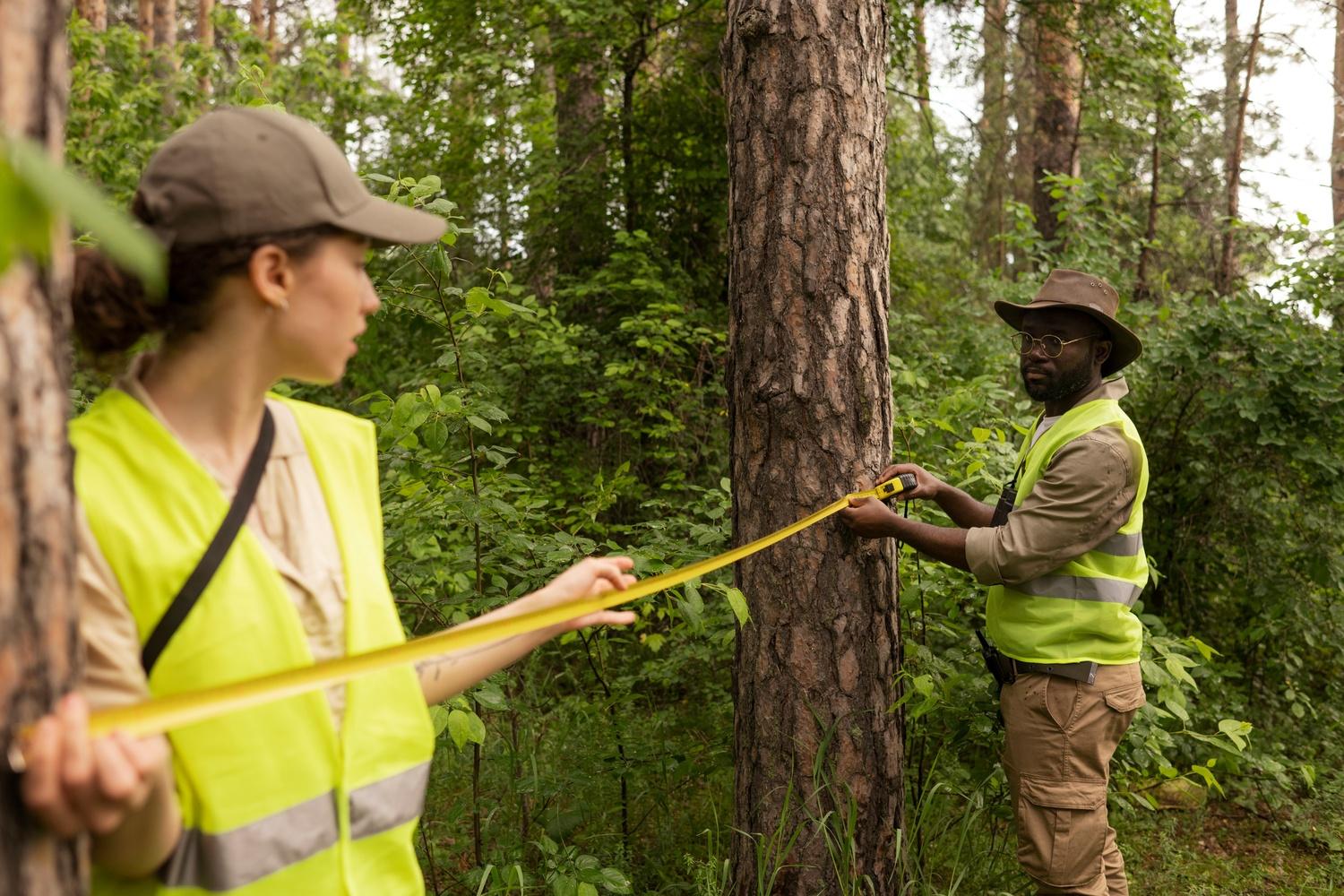
Description: Discover the essential role of Vermont county foresters in managing public and private woodlands, promoting sustainable practices, and preserving ecological health.
In the rugged landscape of the northeastern United States, the health of the environment is deeply linked to the management of its vast wooded areas. For those residing in or owning land within the Green Mountain State, the name "Vermont county foresters" represents a vital institutional resource. These professionals function as the bridge between complex forestry science and the practical, everyday needs of woodland stewardship, serving as critical guardians of the state’s natural legacy.
The Role of the County Forester
A Vermont county forester is a state-employed professional assigned to provide technical assistance to private forest landowners, municipalities, and forest industry stakeholders. Unlike commercial consultants who are hired to manage specific timber-harvesting projects for profit, these foresters operate as public servants. Their primary mission is to promote the long-term health, productivity, and sustainability of the state’s forests.
Whether you own a small woodlot or a large swathe of acreage, these foresters offer guidance on silviculture—the art and science of controlling the establishment, growth, composition, and quality of forest vegetation. Because the majority of forested land in the state is privately owned, the influence of these individuals is immense. By providing objective, science-based advice, they ensure that individual management decisions contribute positively to the broader landscape’s biodiversity and climate resilience.
Stewardship and Long-Term Vision
One of the most significant responsibilities held by Vermont county foresters concerns the oversight of the Current Use Program (formally known as the Use Value Appraisal program). This program encourages landowners to keep their land as productive forest rather than developing it into residential or commercial real estate. To qualify, landowners must adhere to a forest management plan approved by their county forester.
Through this relationship, a forester helps landowners balance diverse objectives. While some owners prioritize timber production, others focus on wildlife habitat improvement, recreational access, or watershed protection. The forester acts as an advisor, ensuring that these varied goals are pursued in a way that respects forest ecology. They assess the age and diversity of tree species, monitor for invasive pests, and help prevent the over-harvesting of timber, which could otherwise weaken the forest’s ability to survive environmental stressors.
Education and Community Outreach
Beyond their administrative duties, Vermont county foresters are educators. They regularly organize walks, workshops, and informational sessions designed to demystify forest management. For many landowners, the legalities of property taxes and the biological complexities of a changing forest can feel overwhelming. These professionals distill this information into actionable steps, empowering residents to make informed decisions about their landscapes.
Their work is also essential for landscape connectivity. By encouraging adjacent landowners to consider how their individual plots fit into the larger forest mosaic, they help protect wildlife corridors—essential paths for animals to move across the state. In an era of climate change, this regional perspective is more important than ever. Healthy, well-managed forests are natural carbon sinks, and the work facilitated by these foresters is a primary line of defense in maintaining the state’s carbon-sequestering capabilities.
Conclusion
The position of the Vermont county forester is a cornerstone of the state’s environmental infrastructure. By providing neutral, expert guidance, they foster a culture of stewardship that transcends individual property lines. They remind us that while land may be owned privately, the benefits of a healthy forest—clean water, stable soil, and preserved beauty—belong to everyone. Whether you are a long-term landowner or simply someone who appreciates the towering maples and oaks that define the region, the work of these foresters remains the silent, steady force behind the landscape’s enduring vitality.

 English
 Arabic
 French
 Spanish
 Portuguese
 Deutsch
 Turkish
 Dutch
Dutch
 Italiano
 Russian
 Romaian
 Portuguese (Brazil)