


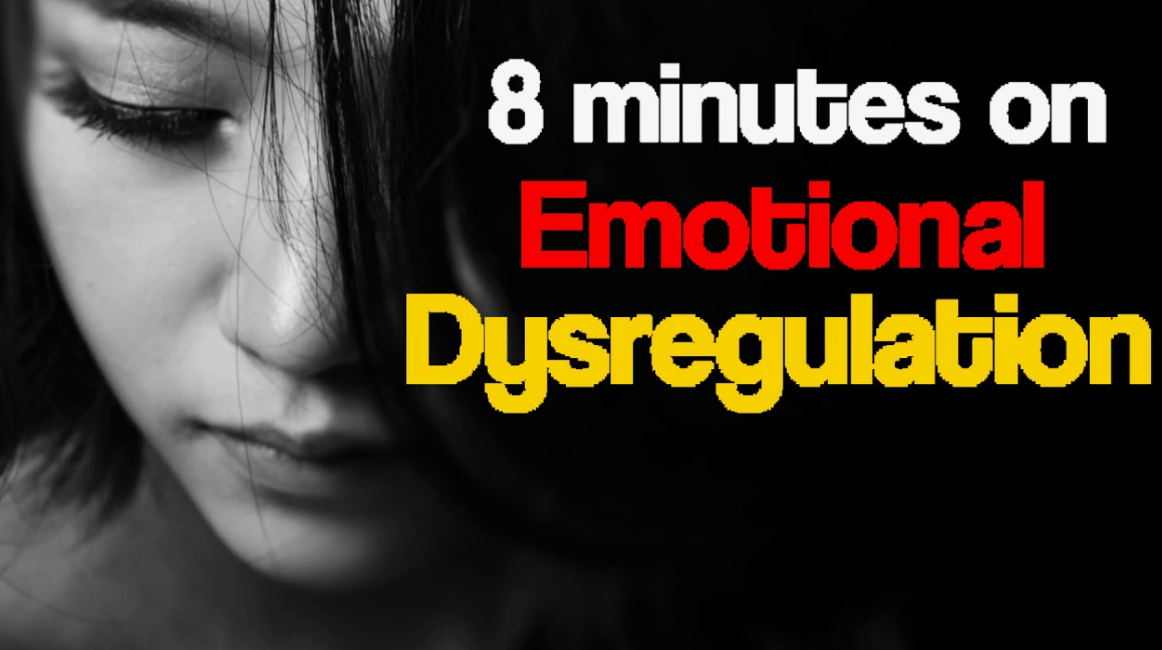
ADHD (Attention Deficit Hyperactivity Disorder) is often misunderstood as just difficulty focusing or being overly energetic. In reality, ADHD affects many areas of life, especially emotional regulation. Many individuals with ADHD struggle not only with attention and impulsivity but also with managing emotions such as frustration, anger, anxiety, and overwhelm. This emotional intensity can impact relationships, work performance, and self-esteem.
Because of this, many people search for support options like coaching and therapy. But a common question arises: what is the difference between coaching vs therapy, and which one is better for ADHD and emotional regulation? Understanding both approaches can help individuals choose the right support system for their needs.
ADHD and Emotional Regulation: What’s the Connection?
Emotional regulation refers to the ability to manage and respond to emotional experiences in a balanced way. For many people with ADHD, this skill is challenging due to differences in brain function, especially in areas related to impulse control, attention, and executive functioning.
People with ADHD may experience:
- Sudden mood swings
- Strong emotional reactions to small triggers
- Difficulty calming down after being upset
- Low frustration tolerance
- Feeling overwhelmed easily
- Trouble expressing emotions clearly
These emotional patterns are not a character flaw. They are part of how the ADHD brain processes stimulation and stress. When emotions feel “too big,” individuals may react quickly without thinking, which can later lead to regret or confusion.
This is where structured support becomes important. Both coaching and therapy can help, but they serve different purposes.
What is Therapy for ADHD and Emotional Regulation?
Therapy is a clinical and mental health treatment provided by licensed professionals such as psychologists, counselors, or therapists. It focuses on emotional healing, mental health conditions, and deeper psychological patterns.
For ADHD and emotional regulation, therapy may include:
- Cognitive Behavioral Therapy (CBT)
- Dialectical Behavior Therapy (DBT)
- Trauma-informed therapy
- Emotional processing techniques
- Medication support (with psychiatrists)
Benefits of Therapy:
- Healing emotional wounds
Therapy helps individuals understand past experiences that may contribute to emotional reactions, anxiety, or depression. - Managing co-existing conditions
Many people with ADHD also experience anxiety, depression, or trauma-related symptoms. Therapy addresses these conditions. - Developing emotional awareness
Therapists help clients recognize emotional triggers and patterns in a safe environment. - Structured clinical support
Therapy is evidence-based and regulated, making it essential for mental health diagnosis and treatment.
When Therapy is Most Helpful:
- Severe emotional dysregulation
- Trauma history or unresolved emotional pain
- Co-occurring mental health conditions
- Need for clinical diagnosis or medication support
Therapy is often the foundation of mental health care, especially when emotional struggles are deep or long-standing.
What is ADHD Coaching?
ADHD coaching is a practical, goal-oriented support system designed to help individuals manage daily life challenges. Unlike therapy, coaching does not focus on diagnosing or treating mental health conditions. Instead, it focuses on building skills, structure, and accountability.
An ADHD coach helps individuals with:
- Time management
- Organization and planning
- Goal setting
- Building routines
- Improving focus and productivity
- Emotional awareness in daily situations
Benefits of Coaching:
- Practical strategies for everyday life
Coaching focuses on real-world solutions, such as managing schedules or breaking tasks into steps. - Accountability and structure
Coaches help clients stay consistent with goals and habits. - Skill-building for emotional regulation
While not therapy, coaching can help individuals notice emotional triggers and develop coping strategies. - Future-focused approach
Coaching emphasizes what to do next rather than analyzing the past.
When Coaching is Most Helpful:
- Difficulty with organization and daily routines
- Struggles with productivity or time management
- Desire for structure and accountability
- Mild emotional regulation challenges without clinical severity
Coaching is especially effective for individuals who already understand their ADHD but need help implementing strategies in daily life.
Coaching vs Therapy: Key Differences
Although coaching and therapy can both support ADHD and emotional regulation, they are not the same. Here are the main differences:
1. Purpose
- Therapy: Focuses on healing, mental health treatment, and emotional processing
- Coaching: Focuses on performance, habits, and goal achievement
2. Qualification
- Therapy: Licensed mental health professionals
- Coaching: Certified or trained coaches (not necessarily licensed clinicians)
3. Focus Area
- Therapy: Past experiences, trauma, emotional healing
- Coaching: Present and future actions, productivity, structure
4. Emotional Depth
- Therapy: Deep emotional work and psychological healing
- Coaching: Emotional awareness and management strategies
5. Diagnosis and Treatment
- Therapy: Can diagnose and treat mental health conditions
- Coaching: Cannot diagnose or treat mental illness
Can Coaching and Therapy Work Together?
Yes, in many cases coaching and therapy work very well together. For individuals with ADHD, combining both can create a balanced support system.
For example:
- Therapy helps process emotional trauma and regulate intense feelings
- Coaching helps build daily systems, routines, and productivity habits
This combination ensures both emotional healing and practical improvement in life functioning.
Someone struggling with emotional regulation might see a therapist to understand emotional triggers while also working with a coach to learn how to respond better in real-time situations.
Choosing the Right Support for ADHD and Emotional Regulation
Choosing between coaching and therapy depends on individual needs. Here are some guiding questions:
- Am I struggling with emotional pain or past trauma? → Therapy
- Do I need help organizing my daily life? → Coaching
- Am I feeling overwhelmed emotionally and mentally? → Therapy
- Do I need accountability and structure? → Coaching
- Do I want both emotional healing and life improvement? → Both together
There is no “better” option universally. The right choice depends on where someone is in their journey.
Final Thoughts
ADHD and emotional regulation challenges can feel overwhelming, but support is available. Understanding the difference between coaching vs therapy helps individuals make informed decisions about their mental and emotional well-being.
Therapy provides healing, emotional depth, and clinical support, while coaching offers structure, accountability, and practical life strategies. Together, they can create powerful growth for individuals navigating ADHD.
The most important step is not choosing the “perfect” method, but choosing the right support system that meets your current needs. With the right guidance, emotional regulation becomes more manageable, and life becomes more structured, balanced, and fulfilling.

 English
 Arabic
 French
 Spanish
 Portuguese
 Deutsch
 Turkish
 Dutch
Dutch
 Russian
 Romaian
 Portuguese (Brazil)
 Greek
Greek