


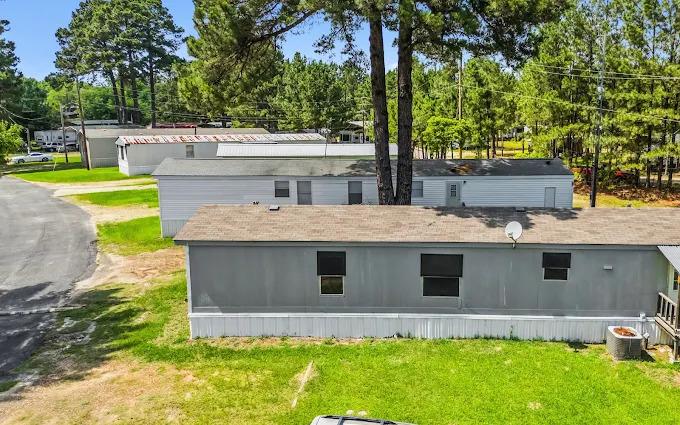
A Practical Look at Smaller Homes, Shared Infrastructure, and Lower-Impact Living
Sustainable living does not always require a custom-built eco home, solar panels, or an expensive rural homestead. For many people, reducing their environmental footprint starts with simpler choices: living in a smaller space, using fewer resources, sharing infrastructure, staying closer to daily services, and choosing a community that is maintained responsibly. In rural East Texas, mobile home and RV communities can support that kind of practical sustainability.
Mobile home park living often appeals to families, retirees, workers, and RV owners because it can be more affordable and easier to manage than traditional housing. But affordability is not the only benefit. A well-run community can also help residents use land, utilities, and energy more efficiently than many scattered single-family setups.
Smaller Homes Often Use Fewer Resources
One of the clearest sustainability advantages of mobile home living is scale. Smaller homes usually require fewer building materials, less energy for heating and cooling, and less time and money to maintain. A compact manufactured home or RV can encourage residents to own fewer items, use space more thoughtfully, and avoid the waste that often comes with oversized housing.
Smaller spaces can support lower-impact habits such as:
• Using less electricity for heating and cooling
• Buying fewer unnecessary furnishings
• Reducing cleaning products and maintenance supplies
• Limiting water use through simpler household systems
• Keeping outdoor spaces manageable and tidy
This does not mean residents give up comfort. It means they choose a home that fits daily needs without excess.
Shared Infrastructure Can Reduce Waste
A mobile home or RV community uses shared infrastructure in ways that can make daily living more efficient. Instead of every household managing separate wells, septic systems, roads, trash arrangements, and utility access, a well-organized community can centralize many of those services.
Important shared systems include:
• City water and sewer access
• Community roads and parking areas
• Central communication with management
• Coordinated maintenance and lawn care
• Shared utility planning and service access
At Evergreen Mobile Home & RV Community, residents benefit from city water and sewer, simple utility setup, well-maintained grounds, regular lawn care, parking spaces, and on-site management. These practical systems help keep the community orderly while reducing the inefficiencies that can happen when every household must solve the same problems separately.
Clear Standards Help Keep the Environment Cleaner
Sustainability is not only about energy use. It is also about keeping the immediate environment clean, safe, and livable. In mobile home and RV parks, community standards can help prevent cluttered lots, junk vehicles, debris, unsafe improvements, and poorly maintained outdoor spaces.
A clean community usually depends on rules such as:
• Keeping outdoor areas neat
• Using designated parking areas
• Observing posted speed limits
• Getting approval before site improvements
• Respecting quiet hours
• Following lease and safety rules
When these standards are applied consistently, they protect both the residents and the land. Evergreen’s guidelines emphasize clean and tidy lots, respectful conduct, written approval for changes, and quiet hours from 10:00 PM to 7:00 AM. These rules support a more peaceful and better-kept living environment.
Rural Living Can Still Be Convenient
Some people assume sustainable living means moving far away from town. In practice, long drives can work against that goal. A better approach is finding a quiet location that still keeps residents near groceries, healthcare, schools, shops, restaurants, and local services.
Evergreen is located at 588 State Hwy 155 in Gilmer, with access to Highway 155 and downtown Gilmer. That location gives residents a quieter East Texas setting while keeping everyday errands within reach. Shorter trips for groceries, school, work routes, and appointments can help reduce fuel use and make rural living more practical.
RV Living Adds Flexibility Without Excess
RV living can also support a lower-footprint lifestyle when managed well. Many RV owners already live with less storage, smaller appliances, and more careful utility habits. A community that offers full hookups, clear utility arrangements, and monthly stays can make that lifestyle easier.
Evergreen’s RV sites offer full hookups at most sites, utilities included in monthly RV rent, clean and quiet roads, pull-through and back-in configurations when available, and easy renewals for monthly stays. Some sites may also include park-owned awnings or carports, which can provide shade and storage. For RV owners, these features support comfort without unnecessary complexity.
Practical Amenities Encourage Responsible Living
Sustainable living works best when the basics are easy to manage. If residents can pay rent online, submit service requests, receive alerts, and communicate with management, problems can be handled before they become bigger issues.
Useful features include:
• Online resident portal
• Instant alerts
• Responsive maintenance
• Well-lit areas
• Reliable electrical connections
• High-speed Wi-Fi
• Clean streets and maintained grounds
At Evergreen Mobile Home & RV Community, these amenities help residents live more efficiently and stay informed. A well-managed community reduces confusion, avoids neglect, and supports long-term stability.
Key Takeaways
Mobile home parks can reduce a household’s footprint by encouraging smaller living spaces, shared infrastructure, efficient utilities, cleaner lots, and more practical use of land. The strongest communities combine affordability with responsible management, clear standards, reliable services, and convenient access to town.
For residents who want a simpler lifestyle in rural East Texas, mobile home and RV community living can be a realistic step toward lower-impact living. It may not look like a luxury eco-development, but it can support sustainability in everyday ways: less waste, less excess, fewer duplicated systems, and a more manageable home life.
Frequently Asked Questions
1. Are mobile homes more sustainable than traditional houses?
They can be, especially when they are smaller, well-maintained, and located in a community with shared infrastructure and reliable utilities.
2. How do mobile home parks reduce waste?
They can reduce waste through shared roads, utility systems, maintenance planning, trash coordination, and clear rules that keep lots clean.
3. Does RV living support a smaller footprint?
Often, yes. RV residents usually live with less space, fewer belongings, and more careful use of water and electricity.
4. What should I look for in a sustainable community?
Look for city water and sewer, clear utility billing, clean grounds, responsible management, quiet rules, parking standards, and access to town.
5. Is sustainable living only about energy savings?
No. It also includes reducing clutter, using land efficiently, limiting unnecessary driving, maintaining clean surroundings, and choosing a right-sized home.

 Arabic
 French
 Spanish
 Portuguese
 Deutsch
 Turkish
 Dutch
Dutch
 Italiano
 Russian
 Romaian
 Portuguese (Brazil)
 Greek
Greek