


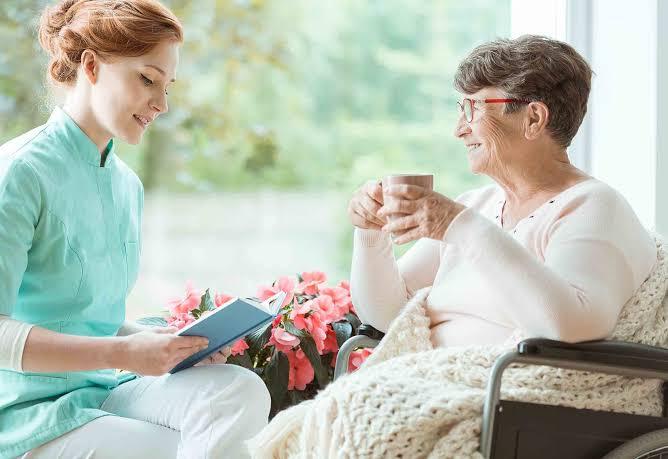
Watching a loved one grow older can be both rewarding and challenging, especially when everyday tasks become increasingly difficult. Many families choose Elderly Home Care in Dubai because it provides personalized support while allowing seniors to remain in the comfort of their own homes. Professional caregiving, combined with services such as Doctor at Home, ensures older adults receive timely medical attention and daily assistance without frequent hospital visits. Recognizing the early signs that an aging parent or relative needs extra support can improve their quality of life and help prevent avoidable health complications.
Why Recognizing the Signs Early Matters:
Many seniors prefer to maintain their independence for as long as possible, making it easy for families to overlook gradual changes in health or behavior. However, identifying warning signs early allows caregivers to arrange appropriate assistance before problems become serious. Early intervention often reduces hospitalizations, prevents injuries, supports emotional well-being, and enables seniors to continue living safely in familiar surroundings.
Difficulty Managing Daily Activities:
One of the earliest indicators that professional care may be needed is difficulty performing routine daily tasks. Seniors may begin struggling with activities they once handled independently, including:
- Bathing and personal hygiene
- Dressing without assistance
- Preparing meals
- Housekeeping
- Laundry
- Grocery shopping
- Managing finances
When these activities become overwhelming, professional caregivers can provide valuable support while preserving the individual's dignity and independence.
Frequent Falls or Mobility Problems:
Changes in balance, muscle strength, or coordination significantly increase the risk of falls among older adults. If your loved one has experienced repeated falls, difficulty walking, or fear of moving around the home, additional support may be necessary. Caregivers can assist with safe mobility, monitor physical changes, and help create a safer home environment that reduces the likelihood of accidents.
Memory Loss and Confusion:
Occasional forgetfulness is a normal part of aging, but persistent memory problems may indicate the need for professional supervision. Missing appointments, forgetting medications, becoming confused about familiar places, or repeating conversations frequently can interfere with daily life. Professional caregivers provide gentle reminders, structured routines, and ongoing observation to support seniors experiencing memory challenges.
Poor Personal Hygiene:
Changes in personal hygiene often signal declining physical or cognitive health. If an elderly family member regularly wears unclean clothing, neglects bathing, forgets oral hygiene, or appears generally unkempt, it may indicate difficulty managing self-care independently. Professional home caregivers assist with personal hygiene while ensuring seniors remain comfortable, healthy, and confident.
Unexplained Weight Loss or Poor Nutrition:
A noticeable decline in appetite or unintended weight loss should never be ignored. Seniors may skip meals because of difficulty cooking, chewing problems, medication side effects, or reduced interest in food. Warning signs include:
- Empty refrigerators
- Expired food
- Missed meals
- Weight loss
- Dehydration
- Poor energy levels
Professional caregivers help prepare nutritious meals, encourage hydration, and monitor dietary habits to support overall health.
Medication Management Challenges:
Many older adults take several medications daily, increasing the risk of missed doses or accidental overdoses. Difficulty organizing prescriptions, forgetting medication schedules, or taking incorrect doses may lead to serious health complications. Professional caregivers assist with medication reminders and monitoring, helping seniors follow treatment plans safely and consistently.
Increased Social Isolation:
Loneliness can have a significant impact on both physical and emotional health. Seniors who withdraw from family gatherings, avoid social activities, or spend long periods alone may experience depression, anxiety, or declining cognitive function. Companion care encourages meaningful interaction, conversation, recreational activities, and emotional support, improving overall well-being while reducing feelings of isolation.
Changes in Mood or Behavior:
Sudden personality changes, increased irritability, anxiety, depression, or loss of interest in favorite activities may indicate underlying physical or emotional concerns. These behavioral changes can result from chronic illness, medication effects, cognitive decline, or loneliness. Professional caregivers not only provide daily assistance but also offer companionship and emotional reassurance that helps improve quality of life.
Difficulty Managing Chronic Health Conditions:
Many seniors live with ongoing medical conditions such as diabetes, heart disease, arthritis, or respiratory illnesses that require regular monitoring. Managing appointments, medications, dietary restrictions, and daily health needs can become increasingly difficult without assistance. Professional home care helps ensure treatment plans are followed consistently while reducing unnecessary medical complications.
An Unsafe Living Environment:
Changes in the home often reveal that additional support is needed. Families should pay attention to signs that everyday living has become difficult or unsafe, including:
- Cluttered walkways
- Unpaid bills
- Burned cookware
- Poor housekeeping
- Forgotten household chores
- Unopened mail
- Unsafe bathroom conditions
These warning signs suggest seniors may benefit from regular assistance to maintain a clean, organized, and secure home environment.
Family Caregiver Burnout:
Providing care for an aging loved one is rewarding, but it can also become physically and emotionally exhausting. Family caregivers often balance employment, parenting, household responsibilities, and caregiving simultaneously. Signs of caregiver burnout include chronic fatigue, stress, sleep problems, frustration, and declining personal health. Seeking professional elderly home care allows family members to share responsibilities while ensuring seniors continue receiving compassionate, high-quality support.
Benefits of Professional Elderly Home Care:
Professional caregivers offer personalized assistance tailored to each individual's health needs, lifestyle, and preferences. Home care services may include personal care, mobility assistance, meal preparation, medication reminders, companionship, post-hospital recovery, and skilled nursing support. These services allow seniors to maintain independence while receiving the attention they need in a familiar environment, giving families confidence that their loved ones are well cared for.
Final Thoughts
Recognizing the signs that an aging loved one may need professional support is an important step toward protecting their health, independence, and quality of life. Difficulties with daily activities, frequent falls, memory loss, poor nutrition, medication challenges, and social isolation should never be overlooked. Early intervention through professional home care helps prevent complications while allowing seniors to remain safe and comfortable in their own homes. By combining compassionate caregiving with proactive health management, families can provide aging parents and relatives with the dignity, security, and personalized care they deserve throughout every stage of later life.

 English
 Arabic
 French
 Portuguese
 Deutsch
 Turkish
 Dutch
Dutch
 Italiano
 Russian
 Romaian
 Portuguese (Brazil)
 Greek
Greek