


In today’s complex healthcare environment managing finances efficiently is just as important as delivering high-quality patient care. One of the biggest challenges healthcare providers face is insurance claim rejections which directly impact cash flow and overall revenue performance. This is where claims denial management becomes essential.
Every denied claim represents delayed reimbursement additional administrative effort and potential revenue loss. However with a structured approach to claims denial management healthcare organizations can identify the root causes of denials correct errors recover payments and prevent future claim rejections. This not only improves financial stability but also strengthens the overall revenue cycle.
What Is Claims Denial Management?
Claims denial management refers to the systematic process of identifying analyzing correcting and resolving denied insurance claims. It also involves implementing preventive strategies to reduce the likelihood of future denials.
Instead of treating denials as isolated incidents effective claims denial management focuses on understanding why claims are rejected and fixing those issues at their source. This helps healthcare providers recover lost revenue while improving operational efficiency.
The process includes reviewing denial reasons correcting billing or coding errors submitting appeals when necessary and tracking outcomes to ensure successful reimbursement.
Why Insurance Claims Get Denied
Insurance companies deny claims for several reasons and understanding these causes is the first step in improving revenue cycle performance.
Some of the most common reasons include:
-
Incorrect patient or insurance information
-
Eligibility issues or inactive coverage
-
Missing or incorrect prior authorization
-
Coding errors in ICD-10 CPT or HCPCS
-
Incomplete or missing medical documentation
-
Duplicate claim submissions
-
Late claim submission beyond payer deadlines
-
Medical necessity not supported
-
Incorrect use of modifiers
-
Non-covered services under the patient’s plan
Professional claims denial management helps healthcare providers identify these issues early and take corrective action before they impact revenue.
The Financial Impact of Claim Denials
Claim denials are not just administrative inconveniences they directly affect a healthcare organization’s financial health. Each denied claim increases workload delays payments and raises operational costs.
Without effective claims denial management providers may experience:
-
Reduced cash flow
-
Increased accounts receivable
-
Higher administrative workload
-
Lost revenue from unworked denials
-
Delayed reimbursements
-
Lower staff productivity
-
Patient billing confusion
Over time unmanaged denials can significantly weaken the financial stability of a healthcare practice.
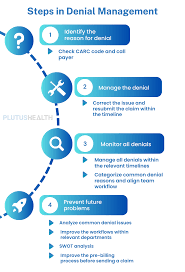
The Claims Denial Management Process
A structured claims denial management process ensures that every denied claim is handled efficiently and accurately.
Denial Identification
The first step is identifying denied claims quickly through regular monitoring of insurance remittance advice and denial reports.
Early identification ensures timely action before appeal deadlines expire.
Root Cause Analysis
Each denial is analyzed to determine the exact reason behind it. This helps identify patterns such as coding errors eligibility issues or documentation gaps.
Understanding root causes is essential for preventing future denials.
Claim Correction
Once the issue is identified billing specialists correct errors such as:
-
Updating patient insurance information
-
Fixing coding or modifier errors
-
Adding missing documentation
-
Requesting prior authorization when required
Appeal Submission
If the denial is incorrect or reversible a formal appeal is submitted with supporting documentation and justification.
Follow-Up and Resolution
The final step involves tracking the appeal status communicating with payers and ensuring payment is received once the claim is approved.
A strong claims denial management system ensures no claim is left unresolved.
Benefits of Claims Denial Management
Healthcare providers who implement professional claims denial management strategies experience significant improvements in revenue cycle performance.
Improved Revenue Recovery
Denied claims that are properly appealed can often be recovered increasing overall revenue.
Faster Reimbursements
Efficient correction and resubmission processes reduce payment delays.
Reduced Claim Denials
Identifying recurring issues helps prevent future billing errors.
Better Cash Flow
Consistent claim approvals ensure steady income for healthcare operations.
Increased Efficiency
Staff spend less time fixing errors and more time supporting patients and clinical operations.
Common Types of Claim Denials
Understanding different denial types helps improve resolution strategies.
Administrative Denials
These occur due to incorrect patient data eligibility issues or filing errors.
Coding Denials
Errors in medical coding or modifier usage often lead to claim rejection.
Clinical Denials
Insurance companies may reject claims if medical necessity is not clearly documented.
Authorization Denials
Services requiring prior approval may be denied if authorization is missing.
Effective claims denial management addresses each type with targeted solutions.
Technology in Claims Denial Management
Modern healthcare organizations rely on technology to improve denial tracking and resolution.
Electronic Health Records (EHR) Practice Management Systems (PMS) and denial tracking software help identify patterns automate reporting and improve accuracy.
However technology alone is not enough. Skilled billing professionals are still needed to interpret denial codes prepare appeals and communicate with insurance companies.
A combination of technology and expertise makes claims denial management more effective.
Why Outsourcing Claims Denial Management Matters
Many healthcare providers choose to outsource claims denial management to specialized billing companies.
Outsourcing offers several advantages:
-
Reduced administrative burden
-
Lower operational costs
-
Faster denial resolution
-
Higher appeal success rates
-
Access to experienced billing experts
-
Improved compliance
-
Better reporting and analytics
-
Scalable solutions for growing practices
This allows healthcare providers to focus on patient care while experts handle financial recovery.
Best Practices for Reducing Claim Denials
Preventing denials is more effective than fixing them later. Healthcare providers can reduce denials by:
-
Verifying insurance eligibility before visits
-
Collecting complete patient information
-
Ensuring accurate coding and documentation
-
Obtaining prior authorizations in advance
-
Submitting claims on time
-
Reviewing denial trends regularly
-
Training staff on billing updates
Strong claims denial management practices improve overall revenue cycle performance.
Choosing the Right Denial Management Partner
Selecting the right billing partner is crucial for financial success.
A reliable claims denial management provider should offer:
-
Certified billing and coding specialists
-
Strong experience in denial resolution
-
HIPAA-compliant processes
-
Transparent reporting
-
Specialty-specific expertise
-
Fast turnaround times
-
Proven revenue recovery results
An experienced partner acts as an extension of your healthcare team.
The Future of Claims Denial Management
Healthcare billing continues to evolve with automation artificial intelligence and predictive analytics. These technologies help identify denial risks before claims are submitted.
However human expertise remains essential for complex decision-making appeals and payer communication.
Healthcare organizations that invest in professional claims denial management will be better prepared to reduce revenue loss and improve financial stability in the future.
Conclusion
Claim denials are a common challenge in healthcare but they do not have to result in permanent revenue loss. With structured claims denial management healthcare providers can recover denied payments improve billing accuracy reduce administrative burden and strengthen their revenue cycle.
Whether managing a small clinic or a large healthcare organization effective denial management is essential for financial success. By implementing strong processes and partnering with experienced professionals providers can ensure consistent cash flow improved reimbursement rates and a more efficient healthcare practice focused on delivering quality patient care.

 English
 French
 Spanish
 Portuguese
 Deutsch
 Turkish
 Dutch
Dutch
 Italiano
 Russian
 Romaian
 Portuguese (Brazil)
 Greek
Greek