


Quick Summary
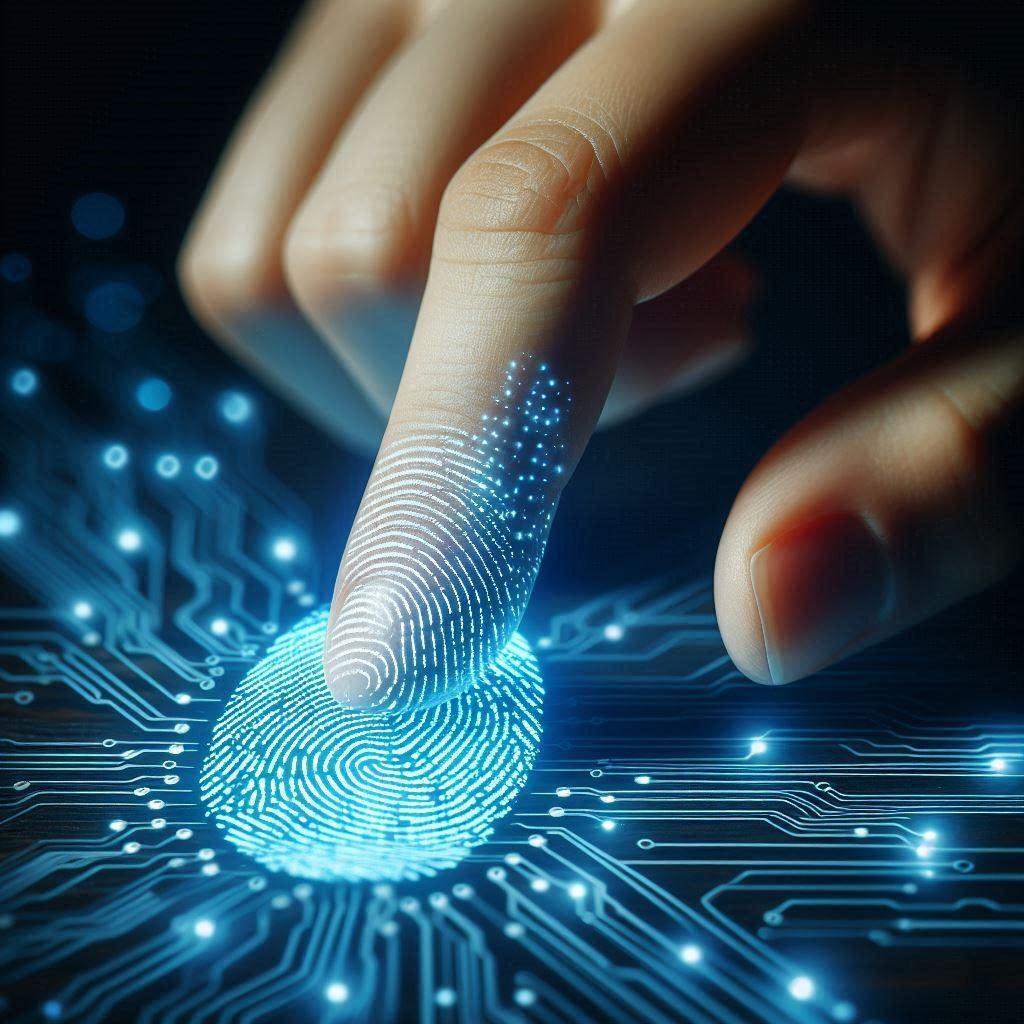
Modern verification processes require speed, accuracy, and security. Digital fingerprinting has transformed the way identity verification is completed for immigration, employment, and professional licensing. Instead of relying on traditional ink methods, electronic fingerprint capture allows biometric data to be securely collected, transmitted, and processed with fewer errors and faster turnaround times. This article explains how digital fingerprinting improves application efficiency, reduces delays, strengthens identity verification, and supports a more secure application process across multiple industries.
Introduction
Applying for immigration, securing a new job, or obtaining a professional license often requires identity verification and criminal record screening. These important processes depend on accurate biometric information to confirm an applicant's identity while protecting organizations and government agencies from identity fraud.
Digital fingerprinting has become the preferred method because it combines advanced biometric technology with secure electronic transmission. Compared with traditional ink fingerprints, digital systems produce clearer fingerprint images, reduce manual handling, and help agencies process applications more efficiently. As governments and employers continue to modernize their background screening procedures, electronic fingerprinting plays an increasingly valuable role in improving both speed and accuracy.
How Digital Fingerprinting Improves Application Processing
Unlike traditional ink fingerprinting, electronic fingerprint systems capture fingerprint images using specialized biometric scanners. These high-resolution images are immediately reviewed for quality before they are securely transmitted to authorized processing agencies.
Digital fingerprinting minimizes many of the common issues associated with paper fingerprint cards, including smudging, incomplete prints, and manual data entry errors. Since fingerprint quality can be verified instantly during the appointment, applicants are less likely to experience delays caused by rejected fingerprint submissions.
Electronic submission also eliminates mailing time, allowing fingerprint records to reach the appropriate verification authority much faster.
Faster Immigration Application Processing
Immigration applications frequently require applicants to complete biometric verification before their files move to the next stage of assessment. Identity verification helps immigration authorities confirm that applicants are accurately identified while maintaining the integrity of national immigration systems.
Using Digital fingerprinting allows biometric information to be captured electronically and securely submitted for processing. Faster transmission means immigration authorities can begin background verification sooner than with traditional paper-based methods.
Electronic fingerprint systems also reduce administrative workload because digital records are easier to organize, retrieve, and manage throughout the application lifecycle.
For applicants, this often translates into fewer processing interruptions, reduced paperwork, and a smoother verification experience.
Employment Background Checks Become More Efficient
Many employers conduct criminal background checks before hiring individuals for positions involving financial responsibility, public safety, healthcare, education, transportation, or vulnerable populations.
Background screening depends on accurate identity verification. Poor-quality fingerprints can delay hiring decisions if applicants must return for another fingerprint appointment.
With digital biometric technology, fingerprint quality is verified immediately during the appointment, helping avoid unnecessary resubmissions.
Employers benefit because Digital fingerprinting supports quicker background verification while reducing administrative delays. Faster screening allows organizations to complete hiring decisions more efficiently without compromising security standards.
Applicants also appreciate shorter waiting periods before beginning employment.
How Digital Fingerprinting Supports Professional Licensing
Professional licensing organizations often require criminal record verification before issuing licenses in regulated professions.
Healthcare professionals, financial advisors, legal professionals, childcare workers, real estate agents, security personnel, and many other regulated occupations may need fingerprint-based background screening as part of their licensing requirements.
Digital fingerprinting helps licensing authorities receive high-quality biometric data with fewer processing errors. Electronic submissions simplify identity verification while reducing the likelihood of rejected fingerprint records.
As licensing agencies continue adopting secure digital workflows, electronic fingerprint technology contributes to faster application reviews and improved administrative efficiency.
Greater Accuracy Through Modern Biometric Technology
One of the greatest advantages of electronic fingerprint systems is improved image quality.
Traditional ink fingerprints depend heavily on manual technique, paper quality, ink consistency, and handling. Even experienced technicians occasionally encounter fingerprint cards that require resubmission due to poor print quality.
Digital scanners automatically capture detailed fingerprint images while allowing technicians to review quality immediately. If necessary, fingerprints can be recaptured before the appointment concludes.
This higher level of quality control helps reduce processing delays while improving overall application accuracy.
Enhanced Security and Identity Protection
Identity fraud remains an ongoing concern for governments, employers, financial institutions, and licensing bodies.
Modern biometric verification provides an additional layer of protection because fingerprints are unique to every individual. Secure electronic systems use encrypted transmission methods that help protect fingerprint information during processing.
Digital fingerprinting strengthens identity verification by reducing opportunities for document manipulation while supporting reliable background screening procedures.
Organizations also benefit from standardized digital records that are easier to manage within secure information systems.
Reduced Administrative Burden
Electronic workflows benefit both applicants and processing agencies.
Traditional fingerprint cards require physical storage, manual handling, transportation, and additional administrative review. These steps increase processing time while creating more opportunities for delays.
By comparison, digital systems automate much of the submission process. Fingerprint files can be securely transmitted within minutes after collection, reducing paperwork and simplifying record management.
This operational efficiency allows agencies to dedicate more resources toward application review rather than document handling.
Better Applicant Experience
Applicants increasingly expect government and professional services to provide efficient digital experiences.
Electronic fingerprint appointments are generally quicker, cleaner, and more convenient than traditional ink fingerprinting. Since technicians can verify fingerprint quality immediately, applicants gain greater confidence that their submission meets processing requirements.
Digital fingerprinting also reduces uncertainty by minimizing the likelihood of rejected fingerprint records caused by poor image quality.
For many applicants, this translates into fewer appointments, less waiting, and greater peace of mind throughout the verification process.
The Growing Future of Biometric Verification
Governments and organizations around the world continue investing in secure biometric technologies to improve public services.
As digital transformation expands across immigration, employment, licensing, border security, and identity verification systems, electronic fingerprint technology will remain an essential component of secure background screening.
Future innovations may further improve automation, encryption, biometric accuracy, and secure identity management while maintaining strict privacy protections.
Organizations adopting modern biometric solutions are better positioned to process applications efficiently while protecting sensitive personal information.
Conclusion
The increasing demand for secure identity verification has made electronic biometric technology an essential part of modern application processing. Digital fingerprinting delivers significant advantages by improving accuracy, reducing manual errors, accelerating background verification, and supporting secure electronic data transmission.
Whether applicants are pursuing immigration opportunities, starting new careers, or obtaining professional licenses, electronic fingerprint systems help create a faster and more reliable verification process. As technology continues to evolve, digital fingerprinting will remain one of the most valuable tools for balancing efficiency, security, and public trust in identity verification systems.

 English
 Arabic
 French
 Spanish
 Portuguese
 Turkish
 Dutch
Dutch
 Italiano
 Russian
 Romaian
 Portuguese (Brazil)
 Greek
Greek