


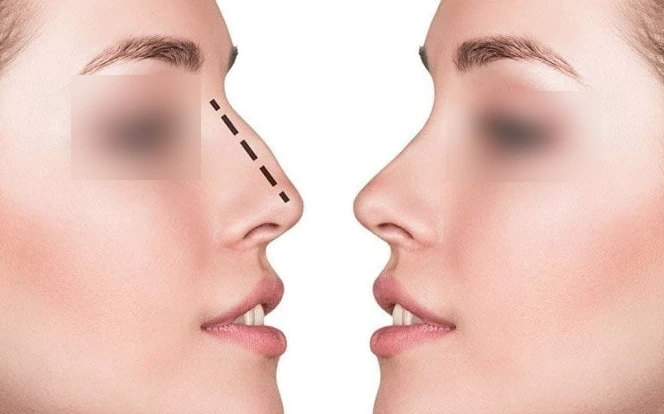
Good sleep depends heavily on the ability to breathe comfortably through the nose. When nasal airflow is restricted, especially due to a deviated nasal septum, nighttime breathing can become difficult. This often leads to mouth breathing, snoring, restless sleep, and frequent awakenings. For individuals facing these issues, Septoplasty in Islamabad may offer a long-term solution by correcting the internal structure of the nose and improving airflow.
Septoplasty is a surgical procedure that straightens the nasal septum, the partition that separates the two nasal passages. While its main goal is to improve nasal function, many patients notice a significant improvement in nighttime breathing after recovery.
This article explains how septoplasty affects breathing during sleep, what improvements patients can expect, and when it is most effective.
Why Nighttime Breathing Becomes Difficult
During sleep, the body naturally relaxes, including the muscles of the throat and nasal passages. If the nasal airway is already narrowed, this relaxation can make breathing even more difficult.
Common causes of nighttime breathing issues include:
- Deviated nasal septum
- Chronic nasal congestion
- Allergies
- Enlarged turbinates
- Sinus inflammation
A blocked nose forces the body to rely on mouth breathing, which can disturb normal sleep patterns.
What Is a Deviated Nasal Septum?
The nasal septum is the wall made of cartilage and bone that divides the nose into two passages. Ideally, it sits in the center, allowing equal airflow.
A deviated septum occurs when this wall shifts to one side, narrowing one or both nasal passages.
This condition may cause:
- Persistent nasal blockage
- Difficulty breathing through the nose
- Snoring
- Mouth breathing
- Sleep disturbances
When symptoms are severe, they can significantly affect nighttime comfort.
How Septoplasty Works
Septoplasty in Islamabad is performed to correct the deviated septum and improve airflow.
During the procedure, the surgeon:
- Accesses the septum through the nostrils
- Straightens or reshapes the deviated cartilage and bone
- Removes obstructive portions if needed
- Restores a clearer airway
The surgery focuses on function, not external appearance.
Can Septoplasty Improve Nighttime Breathing?
Yes, septoplasty can significantly improve nighttime breathing when nasal obstruction is caused by a deviated septum.
After recovery, many patients experience:
- Easier nasal breathing during sleep
- Reduced nasal blockage at night
- Less mouth breathing
- More comfortable airflow while lying down
This improvement helps the body maintain more natural breathing patterns throughout the night.
Better Oxygen Flow During Sleep
While septoplasty does not increase oxygen production, it improves how easily air moves through the nasal passages.
Better airflow can result in:
- More stable breathing patterns
- Reduced effort during inhalation
- Less interruption in airflow
This often contributes to more restful sleep and reduced nighttime discomfort.
Reduced Mouth Breathing at Night
Mouth breathing is one of the most common problems caused by nasal obstruction.
It may lead to:
- Dry mouth
- Sore throat in the morning
- Increased snoring
- Poor sleep quality
After Septoplasty in Islamabad, improved nasal airflow helps many patients breathe through the nose more naturally during sleep.
Impact on Snoring
Snoring is often linked to restricted airflow in the nasal passages or throat.
When the nose is blocked, air moves through the mouth and throat more forcefully, causing vibration and sound.
Septoplasty may help reduce snoring by:
- Opening blocked nasal passages
- Improving airflow resistance
- Supporting smoother breathing
However, snoring caused by throat-related issues may not fully resolve with septoplasty alone.
Improved Sleep Quality
Better nasal breathing often leads to more restful sleep.
Patients may notice:
- Fewer nighttime awakenings
- Deeper sleep cycles
- Less restlessness
- Feeling more refreshed in the morning
Improved sleep quality can positively affect energy levels, mood, and concentration.
Reduced Nighttime Congestion
People with a deviated septum often feel their nose becomes more blocked when lying down.
After surgery, patients may experience:
- Less nasal congestion at night
- More consistent airflow
- Reduced feeling of pressure in the nose
This helps maintain comfort throughout the night.
Who Benefits Most from Septoplasty?
Septoplasty in Islamabad is most effective for individuals whose nighttime breathing problems are caused by structural nasal obstruction.
You may benefit if you experience:
- Chronic nasal blockage
- Snoring due to nasal obstruction
- Mouth breathing during sleep
- Poor response to allergy or congestion medications
- Sleep disturbances linked to nasal difficulty
An ENT specialist can confirm whether a deviated septum is the primary cause.
Recovery and Nighttime Breathing Improvement
Breathing improvements after septoplasty occur gradually.
First Week
- Swelling and congestion
- Temporary breathing difficulty
- Mild discomfort during sleep
Two to Four Weeks
- Gradual reduction in swelling
- Improved nasal airflow
- Easier breathing at night
Full Recovery
- Stable and long-term improvement
- Comfortable nighttime nasal breathing
- Reduced sleep-related symptoms
When Septoplasty May Not Fully Help
Although septoplasty improves nasal airflow, it may not solve all sleep-related breathing issues.
Other factors affecting nighttime breathing include:
- Sleep apnea
- Enlarged tonsils
- Obesity
- Throat structure issues
If symptoms persist after surgery, further evaluation may be needed.
Supporting Better Sleep After Surgery
To maintain good nighttime breathing, patients are advised to:
- Keep the nose hydrated with saline sprays if recommended
- Avoid smoking
- Manage allergies effectively
- Sleep with the head slightly elevated during early recovery
- Follow post-operative care instructions
These habits help support healing and long-term results.
Final Thoughts
For individuals with a deviated nasal septum, Septoplasty in Islamabad can significantly improve nighttime breathing by restoring proper nasal airflow. This often leads to reduced mouth breathing, less snoring, and more restful sleep.
While it may not resolve all sleep disorders, septoplasty effectively addresses structural nasal blockage, which is a major cause of nighttime breathing difficulties. For many patients, the result is more comfortable sleep, improved energy levels, and better overall well-being. Consulting an ENT specialist is the best way to determine whether this procedure can help improve your nighttime breathing and sleep quality.
For more information visit Enfield royal clinic in islamabad

 English
 French
 Spanish
 Portuguese
 Deutsch
 Turkish
 Dutch
Dutch
 Italiano
 Russian
 Romaian
 Portuguese (Brazil)
 Greek
Greek