


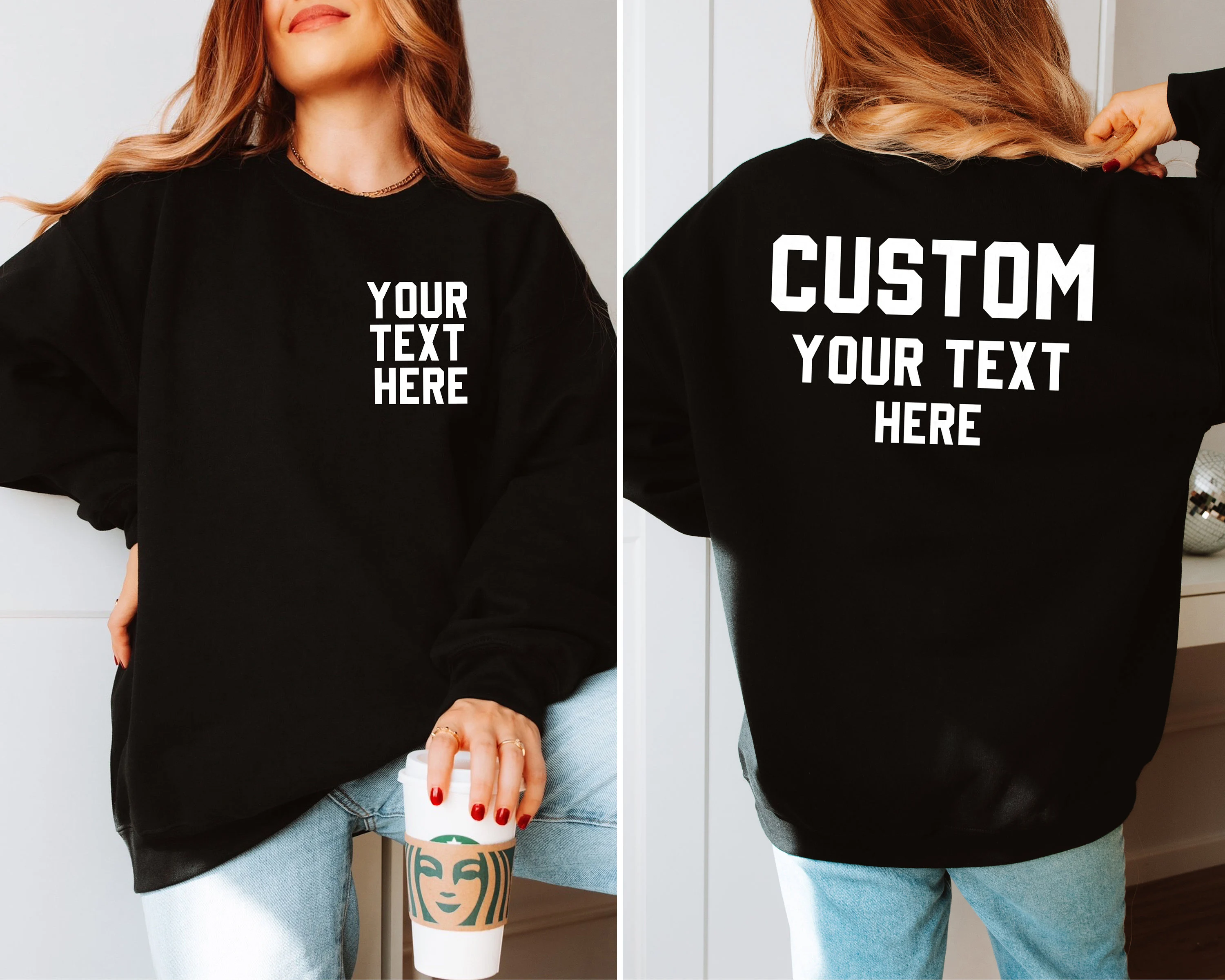
Plenty of custom sweatshirts end up at the back of a wardrobe, never worn past the first week. The difference between a sweatshirt that gets worn on repeat and one that gathers dust usually comes down to a handful of design decisions made before the order is even placed. This guide walks through what actually makes a custom sweatshirt wearable long after the novelty of a new uniform or merch drop wears off.
Start With Comfort, Not Just Branding
It's easy to design a sweatshirt around a logo first and the garment second. But comfort is what determines whether someone reaches for it on a cold morning or leaves it in the drawer. Fabric weight, fit, and fabric blend all play a bigger role in long-term wearability than most people expect.
A midweight cotton-polyester blend tends to strike the right balance for everyday wear — warm enough for most Australian winter days without feeling stiff or overly bulky. Sweatshirts that are too heavy or too rigid often get reserved for "special occasions" rather than daily rotation, which defeats the purpose of a uniform or merchandise item meant to build regular brand visibility.
Choose a Fit People Actually Want to Wear
Fit is one of the most overlooked factors in custom apparel design. A boxy, ill-fitting sweatshirt even with a great design is far less likely to be worn casually outside of work or an event. Unisex fits remain the safest choice for team uniforms, but it's worth considering modern, slightly slimmer cuts over old-style boxy fits, which can feel dated.
Oversized, relaxed fits have also become a popular option, particularly for retail and lifestyle merchandise. When done intentionally, an oversized fit can make a sweatshirt feel like a genuine fashion piece rather than a uniform item, increasing the chances it gets worn well beyond the workplace or event it was made for.
Keep the Design Simple and Confident
Sweatshirts with cluttered, busy designs rarely become someone's go-to piece of clothing. The most-worn custom sweatshirts tend to feature a single, well-placed design element a chest logo, a small wordmark, or a simple graphic rather than covering the entire garment in text and imagery.
Restraint often reads as more premium than a maximalist approach. A clean, left-chest embroidered logo or a subtle centred print gives a sweatshirt versatility, making it easy to wear in casual settings, not just on shift or at an event.
Consider Where and When It Will Be Worn
Before finalising a design, it's worth thinking through the sweatshirt's real-world context. A sweatshirt designed purely as internal workwear will differ from one intended to double as retail merchandise or something staff might genuinely wear on weekends.
If the goal is for a sweatshirt to be worn beyond the workplace, the design needs to hold up outside a branded context meaning oversized company slogans or corporate-heavy messaging should generally be avoided in favour of subtler branding that feels more like a lifestyle item than a uniform.
Colour Choices Matter More Than They Seem
Bold brand colours might feel like the obvious choice, but they don't always translate to a sweatshirt someone wants to wear regularly outside of work. Neutral base colours black, charcoal, navy, and heather grey tend to have far greater everyday wearability, with brand colours reserved for the embroidered or printed design itself rather than the entire garment.
This approach also extends the life of a sweatshirt across seasons and settings, rather than limiting it to obvious uniform contexts where a bright, brand-heavy colourway might otherwise stand out.
Decoration Method Affects Longevity and Feel
How a design is applied changes how a sweatshirt feels and how long it looks good. Embroidery adds a textured, premium finish that tends to read as higher quality than flat printing, which can influence whether someone associates the garment with a cheap giveaway or a genuine piece of clothing worth keeping.
For designs with fine detail or multiple colours, DTG or DTF printing can achieve results that embroidery can't easily replicate, but it's worth weighing that against the slightly more premium feel embroidery brings to simpler logos and wordmarks.
Placement Matters As Much As the Design Itself
A small, well-placed left-chest logo consistently outperforms a large, centred graphic in terms of everyday wearability. Oversized front prints can feel more like a uniform or promotional item, while smaller, considered placements feel closer to normal clothing.
For brands wanting more visual presence, a small sleeve or back-of-neck detail alongside a subtle front logo can add character without tipping the design into "walking billboard" territory.
Test Before Committing to a Bulk Order
Before finalising a design across an entire uniform range or merchandise run, it's worth producing a small sample batch first. Seeing how a design translates onto the actual fabric rather than just a digital mockup often reveals adjustments worth making to colour contrast, placement, or sizing before a larger order is locked in.
Frequently Asked Questions
What makes a custom sweatshirt more likely to be worn outside of work?
Simple, subtle branding, a comfortable fit, and neutral colours all increase the chances a sweatshirt gets worn casually beyond its original purpose.
Is embroidery or printing better for everyday wearability?
Embroidery tends to give a more premium, durable finish for simple logos, while printing methods suit more detailed or multi-colour designs.
Should I choose a slim or oversized fit for custom sweatshirts?
Both can work well depending on the intended audience slim, modern fits suit workwear and uniforms, while oversized fits suit retail and lifestyle merchandise.
Does colour choice really affect how often a sweatshirt gets worn?
Yes. Neutral base colours generally have broader everyday appeal than bold, brand-heavy colourways.
Should I order a sample before a bulk sweatshirt order?
Yes, testing a small batch first helps confirm design placement, colour contrast, and fit before committing to a larger order.

 Arabic
 French
 Spanish
 Portuguese
 Deutsch
 Turkish
 Dutch
Dutch
 Italiano
 Russian
 Romaian
 Portuguese (Brazil)
 Greek
Greek