


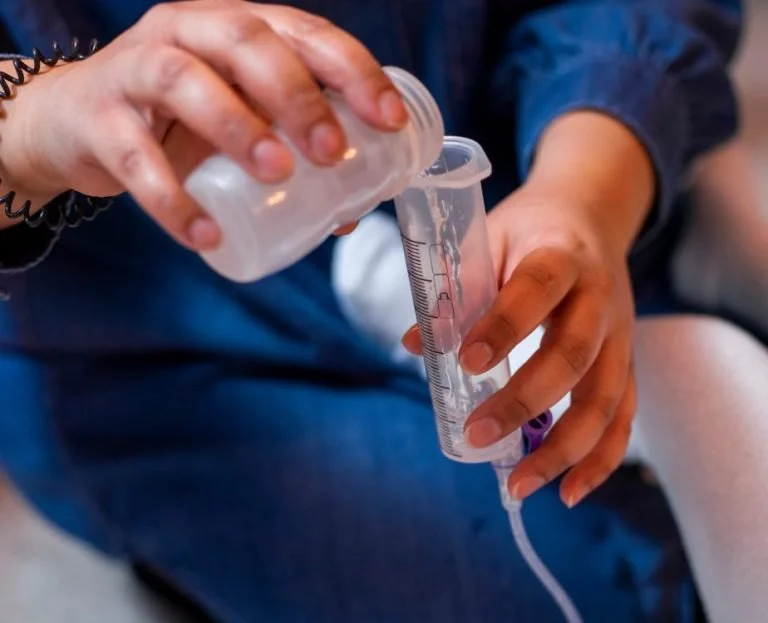
Providing proper nutritional support is essential for individuals who cannot eat or swallow safely due to illness, injury, or medical conditions. Tube feeding at home in Dubai allows patients to receive the nutrition they need while recovering comfortably in their own homes instead of staying in the hospital for extended periods. With the guidance of experienced healthcare professionals and a Doctor at Home, families can confidently manage daily feeding routines while ensuring patient safety and comfort. A structured approach to tube feeding helps reduce complications, supports recovery, and improves the overall quality of life for both patients and caregivers.
Understand the Patient's Feeding Plan:
The first step in safe tube feeding at home is understanding the personalized feeding plan created by healthcare professionals. Every patient has unique nutritional needs based on age, medical condition, weight, digestive function, and recovery goals. The feeding plan outlines the type of feeding tube, recommended nutritional formula, feeding schedule, feeding rate, hydration requirements, and medication instructions. Following these recommendations consistently helps ensure the patient receives balanced nutrition while minimizing the risk of digestive problems and other complications.
Gather All Necessary Supplies:
Before beginning each feeding session, prepare all required equipment in a clean and organized area to maintain safety and efficiency. Essential supplies include:
- Prescribed liquid nutritional formula.
- Feeding syringe or feeding pump.
- Clean feeding tube accessories.
- Measuring cup if required.
- Clean water for flushing the tube.
- Disposable gloves when recommended.
- Clean towels or tissues for hygiene.
- Medication supplies if medications are scheduled with feeding.
Having all equipment ready before starting reduces interruptions and supports a smooth feeding process.
Wash Hands and Maintain Hygiene:
Proper hygiene is one of the most important factors in preventing infection during tube feeding. Caregivers should thoroughly wash their hands with soap and water before touching the feeding tube, nutritional formula, or equipment. Feeding supplies should be cleaned according to healthcare instructions after every use, while nutritional formulas should be stored safely and used before their expiration dates. The tube insertion site should also be cleaned regularly and checked for redness, swelling, drainage, or other signs of irritation that may require medical attention.
Position the Patient Correctly:
Correct positioning helps improve feeding tolerance and reduces the risk of aspiration. Patients should remain in an upright position, with the head elevated at approximately 30 to 45 degrees before, during, and for at least 30 to 60 minutes after feeding. Maintaining this position allows the nutritional formula to move safely through the digestive system while lowering the chance of reflux or choking. Proper positioning also contributes to greater comfort throughout the feeding session.
Check the Feeding Tube Before Use:
Before every feeding, inspect the feeding tube to ensure it remains secure and functions properly. Caregivers should examine the tube for signs of damage, leakage, or blockage while confirming that external markings remain in the correct position if instructed by healthcare professionals. The insertion site should appear clean and healthy without excessive redness or swelling. Performing these simple checks before each feeding helps identify potential issues early and prevents unnecessary complications.
Flush the Feeding Tube Properly:
Flushing the feeding tube with clean water before and after each feeding is essential for maintaining tube function. Proper flushing helps remove residual formula, prevents clogging, and supports safe medication administration when prescribed. Important flushing practices include:
- Use the amount of water recommended by healthcare professionals.
- Flush before each feeding begins.
- Flush immediately after completing feeding.
- Flush before and after administering medications.
- Never force water through a blocked tube.
- Report persistent blockages to a healthcare provider.
Consistent flushing helps extend the life of the feeding tube and promotes uninterrupted nutritional support.
Administer the Feeding Slowly:
Feeding should always be administered at the prescribed rate to allow the digestive system sufficient time to process nutrients comfortably. Depending on the patient's care plan, feeding may be delivered using gravity, a syringe, or an electronic feeding pump. Delivering the formula too quickly may result in nausea, vomiting, abdominal discomfort, bloating, or diarrhea. Carefully following the recommended feeding schedule and rate helps improve digestion, nutrient absorption, and patient comfort.
Monitor the Patient During and After Feeding:
Continuous observation during and after tube feeding allows caregivers to recognize any signs of discomfort or complications early. Patients should be monitored for:
- Nausea or vomiting.
- Coughing during feeding.
- Abdominal bloating or discomfort.
- Diarrhea or constipation.
- Leakage around the feeding tube.
- Skin irritation near the insertion site.
- Fever or possible signs of infection.
Reporting unusual symptoms promptly allows healthcare professionals to evaluate the situation and make necessary adjustments to the feeding plan.
Keep Accurate Feeding Records:
Maintaining detailed records helps healthcare providers monitor the patient's nutritional progress and make informed treatment decisions. Caregivers should record feeding times, formula amounts, water flushes, medication administration, body weight when instructed, and any unusual symptoms or concerns. Accurate documentation supports effective communication with healthcare professionals and helps identify trends that may require adjustments to nutritional management or medical care.
Final Thoughts
Safe tube feeding at home requires careful preparation, proper hygiene, accurate feeding techniques, and ongoing monitoring to ensure successful nutritional support. By following individualized feeding plans, maintaining clean equipment, positioning patients correctly, and recognizing potential complications early, caregivers can provide safe and effective daily care with confidence. Professional guidance from healthcare providers remains an essential part of long-term tube feeding, helping patients receive the nutrition they need while recovering comfortably and maintaining a better quality of life at home.

 English
 French
 Spanish
 Portuguese
 Deutsch
 Turkish
 Dutch
Dutch
 Italiano
 Russian
 Romaian
 Portuguese (Brazil)
 Greek
Greek